Follicular unit extraction (FUE) hair transplantation has become one of the most popular solutions for hair restoration. Hair loss, whether due to genetics, aging, or medical conditions, can affect self-esteem and overall well-being. FUE offers a minimally invasive, natural-looking solution, helping people regain their hair and confidence.
But what exactly is a hair transplant FUE? How does it work and what can patients expect from the procedure?
What is an FUE hair transplant?
FUE is a hair restoration technique in which individual hair follicles are extracted from a donor area (usually the back of the scalp) and transplanted to areas with hair loss. Unlike traditional methods that require removing a strip of skin from the scalp, FUE is minimally invasive and leaves no visible scarring.
How does FUE work?
- Preparation of the donor area: The extraction zone is shaved and prepared.
- Extraction of hair follicles: Precision micro-tools are used to extract individual follicular units (each containing 1-4 hairs).
- Preparation of the grafts: The extracted follicles are sorted and prepared for transplantation.
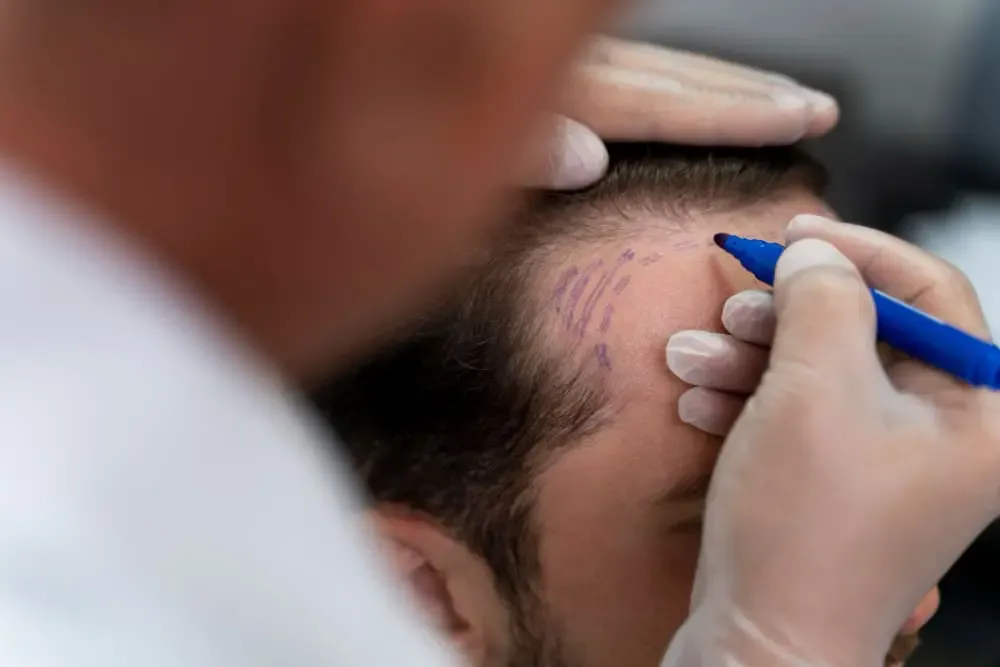
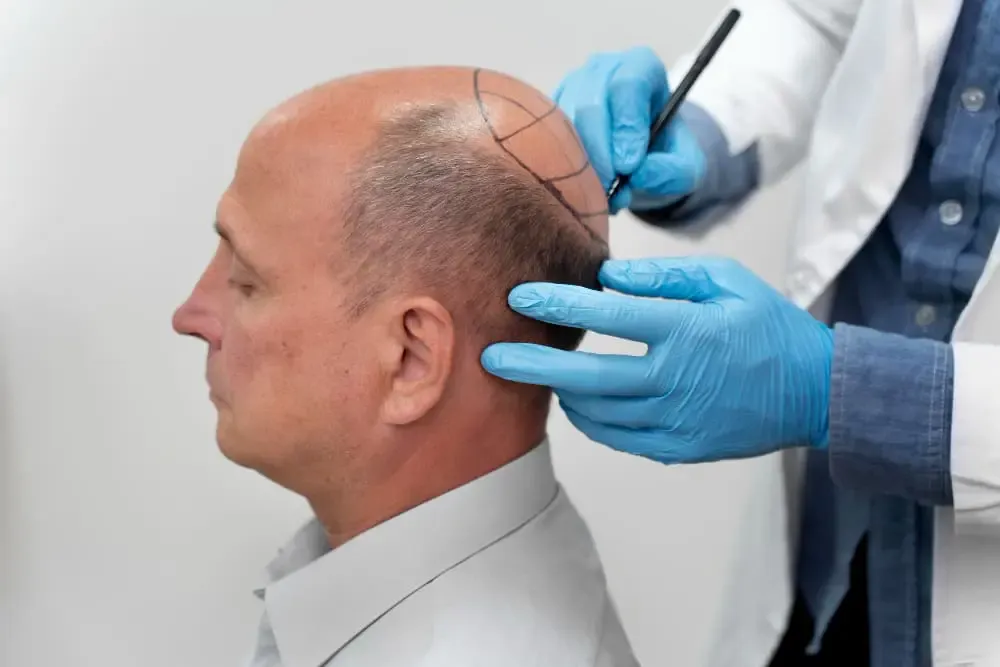
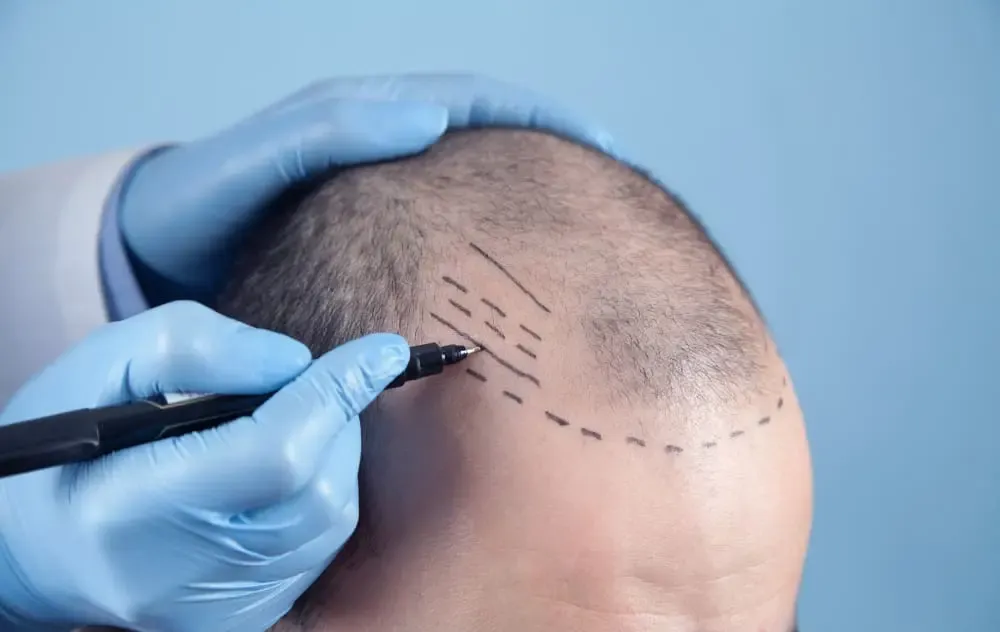
- Creation of recipient sites: Small incisions are made in the areas where hair will be restored.
- Implantation of the grafts: The prepared follicles are carefully placed into the incisions to achieve natural-looking hair growth.
FUE vs. FUT: What is the difference?
The FUE method differs from follicular unit transplantation (FUT), which involves removing a strip of scalp to obtain the grafts. The main differences include:
- Scarring: The FUE technique leaves tiny, nearly invisible scars, whereas FUT leaves a linear scar.
- Recovery time: FUE has a faster recovery with less discomfort.
- Natural results: Both methods offer natural-looking results, but FUE allows for more precise graft placement.
Benefits of FUE hair transplantation
- Minimally invasive procedure with no need for sutures or large incisions.
- Faster recovery compared to traditional hair transplant methods.
- No linear scarring, ideal for people who prefer short hairstyles.
- Permanent, natural-looking results, with growth that matches the original hair.
- Suitable for different hair types and effective for both men and women with hair loss.
Who is a good candidate for FUE?
Ideal candidates for an FUE hair transplant typically meet the following criteria:
- Moderate to severe hair loss, but with a sufficient donor area.
- Preference for a less invasive procedure with minimal downtime.
- Realistic expectations regarding the growth and density of the transplanted hair.
- Good general health and no conditions that may affect healing.
What to expect during and after the procedure?
During the procedure:
- It is performed under local anesthesia to ensure a pain-free experience.
- The duration varies depending on the number of grafts, but it typically lasts between 4 and 8 hours.
- Patients can listen to music or watch television while the transplant is being performed.
Recovery timeline:
- First days:Mild redness, swelling, and small scabs on the transplanted follicles.
- 1-2 weeks:Most scabs fall off and normal activities can be resumed.
- 2-3 months:Shedding of the transplanted hair is normal (shock loss phase).
- 4-6 months:New hair growth begins and density improves.
- 12-18 months:Final results are visible, with thicker and more natural-looking hair.
Post-operative care
- Avoid intense physical activities and direct sun exposure for at least two weeks.
- Follow the recommended hair washing protocol to ensure graft survival.
- Do not scratch or rub the transplanted area.
- Sleep with your head elevated to reduce swelling.
Is the FUE hair transplant permanent?
Yes! The transplanted follicles are resistant to hair loss and will continue to grow naturally. However, non-transplanted hair may continue to thin over time. To maintain optimal results, some patients opt for complementary treatments such as PRP therapy or medications like finasteride and minoxidil.
Why consider medical tourism for a FUE hair transplant?
Many patients choose to have hair transplantsFUE abroad due to more accessible prices, experienced surgeons, and top-tier clinics. Countries such as Turkey, Mexico, and Colombia have become leading destinations in medical tourism, offering high-quality care at competitive prices.
Advantages of medical tourism for hair transplants
- Significant savings compared to costs in the U.S. and Europe.
- Highly trained surgeons specialized in hair restoration.
- State-of-the-art clinics with the latest generation technology.
- Comprehensive treatment packages that include accommodation and post-operative follow-up.
The FUE hair transplant is a safe, effective, and minimally invasive solution for hair loss. With natural results, a short recovery time, and permanent hair growth, it is an excellent option for those who wish to regain their confidence. Whether you are considering a local treatment or traveling abroad for the procedure, understanding how FUE works and its benefits will help you make an informed decision.