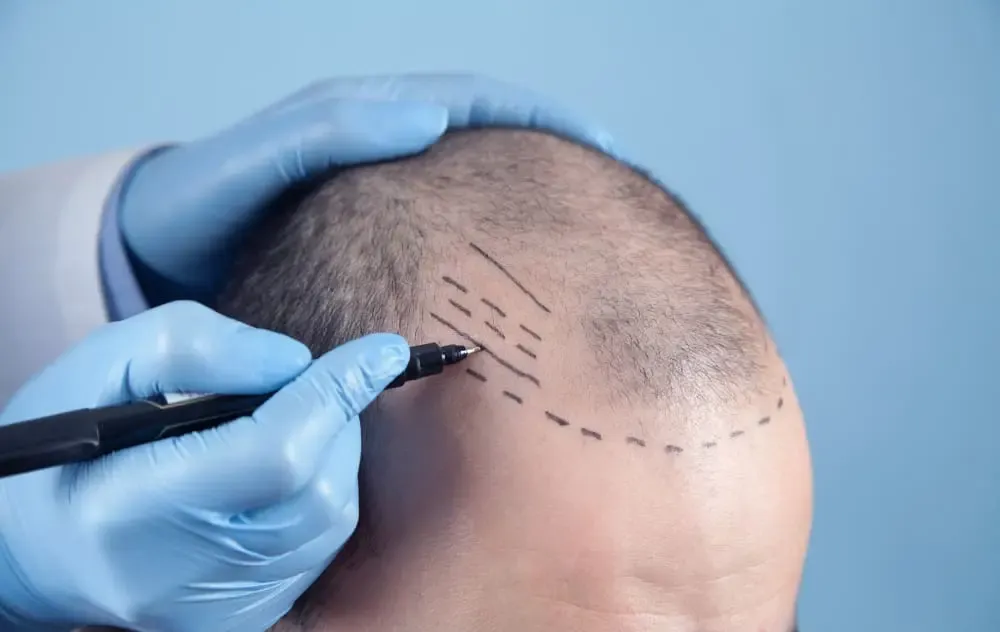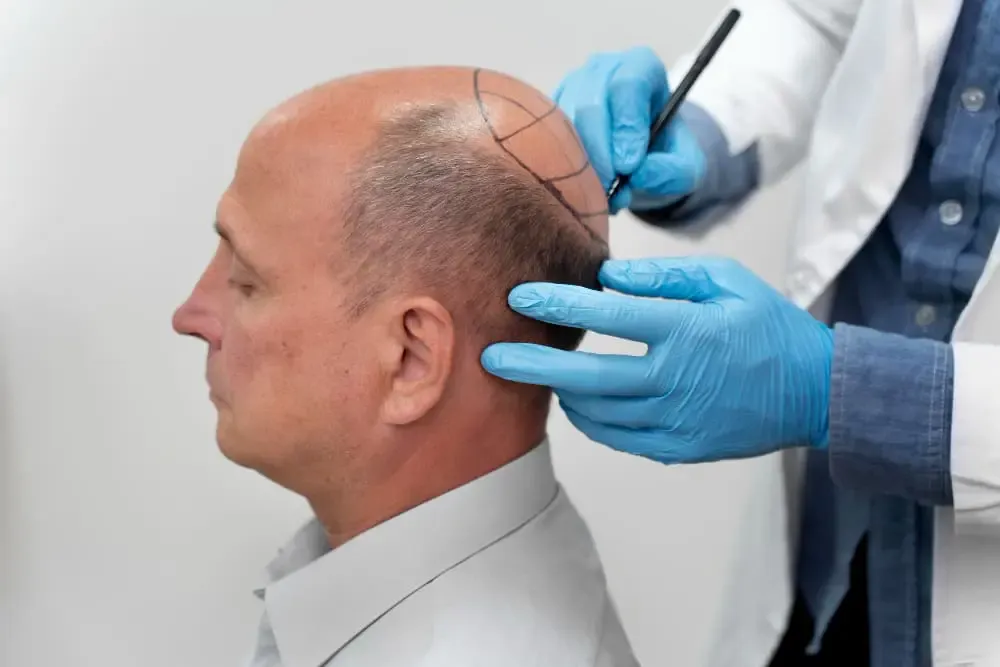
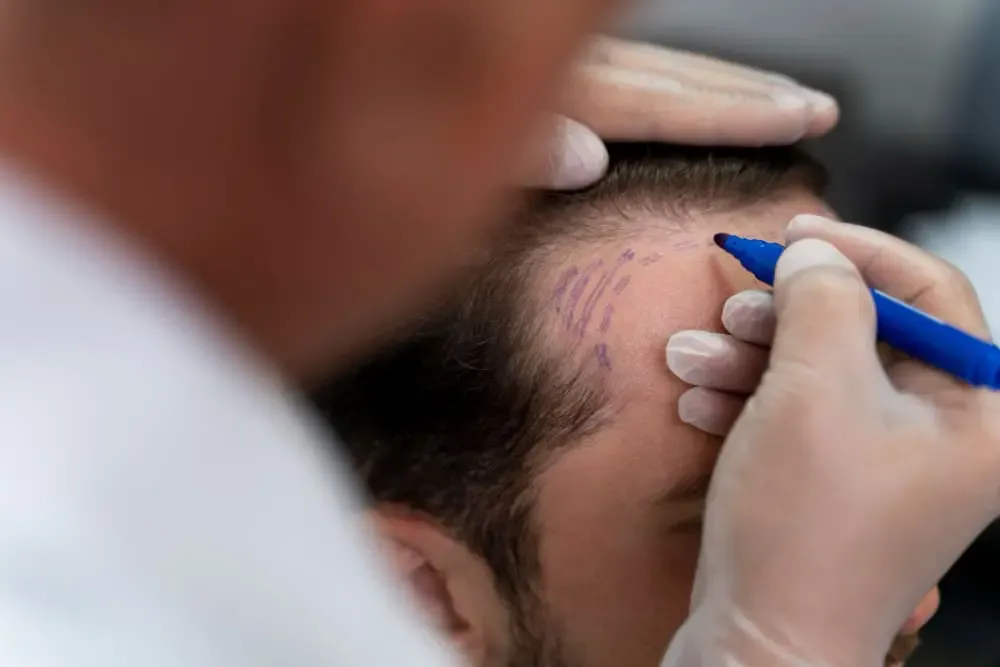
Hair loss can significantly affect self-esteem and quality of life. Fortunately, advances in medical technology have enabled the development of various techniques for hair transplantation designed to restore hair density and appearance. Understanding the different options available is essential for those considering this procedure. In this article, we explore the main types of hair transplants, their benefits, factors to consider, and how to choose the most suitable method for each person.
What is a hair transplant?
A hair transplant is a procedure in which hair follicles are extracted from a donor area - typically the back or sides of the scalp - and implanted into areas experiencing hair loss. This process aims to achieve a natural-looking hair restoration using the patient's own hair.
Types of hair transplant procedures
1. Follicular Unit Transplantation (FUT)
FUT, also known as the strip method, involves removing a strip of scalp from the donor area. This strip is then divided into individual follicular units under a microscope before being transplanted into the recipient area.
Advantages:
- Higher number of grafts: Allows a large number of follicular units to be transplanted in a single session.
- More accessible cost: It is generally more affordable compared to other methods due to its efficiency.
Considerations:
- Linear scar: It leaves a scar in the donor area that may be visible with very short haircuts.
- Longer recovery time: Recovery may take longer compared to less invasive techniques.
2. Follicular Unit Extraction (FUE)
FUE involves individually extracting hair follicles directly from the donor area using a specialized tool and transplanting them into the affected areas.
Advantages:
- Minimally invasive: It does not leave a linear scar, only small punctual marks that are almost imperceptible.
- Quick recovery: Generally, the healing process is shorter and less uncomfortable.
Considerations:
- Longer procedure: Extracting follicles one by one means the session takes more time.
- Higher cost: It may be more expensive due to the precision and time required.
3. Direct Hair Implantation (DHI)
DHI is a variant of FUE in which the extracted follicles are immediately implanted into the recipient area using a special device known as the Choi pen.
Advantages:
- Greater precision: It allows more detailed control of the depth, direction, and angle of the implant.
- Less follicle handling: It reduces the time follicles spend outside the body, which can improve their survival rate.
Considerations:
- Requires specialized training: Not all clinics offer DHI due to the need for specialized equipment and expertise.
- Higher cost: It may be more expensive than traditional FUE due to the advanced technique used.
4. Robotic Hair Transplant
This method uses robotic systems to assist in the extraction and implantation of follicles, which improves the precision and consistency of the procedure.
Advantages:
- High precision: Robotic assistance optimizes the accuracy of follicle extraction and implantation.
- Efficiency: It can reduce procedure time and allow more grafts to be implanted in a single session.
Considerations:
- Limited availability: Not all clinics have robotic technology for hair transplants.
- High cost: The advanced technology used can significantly increase the price of the procedure.
How to choose the best hair transplant method?
The choice of the most suitable procedure depends on several factors:
- Degree of hair loss: The amount of hair lost can influence the choice between FUT and FUE.
- Scalp elasticity: FUT requires a certain degree of laxity in the scalp for strip extraction.
- Lifestyle and preferences: Considerations such as the desired hairstyle, tolerance for scarring, and recovery time can influence the decision.
- Budget: There are cost differences between procedures that may affect the choice.
Consulting with a hair restoration specialist is essential to evaluate each case individually and determine the most appropriate approach.
Understanding the different types of hair transplants allows patients to make informed decisions about their treatment. Each technique offers benefits and aspects to consider, which is why it is essential to receive guidance from experienced professionals. By carefully evaluating the options and consulting with experts, it is possible to achieve natural and satisfying results in hair restoration.