Hair loss is a common concern that affects millions of people worldwide. hair transplants have emerged as an effective and long-lasting solution to restore hair and confidence. In this article, we will explore what a hair transplant is, how it is performed, and what its benefits are.
What is a hair transplant?
A hair transplant is a surgical procedure in which hair follicles are extracted from a donor area of the scalp (usually the back or sides) and implanted in areas affected by hair loss. It is a safe and effective technique for treating androgenetic alopecia and other forms of baldness.
Types of hair transplant
There are two main techniques used in hair transplants:
1. FUE Technique (Follicular Unit Extraction)
FUE is one of the most advanced and popular techniques available today. It involves the individual extraction of hair follicles using a micromotor or a circular scalpel. These follicles are then implanted in the areas with baldness. Its main advantages include:
Main advantages:
- Minimal pain and imperceptible scarring.
- Fast recovery.
- Natural results.
2. FUT Technique (Follicular Unit Transplantation)
In the FUT technique, a strip of scalp is removed from the donor area and the follicles are then separated for transplantation into the recipient area. Although it may leave a linear scar, it allows a large number of follicles to be obtained in a single session.
How is a hair transplant performed? Step by step
The hair transplant procedure consists of several key stages:
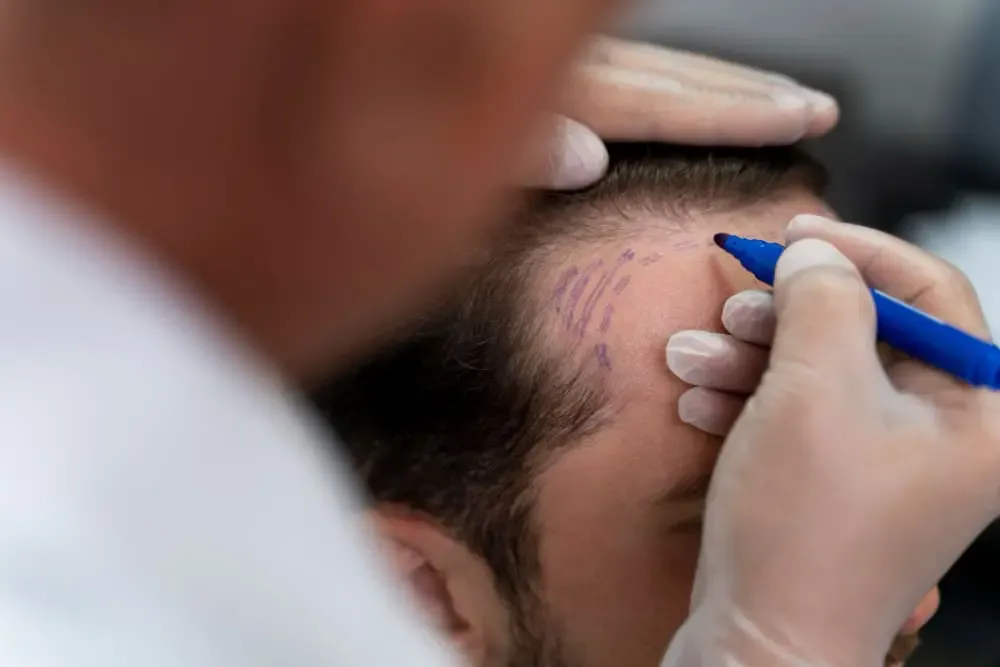
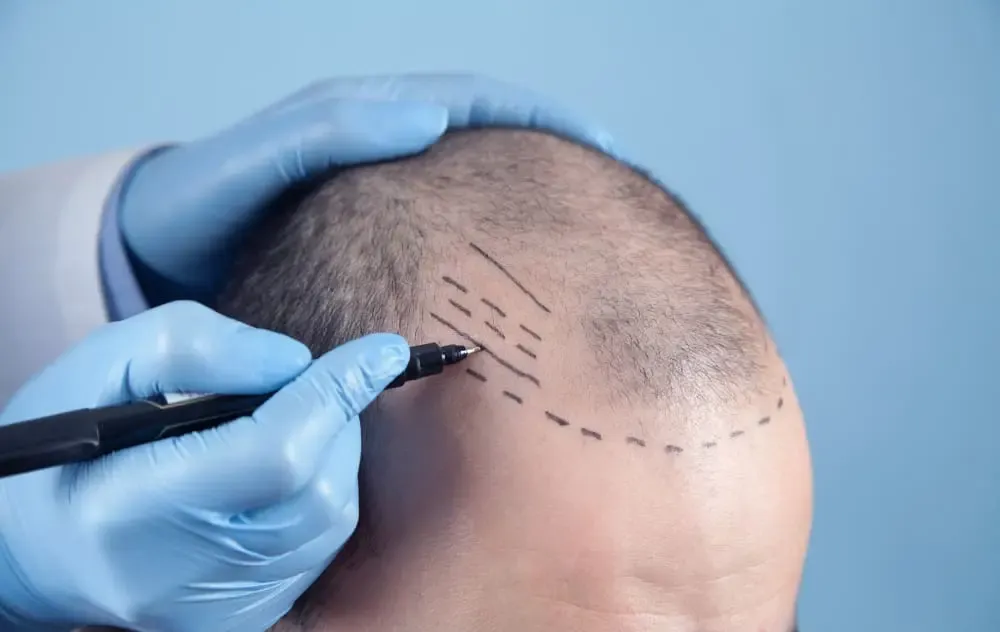
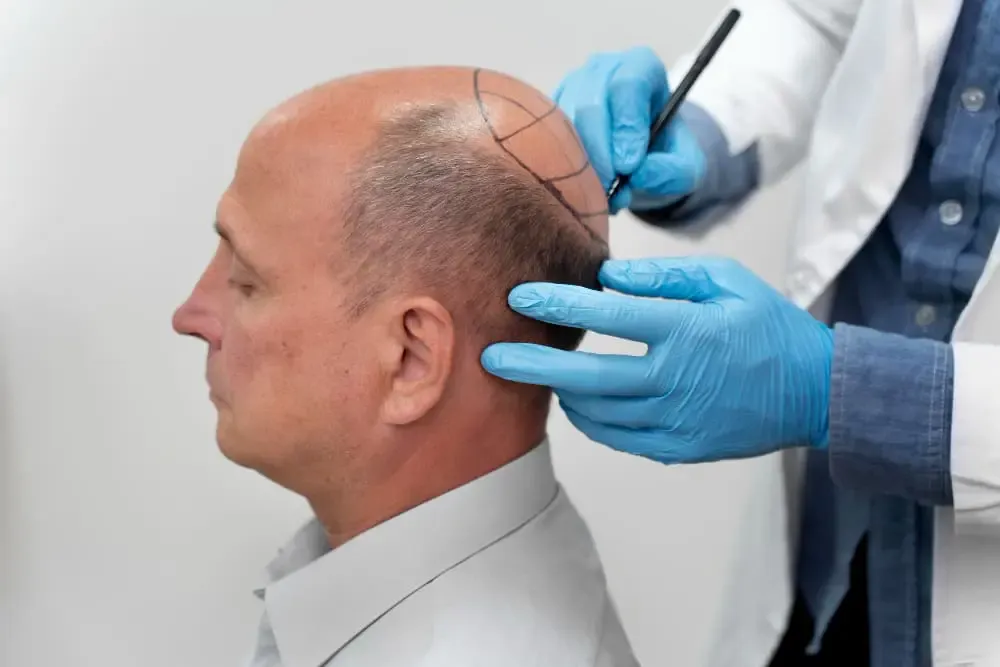
1. Evaluation and planning
The specialist performs a detailed diagnosis of the patient to determine the best transplant strategy based on the type of alopecia, hair density, and the patient's goals.
2. Follicle extraction
Depending on the chosen technique (FUE or FUT), the follicles are carefully extracted from the donor area.
3. Preparation of the recipient area
Micro-incisions are made in the area with hair loss, where the new follicles will be implanted. It is essential that these incisions follow the natural hair growth pattern.
4. Follicle implantation
The extracted follicles are implanted one by one in the recipient area with an appropriate distribution to achieve a natural result.
5. Recovery and post-operative care
After surgery, it is essential to follow medical recommendations, which include avoiding sun exposure, not scratching the scalp, and taking prescribed medications. Full recovery can take between 6 and 12 months.
Benefits of hair transplantation
- Permanent results: Unlike other hair loss treatments, hair transplantation offers definitive results.
- Natural appearance: With advanced techniques, transplanted hair grows in a natural way.
- Minimal maintenance: No special care is required once recovery is complete.
- Greater self-esteem and confidence: Restoring hair improves personal image and self-confidence.
On which areas of the body can a hair transplant be performed?
Although hair transplantation is most common on the scalp, this procedure can also be performed on other areas of the body, such as:
- Eyebrows: To improve eyebrow density and shape.
- Beard and mustache:Ideal for men who want a thicker, more even beard.
- Eyelashes:To increase eyelash density in cases of loss or lack of growth.
- Chest and other areas:In some cases, patients seek hair transplants on other parts of the body for aesthetic or reconstructive reasons.
Many patients choose to have hair transplants in countries with high-quality clinics at accessible costs. Colombia has become a popular destination for this procedure, thanks to the combination ofhighly trained physicians and cutting-edge technology.
Thehair transplantis an effective and safe solution for combating hair loss. With various techniques available and natural-looking results, more and more people are choosing this procedure to restore their appearance and confidence. If you are considering a hair transplant, consult a specialist to evaluate your options and achieve the best possible outcome.
If you're considering a hair transplant, consult a specialist to evaluate your options and achieve the best possible outcome.