
The hair transplant is one of the most effective solutions for hair loss, as it offers permanent, natural-looking results. However, one of the most frequently asked questions among those considering this procedure is: Does hair grow after a transplant? Understanding the post-surgery growth cycle, the results timeline, and what to expect in terms of regrowth is key to having realistic expectations.
How does a hair transplant work?
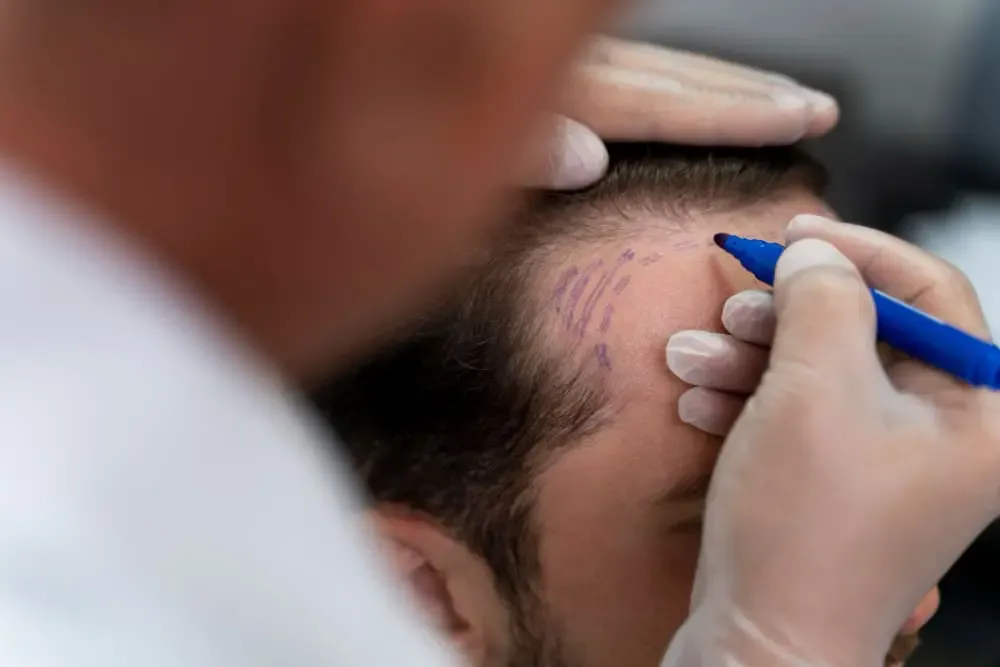
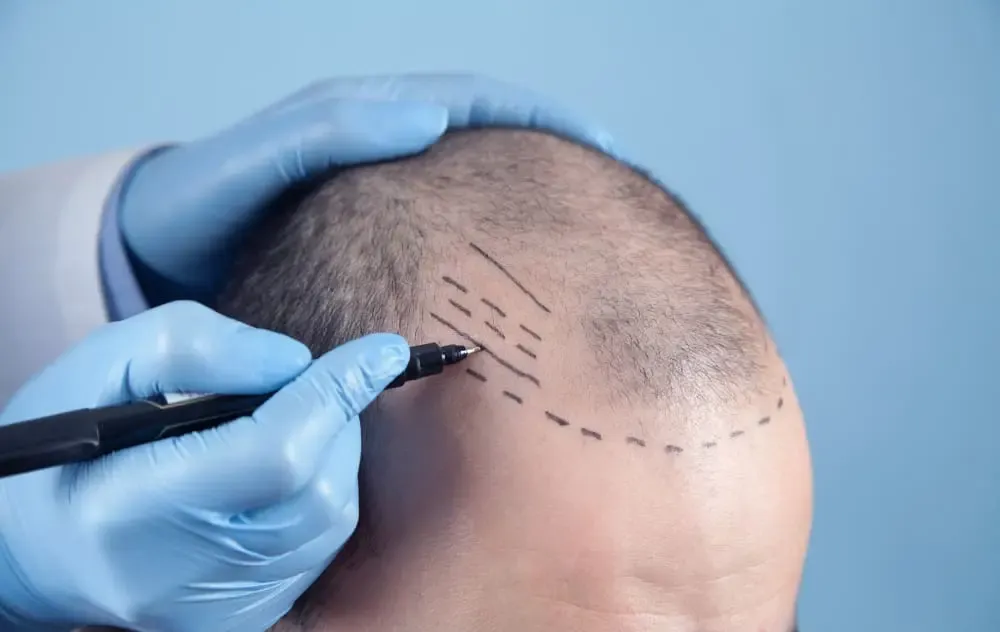
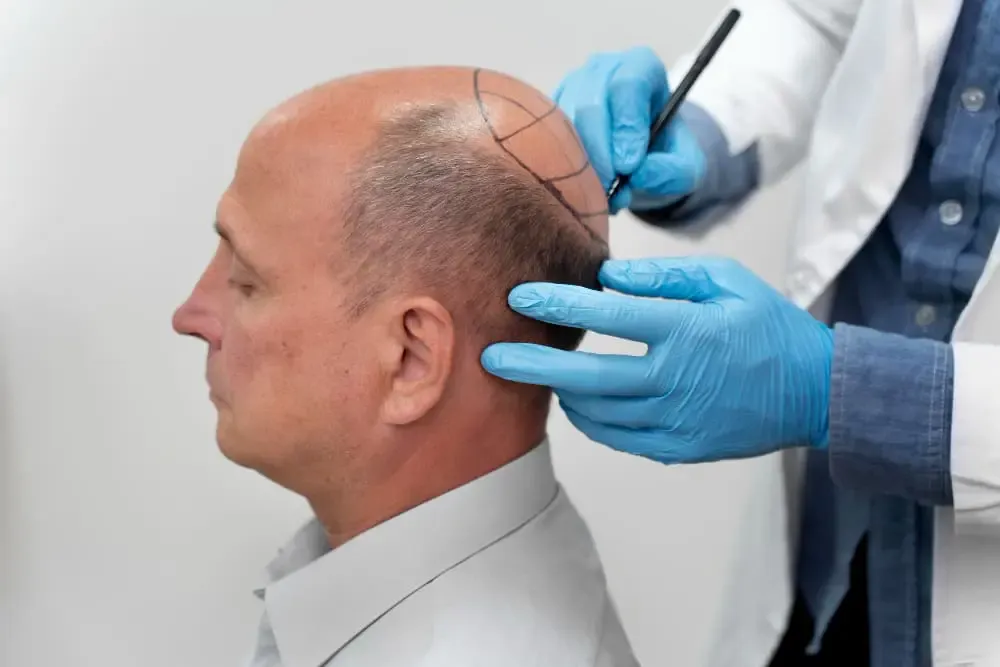
A hair transplant involves relocating healthy hair follicles from a donor area (usually the back or sides of the head) to an area with thinning or baldness. Currently, there are two main techniques in hair restoration:
- Follicular Unit Extraction (FUE): Individual follicles are extracted and implanted into the recipient area, leaving minimal scarring.
- Follicular Unit Transplantation (FUT): A strip of scalp is removed and divided into follicular units for implantation.
Both methods aim to provide natural-looking results, allowing the transplanted hair to behave like the original hair in its new location.
Does hair grow after a transplant?
Yes, but the growth of transplanted hair follows a specific timeline. The implanted follicles go through several phases before producing visible results.
How long does it take for transplanted hair to grow?
- Shock loss (Weeks 2-8): During the first weeks, the transplanted hair may fall out due to temporary shedding. This is a normal part of the recovery process.
- Resting phase (Months 1-3): The hair follicles enter a dormant stage in which there is no visible growth. Although this can be a cause for concern, it is a natural process before growth begins.
- Initial growth (Months 3-6): Fine, soft hairs begin to emerge. Density remains low, but the growth process is already underway.
- Hair maturation (Months 6-12): The hair becomes thicker and begins to take on a natural texture. At this stage, most patients notice a significant improvement in density and coverage.
- Full growth (12-18 months): The final results are visible. The transplanted hair grows naturally and can be cut, styled, and treated just like the original hair.
Factors that influence the success of a hair transplant
Although hair transplants are highly effective, several factors determine how well the hair grows after surgery:
- Surgeon experience: An experienced specialist ensures the correct placement and density of the follicles.
- Patient hair characteristics: The texture, thickness, and availability of hair in the donor area affect the results.
- Postoperative care: Following postoperative instructions, such as avoiding excessive sun exposure and trauma to the scalp, improves the success of the transplant.
- Patient's overall health: A healthy lifestyle and good scalp circulation promote recovery and hair growth.
What to expect after a hair transplant?
- Donor area healing: After an FUE or FUT procedure, the donor area heals within a few weeks with minimal scarring.
- Redness and swelling: Some redness and inflammation in the recipient area is common, but it disappears within a few days.
- Growth timeline: Full hair growth can take up to 18 months, so it is essential to be patient in order to see the final results.
So, does hair grow after a transplant? Absolutely! However, time and proper care are required to achieve optimal results. Transplanted hair follows a natural growth cycle, reaching its full density and texture over a period of 12 to 18 months. Choosing an experienced surgeon, following postoperative instructions, and maintaining a healthy lifestyle are key factors in achieving a successful outcome.
For those considering a hair transplant, exploring medical tourism options can offer more accessible procedures with top-level specialists at world-renowned clinics.