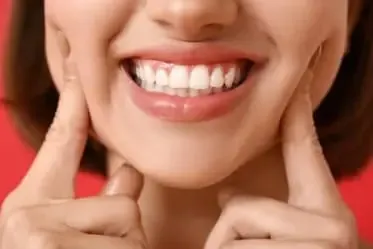
Dental veneers are a popular cosmetic dental solution designed to improve the appearance of teeth. These thin, custom-made shells are bonded to the front surface of the teeth to enhance their appearance, making them a versatile option for treating various cosmetic dental issues. In this article we will explore what dental veneers are, their types, advantages and disadvantages, and when they should be considered.
What are dental veneers?
Dental veneers are made of porcelain or composite resin materials. They are custom-made to fit each person's teeth, providing a natural and aesthetically pleasing appearance. Veneers are an effective solution for those who want toimprove the appearance of their teethwithout undergoing extensive dental procedures.
Exceptional service in an unforgettable city
Discover first-class medical care in the vibrant city of Medellín.
What are dental veneers used for?
Dental veneers serve multiple cosmetic purposes, including:
- Improving the appearance of discolored teeth: Veneers can cover heavily stained teeth that cannot be improved with whitening treatments.
- Covering worn teeth: They can protect and restore the appearance of teeth that have worn down over time.
- Fixing chipped or broken teeth: Veneers provide a smooth, natural appearance, covering any chips or breaks.
- Correcting misaligned, uneven, or irregularly shaped teeth: They offer a uniform appearance by adjusting the shape and alignment of the teeth.
- Filling gaps between teeth: Veneers can close gaps, providing a more uniform and attractive smile.
Types of dental veneers
There are two main types of dental veneers: composite (or resin) veneers and porcelain (or ceramic) veneers. Each type has its own characteristics, advantages, and disadvantages.
Composite or resin veneers
Composite veneers are made from a tooth-colored resin, the same type of material used in dental bonding. These veneers are usually applied directly to the teeth and shaped by the dentist during the appointment.
When to use composite veneers?
Composite veneers are recommended for minor cosmetic issues, such as small chips, gaps, or slight discoloration. They are a good option for those looking for a more affordable and less invasive treatment than porcelain veneers.
Advantages of composite veneers
- Less enamel removal: Compared to porcelain veneers, composite veneers require the removal of less tooth enamel.
- Single-visit procedure: Composite veneers can often be applied in a single visit to the dentist.
- Lower cost: They are generally less expensive than porcelain veneers.
- Easier to repair: If composite veneers are damaged, they can be easily repaired at the dentist's office.
Disadvantages of composite veneers
- Less durable: Composite veneers are not as strong or durable as porcelain veneers.
- Prone to staining: They can stain more easily than porcelain veneers, especially if you consume a lot of coffee, tea, or red wine.
- Shorter lifespan: Composite veneers typically last between 5 and 7 years.
Porcelain or ceramic veneers
Porcelain veneers are thin shells made of high-quality dental porcelain. These veneers are known for their natural appearance and durability.
When should porcelain veneers be used?
Porcelain veneers are ideal for significant cosmetic corrections, such as severe discoloration, larger gaps, or extensive reshaping of the teeth. They are usually chosen for their durability and natural appearance.
Advantages of porcelain veneers
- Natural appearance: Porcelain veneers mimic the light-reflecting properties of natural teeth.
- Stain resistance: They are highly resistant to stains from coffee, tea, and other substances.
- Durability: Porcelain veneers can last between 10 and 15 years or more with proper care.
- Strength: They are stronger and more durable than composite veneers.
Disadvantages of porcelain veneers
- Higher cost: Porcelain veneers are more expensive than composite veneers.
- More enamel removal: More tooth enamel must be removed to place porcelain veneers.
- Multiple visits required: The process of placing porcelain veneers typically requires several visits to the dentist.
- Difficulty of repair: If a porcelain veneer breaks, it is more difficult to repair than a composite veneer.
How are dental veneers applied?
Process for obtaining porcelain veneers
The process of placing porcelain veneers typically involves several steps over multiple visits:
- Consultation: The initial consultation involves discussing your goals, examining your teeth, and determining whether veneers are the right solution for you.
- Preparation: The dentist removes a small amount of enamel from the front surface of the teeth to make room for the veneers. This process is essential to ensure that the veneers fit properly and look natural.
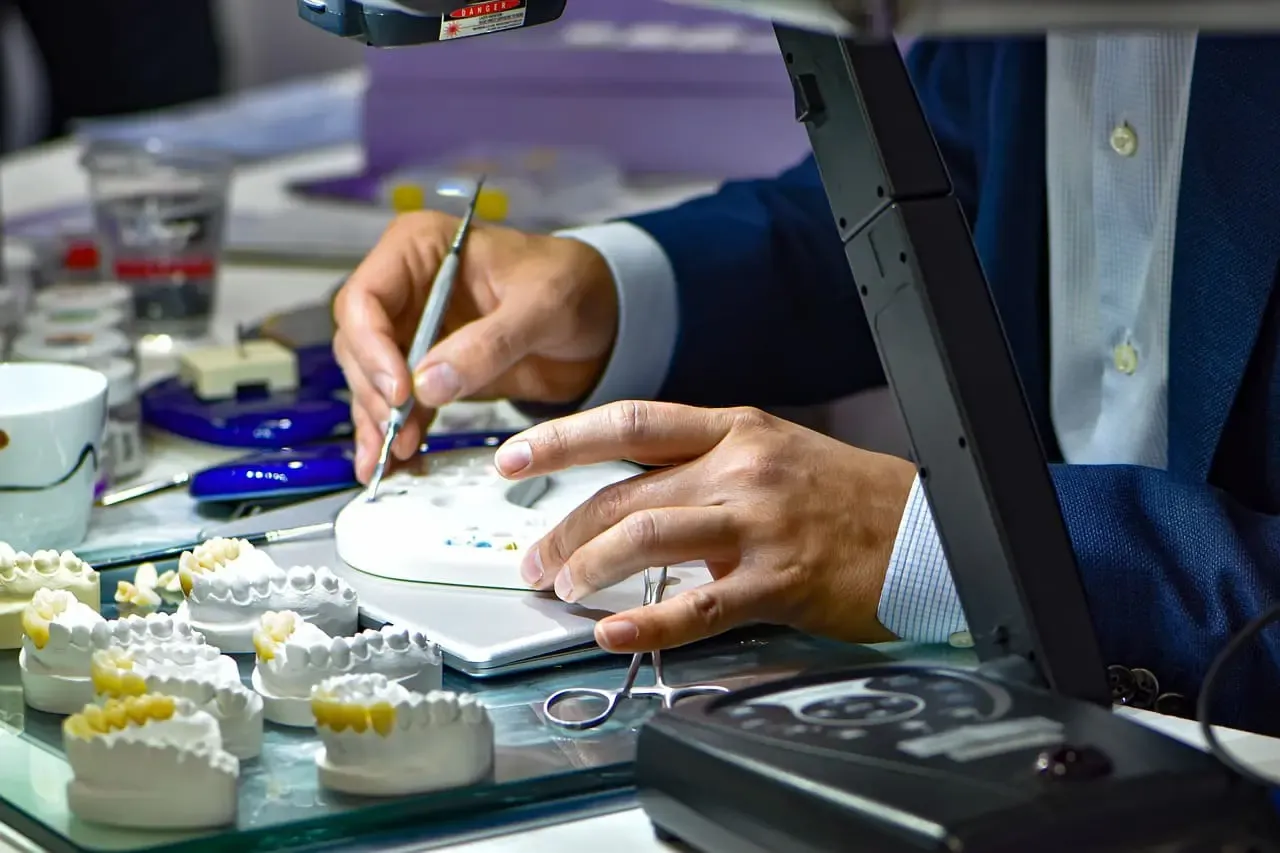
- Taking an impression: An impression of your teeth is taken to create a precise model. This model is sent to a dental laboratory where your custom veneers are fabricated.
- Temporary veneers: Temporary veneers may be placed on your teeth while the permanent ones are being made.
- Bonding: Once the porcelain veneers are ready, the dentist checks their fit and color. The teeth are cleaned, polished, and etched to create a suitable surface for bonding. A special cement is applied to the veneers, which are then placed on your teeth. A curing light is used to harden the cement quickly.
- Final adjustments: Once the cement has set, any excess is removed and the veneers are adjusted for a perfect fit.
When should dental veneers be used?
Dental veneers should be considered when you have cosmetic dental problems that cannot be resolved with simpler methods such as whitening or bonding. They are especially useful for:
- Stains deep stains: Teeth with deep stains that do not respond to whitening treatments can benefit greatly from veneers.
- Teeth chipped or worn teeth: Veneers can restore the appearance of chipped or worn teeth.
- Minor alignment issues or gaps: Veneers can correct minor misalignments or spaces between teeth, providing a more uniform appearance.
What specialist applies dental veneers?

Typically, a cosmetic dentist or prosthodontist applies dental veneers. These specialists have the knowledge and experience necessary to ensure that veneers are applied correctly and look natural. It is important to choose a qualified professional with a proven track record in cosmetic dentistry.
Is it advisable to get dental veneers?
Dental veneers are generally advisable for people who want to improve their smile and address various cosmetic dental issues. However, it is important to have a thorough consultation with your dentist to understand the process, the costs, and what results you can expect. Veneers are a long-term investment in your smile, and understanding the maintenance they require is crucial.
How long do veneers last on teeth?
With proper care, dental veneers can last between 7 and 15 years, and sometimes even longer. The lifespan of veneers depends on the material used and how well you maintain your oral hygiene. Regular dental check-ups and good oral care practices, such as brushing and flossing, are essential for extending the life of your veneers.
Comparison between composite and porcelain veneers
To help you make an informed decision, here is a detailed comparison of composite and porcelain veneers:
FeatureComposite VeneersPorcelain Veneers
Material
Resin composite
Dental porcelain
Durability
Less durable
Very durable
Stain resistance
Prone to staining
Highly stain resistant
Cost
Lower cost
Higher cost
Number of visits
Typically one visit
Multiple visits
Enamel removal
Minimal
More extensive
Lifespan
5-7 years
10-15 years or more
Repairability
Easier to repair
More difficult to repair
Frequently asked questions about dental veneers
How do I care for my dental veneers?
Caring for dental veneers is similar to caring for your natural teeth. Here are some tips to help your veneers last as long as possible:
- Brush and floss regularly: Use a non-abrasive toothpaste and a soft-bristled toothbrush.
- Avoid stain-causing foods and drinks: Limit your consumption of coffee, tea, red wine, and tobacco.
- Regular dental checkups: Visit your dentist regularly for cleanings and check-ups.
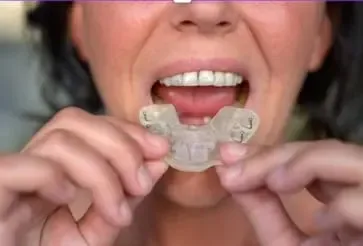
- Use a mouthguard: If you play sports or grind your teeth at night, use a mouthguard to protect your veneers.
Can dental veneers be whitened?
No, dental veneers cannot be whitened. If you want whiter teeth, it is advisable to whiten your natural teeth before getting veneers. The color of the veneers will be matched to your whitened teeth.
Are there risks associated with dental veneers?
As with any dental procedure, veneers carry some risks, which include:
- Tooth sensitivity: You may experience increased sensitivity to cold and hot foods and drinks.
- Irreversible procedure: Enamel removal is necessary, making it a permanent treatment.
- Possibility of damage: Veneers can chip or crack, requiring repair or replacement.
Dental veneers are an excellent option for those looking to improve the aesthetics of their smile. Whether you choose composite or porcelain veneers, understanding their advantages and limitations can help you make an informed decision. Consult with a cosmetic dentist to determine the best type of veneer for your needs and ensure a satisfactory result. With proper care, dental veneers can provide a beautiful, long-lasting smile.
Contact MDE Care for your dental veneers
If you are thinking about getting dental veneers and want to achieve an impressive smile, MDE Care is here to help you. Our team of experienced cosmetic dentists specializes in providing the highest quality dental care and personalized treatments tailored to your needs. Contact us today to schedule a consultation and take the first step toward a brighter, more confident smile. Get in touch with us to learn more about our services and how we can help you achieve your dental goals.