Have you ever woken up in the morning with pain in your teeth or jaw? It may be because you were grinding or clenching your teeth during the night without realizing it. If this happens frequently and has led to more serious complications, such as worn-down teeth, sensitivity, or inflammation, these may be symptoms of bruxism. In this article, you will understand what bruxism is and what its symptoms, consequences, and possible solutions are.
Exceptional service in an unforgettable city
Discover first-class medical care in the vibrant city of Medellín.
What is bruxism?
Bruxism is a disorder in which grinding, clenching, or gnashing of the teeth occurs unconsciously. Although its origin has not been fully determined, experts confirm that several genetic and social factors contribute to this disorder. To correctly diagnose bruxism, a professional must perform a detailed examination of the condition of the teeth and the patient's habits and behaviors in order to determine the severity of the case and the recommended course of action.
Is it bad to clench your teeth at night?
Among the different types of bruxism, the most studied to date is nocturnal bruxism, which, although it may not seem dangerous, if the teeth-grinding behavior is intense enough, it can cause jaw disorders, headaches, or serious damage to the structure or enamel of the teeth. It is necessary to study and identify the reasons for teeth grinding in order to use the appropriate solutions and consult the right professionals.
Symptoms and consequences of bruxism
Bruxism can significantly impact a person's oral health and, in severe cases, can affect their overall and mental health. Recognizing the symptoms early and seeking solutions from a qualified professional is essential to treating the disorder before its consequences worsen.
Its most common symptoms aredental sensitivity, jaw pain, and tooth painupon waking up or during stressful moments,teeth grindingto the point of generating sounds that another person can hear,noticing worn-down, fractured, chipped, or loose teeth, or experiencing ear paineven when the ears are healthy.
Causes of bruxism
The causes of bruxism can vary from one patient to another. At MDE Care, we take care of connecting you with theright professionalsto understand the causes and symptoms of bruxism and offer you solutions that address the needs and concerns it may generate.
Likewise, bruxism can be a reaction to certain medications or a consequence of other conditions, diseases, or disorders, such as attention deficit hyperactivity disorder (ADHD), dementia, epilepsy, sleep disorders, Parkinson's disease, or gastroesophageal reflux disease.
Bruxism caused by stress
One of the most common causes of bruxism is stress. The inability to cope with anger, frustration, or tension can trigger teeth grinding as a way of dealing with problems or situations that cause discomfort. The most challenging aspect of stress-related bruxism is howunconscious and painful the movement is and how rarely it is detected in time.
Bruxism caused by joint and bone abnormalities
When bruxism is not treated in time and becomes a deeply ingrained habit, injuries to dentofacial structures, maxillary disjunctions, muscle contractures may become evident, or it may lead to more complex pathologies or joint alterations. The bone and joint characteristics of each patient can influence the severity and recurrence of bruxism in each individual.
What are the consequences of bruxism?
There are multiple risk factors associated with bruxism, such as stress, age, personality, and temperament, in addition to being a hereditary disorder and a consequence of other diseases.
Its consequences can range from physical to psychological. Physical consequences may include damage to tooth enamel and structure, neck pain, facial pain, headaches, or complications around the ears and jaw.
Psychological consequences include damage to self-esteem, self-image, and self-concept, and they largely affect quality of life due to constant pain. In cases such as nocturnal bruxism, the disorder can disrupt sleep hygiene and cause insomnia or constant pain that prevents adequate rest.
How can bruxism be eliminated?
To solve bruxism at its root, it is necessary to understand the particular causes of each case andconsult with our allied specialistsabout the most appropriate solution.
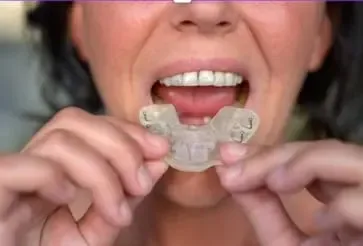
In milder cases, it is enough to become aware of the disorder and change daily habits and sleeping positions. In more severe cases, it is necessary to repair the teeth and use mouth guards to prevent further wear, or to resort to permanent treatments or rehabilitation.
Bruxism treatment.
How can I stop grinding my teeth?
When the simplest solutions are not enough to counteract bruxism, it is necessary toconsult a specialistthat determines the next steps to follow.The dentist will investigate the severity of the case based on questions and evaluations, and will carefully examine the patient's oral health. If necessary, the professional will proceed to repair the tooth damage or refer the patient to specialized partners in the creation of prosthetics and mouth guards or oral rehabilitation.
Bruxism treatment options
Treatment optionDescription
Mouth guards and splints
Custom-made devices to prevent damage from grinding
Dental correction
Repair of worn teeth through reshaping or crowns
Therapy and counseling
Psychological therapies to manage stress
Relaxation techniques
Methods such as meditation and yoga to reduce stress
Good sleep hygiene
Regular sleep schedule and a relaxing bedtime routine
Avoid stimulants
Reducing caffeine and alcohol intake
Jaw exercises
Exercises to strengthen and relax the jaw muscles
Types of bruxism
Bruxism can occur at different times of day and for different reasons, although the most common may be stress and joint or bone abnormalities. Each type of bruxism has its own variations and complications.
Nocturnal bruxism
Nocturnal bruxism is one of the most studied types and is more likely to be diagnosed. People who grind their teeth at night often suffer from jaw pain, tooth pain, or inflammation that can affect their daily lives. Patients who suffer from nocturnal bruxism often experience other types of sleep disorders, such as sleep apnea or snoring.
Awake bruxism
Bruxism can also occur in the middle of the day as a coping strategy for everyday situations, stress, anxiety, or deep concentration during work or projects.
Childhood bruxism
Childhood bruxism is a disorder caused primarily by factors that change over time, such as bone and joint growth. Other causes include genetic and hereditary predisposition. It is important to pay attention to the symptoms and pain the child presents in order to communicate them to specialists and find case-specific solutions to prevent long-term damage and avoid affecting the patient's health as they grow.
Final recommendations
In general, we can say that bruxism is a disorder in which teeth are ground unconsciously and can affect patients' health at various levels. To detect it in time, attention must be paid to the symptoms and pain that appear and consult a specialist.
To treat it in a more home-based way, relaxing activities can be incorporated into daily life, avoiding alcohol and caffeine, not smoking, and becoming aware of the habit, whether through small reminders or notes that remind you to relax your jaw.
Why choose MDE Care for bruxism treatment in Medellin?
MDE Care provides comprehensive and personalized care for bruxism. Our team of dental specialists, psychologists, and healthcare professionals work together to offer:
- Expert diagnosis: Advanced diagnostic tools to accurately assess the severity of bruxism.
- Customized treatment plans: Personalized treatment strategies to address individual needs and conditions.
- Holistic approach: Integration of dental care with stress management and lifestyle adjustments.
- World-class facilities: State-of-the-art medical facilities that ensure high-quality care and comfort.
- Affordable healthcare: Competitive prices for top-quality healthcare services in Medellín.