Understanding Pediatric Dentistry
The pediatric dentistry is a specialized branch of dentistry dedicated to the oral health of children from infancy through adolescence. Pediatric dentists receive additional training to address the unique dental needs of young patients, ensuring their development and well-being.
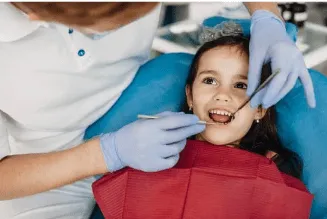
Pediatric dentists are experts at managing a child's first dental visit, creating a positive and educational experience that lays the foundation for good oral hygiene habits. They are familiar with the stages of development of children's teeth and jaws and can provide comprehensive care tailored to each child's needs.
Why Pediatric Dentistry Is Important
Children's teeth are more susceptible to cavities and other dental problems due to various factors, such as diet, oral hygiene habits, and the structure of their developing teeth. Pediatric dentists play a crucial role in preventing and treating these issues, ensuring a lifetime of healthy smiles.
Here are some key reasons why pediatric dentistry is vital:
Preventive Care
Preventive care is the cornerstone of pediatric dentistry, as its goal is to avoid dental problems before they begin. This includes
- Regular check-ups: Pediatric dentists recommend biannual dental visits to monitor and maintain oral health. Regular check-ups help detect dental problems early, preventing them from worsening.
- Fluoride treatments: Fluoride strengthens tooth enamel, making it more resistant to decay. Pediatric dentists typically apply fluoride treatments during check-ups to help protect children's teeth.
- Dental sealants: Sealants are thin protective coatings applied to the chewing surfaces of molars. They prevent food particles and bacteria from becoming trapped in the grooves of the teeth, significantly reducing the risk of cavities.
- Oral hygiene education: Educating children and parents about proper brushing and flossing techniques is crucial. Pediatric dentists provide guidance on how to maintain good oral hygiene habits at home.
Treatment of Dental Problems
Despite preventive measures, dental problems can still occur. Pediatric dentists are trained to treat a variety of dental issues in children, such as:
- Cavities and fillings: Tooth decay is common in children due to their diet and oral hygiene habits. Pediatric dentists use gentle techniques and child-friendly materials to treat cavities and restore teeth.
- Orthodontic evaluations: Early orthodontic evaluations can identify potential alignment issues. Pediatric dentists may recommend early interventions, such as braces, to correct these problems before they worsen.
- Managing dental anxiety: Children often experience anxiety during dental visits. Pediatric dentists use specialized techniques and a reassuring approach to make dental visits less intimidating and more enjoyable for young patients.
Common Pediatric Dental Treatments
TreatmentDescription
Dental cleanings
Professional cleaning to remove plaque and tartar
Fluoride applications
Applying fluoride to strengthen teeth
Dental sealants
Protective coatings applied to molars to prevent cavities
Fillings
Restoration of decayed teeth with composite materials
Space maintainers
Devices used to hold space for permanent teeth if a baby tooth is lost
Orthodontic appliances
Orthodontic appliances and other devices to correct alignment problems
Pulpotomy
Treatment of infected or damaged dental pulp
Extractions
Extraction of severely decayed or damaged teeth
The role of pediatric dentists
Pediatric dentists are not only experts in treating dental problems, but also play a vital role in educating children and their families about oral health. They create a welcoming, child-friendly environment, using techniques and tools designed to make dental care less intimidating for young patients.
The pediatric dentists also understand the psychological aspects of dental care for children. They use positive reinforcement, explain procedures in ways children can understand, and encourage them to take an active role in their oral health.
Tips for parents
Parents are crucial partners in maintaining their children's oral health. Here are some tips to help parents support their children's dental care:
- Start early: Begin dental visits before your child turns one to establish a dental home and start preventive care early.
- Healthy diet: Limit sugary snacks and drinks, which can contribute to tooth decay. Encourage a balanced diet rich in fruits, vegetables, and dairy products.
- Supervise brushing: Make sure children brush their teeth twice a day with fluoride toothpaste. Supervise brushing until children are around 8 years old, to ensure proper technique.
- Regular dental visits: Schedule dental check-ups every six months to monitor oral health and detect any problems early.
- Use fluoride: Make sure your child gets enough fluoride, whether through drinking water or fluoride treatments, to strengthen their teeth.
- Encourage healthy habits: Discourage habits such as thumb-sucking and pacifier use after age three, as they can affect tooth alignment.
Benefits of regular dental visits
- Early detection of dental problems: Identifying and treating problems early can prevent more serious issues in the future.
- Prevention of tooth decay: Regular cleanings and fluoride treatments help protect teeth from cavities.
- Guidance on proper oral hygiene: Pediatric dentists provide valuable advice on brushing, flossing, and diet to maintain oral health.
- Monitoring dental development: Regular check-ups ensure that your child's teeth and jaws are developing properly.
- Building a positive dental experience: Frequent visits help children become familiar with the dental office, reducing anxiety and building trust with their dentist.
Pediatric dentistry is essential for ensuring that children maintain healthy teeth and gums throughout their lives. By focusing on preventive care, early treatment, and education, pediatric dentists help lay the foundation for good oral health for life. Parents play a vital role in their children's dental care, fostering healthy habits, attending regular dental appointments, and promoting a positive attitude toward oral hygiene. With the combined efforts of pediatric dentists and parents, children can enjoy bright, healthy smiles for years to come.