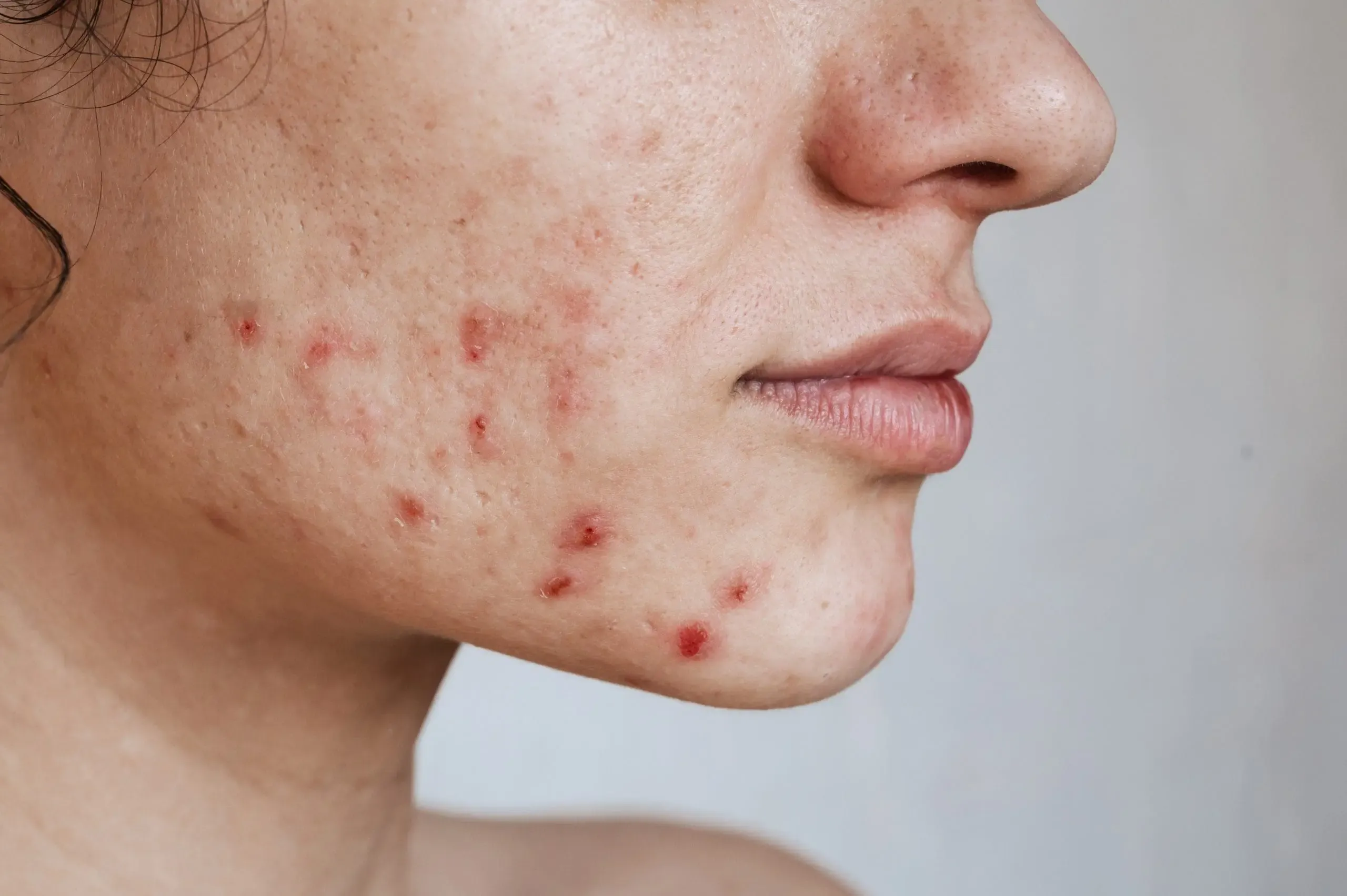

Facial spots are a common concern that affects many people, regardless of their skin tone or age. The production of melanin, the natural pigment that gives color to our skin, can vary due to several factors, resulting in hyperpigmentation or dark spots. Among the most frequent causes are sun exposure without adequate protection, hormonal changes, and the natural aging process. Fortunately, there are various strategies and treatments that can help reduce spots and improve the overall appearance of facial skin.
A detailed understanding of facial spots is crucial for selecting the most effective treatment. Hyperpigmentation can present in various forms, including freckles, age spots, or larger areas of color change. Women, in particular, may experience changes in pigmentation due to hormonal fluctuations, such as those that occur during pregnancy or with the use of contraceptives. In addition, exposure to free radicals from pollution and the sun can accelerate premature aging and contribute to the appearance of spots. Daily sun protection, with an SPF of 30 or higher, is essential to prevent the overproduction of melanin and protect the skin from future damage.
Understanding facial spots
Understanding the nature of facial spots is the first step toward achieving radiant skin. Skin pigmentation, including dark spots, is directly related to melanin production, which can be affected by multiple factors. Sun exposure without adequate protection is one of the most common causes of hyperpigmentation, as it causes the skin to produce an excess of melanin as a defense mechanism against UV damage. In addition, women may notice changes in skin tone due to hormonal fluctuations. Using broad-spectrum sunscreens and adopting skin care habits can help manage and prevent the appearance of these imperfections.
Common causes of dark spots
Dark spots on the skin can originate from various factors that alter the health and natural pigmentation of the skin. Prolonged sun exposure without adequate protection is a primary cause, as UV rays can trigger the formation of dark spots known as solar lentigines. In addition, hormones and certain medications can trigger changes in pigmentation, resulting in hyperpigmentation. It is important to recognize that specific creams and treatments can help reduce the appearance of these spots, improving the uniformity of skin tone.
Sun damage and hormonal changes
Sun exposure without adequate protection is one of the main causes of dark spots, known as solar lentigines. These spots result from the overproduction of melanin, which the skin produces in an attempt to protect itself from UV damage. In addition, hormonal changes, especially in women, can lead to the development of spots as a result of a condition called melasma. Daily sun protection, through the use of creams with a high sun protection factor, is crucial to prevent these spots and protect the skin from further damage.
Wound healing and irritations
Skin lesions, whether caused by wounds, irritations, or acne, can leave dark spots on the skin as a sequela. This type of post-inflammatory hyperpigmentation occurs when the skin, during its healing process, produces an excess of melanin. It is essential to treat these areas with care, avoiding direct sun exposure and applying products designed to soothe and regenerate the skin, thus helping to minimize the formation of spots.
Recommended dermatological strategies
For those seeking effective solutions for facial spots, dermatology offers a wide range of advanced options. From topical treatments to in-office procedures, it is possible to design a personalized treatment plan that addresses the specific needs of each skin type. It is crucial to consult a board-certified dermatologist to obtain an accurate diagnosis and science-based recommendations.

Advanced treatment options
Dark spots on the skin, resulting from various factors such as sun damage, hormonal changes, or scarring, can be effectively treated with the help of advanced technologies and dermatological techniques. Among these options are treatments such as microdermabrasion, specific lasers, and chemical peels, designed to remove the superficial layer of the skin and promote cellular regeneration. These procedures can help lighten dark spots and improve the overall texture of the skin.
Removing dark spots from the face with laser and microdermabrasion
Microdermabrasion and laser treatments represent two of the most effective techniques for eliminating dark spots from the face. Through the application of these advanced technologies, it is possible to exfoliate the superficial layer of the skin, removing dead cells and irregular pigmentation. In addition, these treatments stimulate collagen production, improving the texture and overall tone of the facial skin. It is essential to follow post-treatment sun protection recommendations to maintain results and prevent the appearance of new spots.
Chemical peels and cryotherapy
Chemical peels and cryotherapy are two other effective methods for treating facial spots. Chemical peels use acid solutions to remove the upper layers of the skin, which helps reduce the visibility of dark spots and promotes cellular renewal. Cryotherapy, on the other hand, uses extreme cold to destroy pigment cells, lightening the spots. Both treatments require post-procedure care and sun protection to optimize and maintain results.
Use of specialized creams
In addition to dermatological procedures, the use of specialized creams plays a fundamental role in the treatment of facial spots. These creams, many of which require a prescription, are formulated with active ingredients that can lighten the skin and reduce the visibility of spots. The effectiveness of these products lies in their ability to inhibit melanin production and accelerate cellular renewal, resulting in more even and radiant skin.
Prescription skin-lightening creams and creams for facial spots
Prescription skin-lightening creams contain potent active ingredients such as hydroquinone, azelaic acid, and niacinamide, which can significantly help reduce pigmentation and improve the overall skin tone. These creams should be used under the supervision of a dermatologist, as improper use can cause irritation or worsen the spots. To complement the treatment, there are also over-the-counter creams designed to diminish the appearance of facial spots, which can be incorporated into the daily skin care routine.
Nature as your ally
For those who prefer more natural approaches, there are home remedies and solutions based on organic ingredients that can help treat dark spots. Although these methods may be gentler, it is important to keep in mind that results may vary and that it is always advisable to perform a sensitivity test before applying any new substance to the facial skin.
Effective home remedies
Home remedies can offer a natural alternative for those looking for ways to remove facial spots. Ingredients such as lemon, aloe vera, and onion have properties that can help lighten facial spots. However, it is crucial to remember that these treatments should be applied with caution, as some ingredients can irritate the skin or increase sun sensitivity. It is recommended to use these remedies for short periods and always protect the skin with an adequate sun protection factor.
Lemon and baking soda for removing facial spots
The combination of lemon and baking soda is popular for its lightening properties. Lemon juice contains citric acid, which can help reduce dark spots, while baking soda acts as a gentle exfoliant. To use this remedy, a paste should be prepared by mixing both ingredients and applied over the spots, leaving it on for no more than 20 minutes before rinsing off. It is vital to apply a moisturizing cream afterward and avoid sun exposure, as lemon can make the skin more sensitive to UV rays.
Apple cider vinegar and aloe vera: natural solutions
Apple cider vinegar and aloe vera are known for their multiple skin benefits, including the ability to lighten spots. Apple cider vinegar acts as a natural astringent, while aloe vera soothes and regenerates the skin. A diluted solution of apple cider vinegar applied with a cotton pad can help improve the appearance of spots over time. On the other hand, aloe vera gel, applied directly to the spots, can contribute to their fading thanks to its moisturizing and regenerative properties. Both ingredients should be used in moderation and a prior sensitivity test is recommended.
Key ingredients in home recipes
In the search for a natural solution for facial spots, certain ingredients stand out for their beneficial properties. Vitamin E, known for its antioxidant effects, helps protect and repair the skin. Glycolic acid, a natural exfoliant, works by removing dead skin cells, which can lighten dark spots. Hydroquinone, although more common in prescribed treatments, is found in some home recipes at low concentrations, helping to reduce pigmentation. Kojic acid, derived from natural sources such as the koji fungus, and lactic acid, obtained from milk, are also effective ingredients for the treatment of spots, offering a gentle but effective alternative for skin rejuvenation.
Orange, milk, oatmeal, and lemon masks
Homemade masks with natural ingredients can be an effective way to combat facial spots. A mixture of orange, milk, oatmeal, and lemon takes advantage of the vitamins and lightening properties of these ingredients to deliver visible results. Applying these masks for 15 minutes, followed by rinsing with warm water, can help gradually lighten dark spots. The vitamin C from the orange, in particular, contributes to skin regeneration, while the lactic acid from the milk and the citric acid from the lemon work together to exfoliate and lighten the skin, and the oatmeal soothes and reduces irritation.
Prevention and ongoing care
To maintain spot-free skin, it is essential to adopt a preventive and ongoing care regimen. This approach not only treats existing spots but also prevents the formation of new ones. Including specific skin care products in the daily routine that offer protection against the factors that cause spots is key. In addition, keeping the skin hydrated and nourished will help strengthen its natural barrier, promoting healthy skin that is resilient to imperfections.
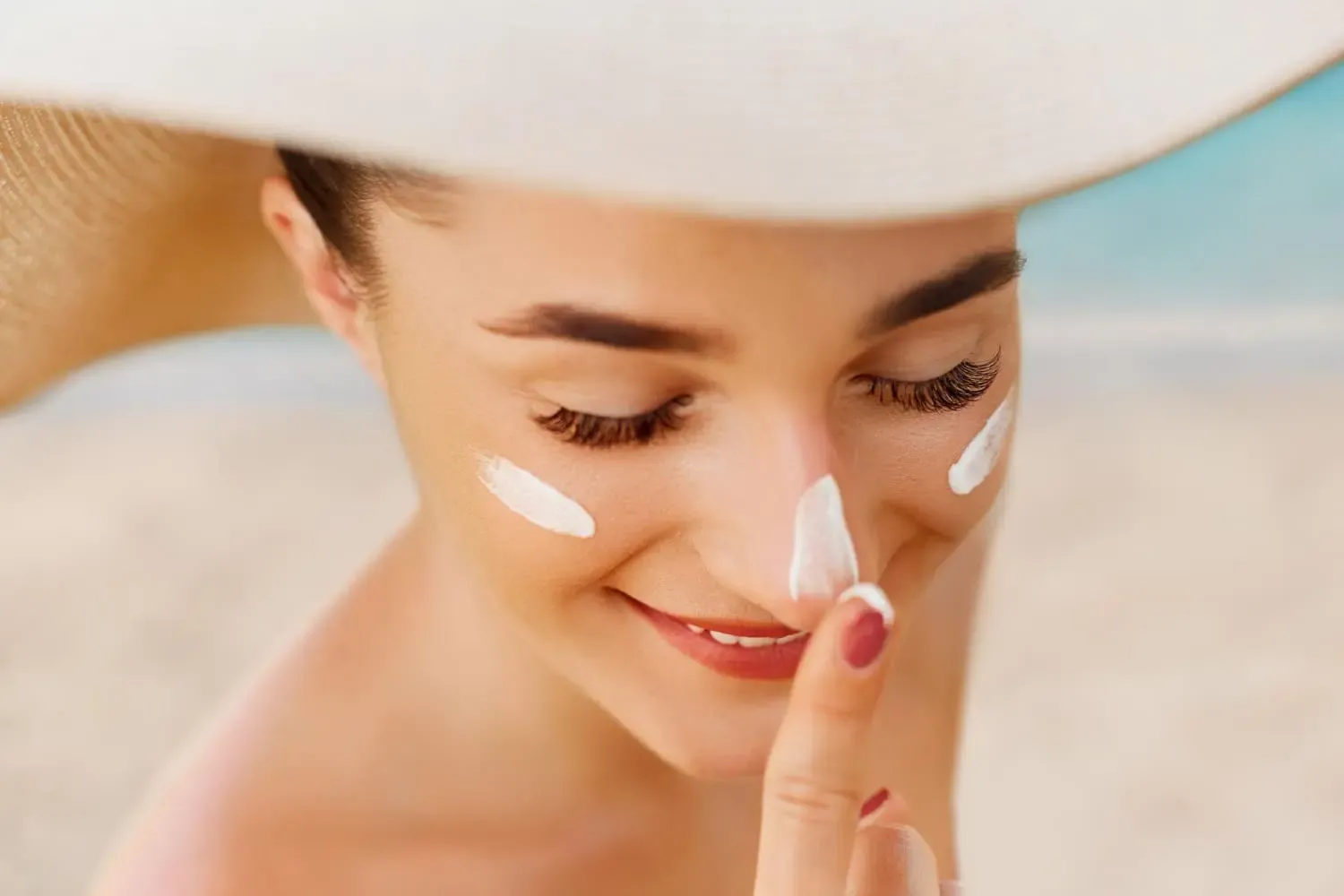
Sun protection and cleansing routines
Adopting healthy skin habits is fundamental in the prevention of spots.
The importance of daily sun protection
Daily sun protection is crucial for preventing facial dark spots, as unprotected sun exposure is one of the main causes of hyperpigmentation. Applying a broad-spectrum sunscreen with an adequate sun protection factor (SPF) every day, even in cloudy conditions, can significantly reduce the risk of developing dark spots and premature skin aging. Consistently following this habit increases the effectiveness of any spot treatment, by preventing the intensification of existing spots and the appearance of new ones.
Gentle cleansing and regular exfoliation
A gentle yet effective cleansing routine, combined with regular exfoliation, is essential for keeping the skin free of dark spots. Daily cleansing helps remove impurities and excess oil, while proper exfoliation can remove dead skin cells, promoting cell renewal and improving skin texture. These steps are fundamental to preparing the skin to optimally absorb spot treatment and prevention products, maximizing their effectiveness.
When to seek professional help
While there are many strategies and treatments available for managing facial dark spots, some situations require the intervention of a professional. The persistence of spots despite home care, or the appearance of warning signs such as changes in the texture or color of a spot, justify seeking dermatological advice. A professional can offer precise diagnoses and personalized treatments, ensuring the most appropriate care for each case.
Warning signs and recommendations
Paying attention to warning signs is key.
Precise diagnosis for effective treatments
A precise diagnosis is the first step toward an effective treatment for facial dark spots. Dark spots can be a symptom of underlying conditions, and only a dermatologist can determine the exact cause and recommend the most appropriate treatment. This can range from prescription creams to advanced dermatological procedures. In addition, the side effects of some treatments and the possibility of developing darker spots or skin cancer in incorrectly treated areas underscore the importance of careful professional follow-up.
Dermatological monitoring and follow-ups
Regular dermatological follow-up and monitoring are essential to ensure the effectiveness and safety of treatments for facial dark spots. These consultations allow treatments to be adjusted according to the progression of the spots and the skin's response, minimizing the risk of side effects and ensuring the best possible results. Close collaboration with a dermatologist is therefore a crucial component in the successful management of skin dark spots.
Key conclusions for spot-free skin
Achieving and maintaining spot-free skin involves a combination of targeted treatments, preventive care, and healthy skincare habits. Integrating medical solutions with natural remedies and adopting an appropriate daily care routine are fundamental to this goal. Likewise, paying attention to the skin's signals and acting early at any change, together with the guidance and supervision of a dermatologist, are essential for effective and safe treatment of facial dark spots.
Integrating treatments and prevention
The synergy between treatments and prevention is key.
Balancing medical solutions and natural remedies
Finding the right balance between medical solutions and natural remedies is essential for treating facial dark spots effectively and safely. While dermatological treatments can offer fast and targeted results, natural remedies and preventive practices contribute to the long-term health of the skin and minimize the risk of adverse effects. Integrating both approaches, always under professional supervision, can provide comprehensive and sustained skin care.
Commitment to skin protection and care
A long-term commitment to proper skin protection and care is fundamental for preventing the appearance of new dark spots and for treating existing ones. This commitment includes daily sun protection, regular cleansing and exfoliation, as well as the adoption of a healthy lifestyle that promotes skin health. In addition, choosing products suited to the skin type and specific needs, along with regular dermatological follow-up, are essential for maintaining radiant, healthy, and spot-free skin.