Acne is not just a cosmetic or passing problem: it is a dermatological condition that can impact your self-esteem, your emotional well-being, and your health if not treated properly. Understanding the stages of acne is key to acting early, preventing it from worsening, and, above all, preventing permanent scarring.
If you are going through a breakout or have tried multiple treatments without success, this article can inform you about acne (from its earliest manifestations to the most severe) and help you in your search for professional dermatological support.
What is acne and why does it appear?
Acne is an inflammatory skin disease that occurs when hair follicles become clogged by a combination of the skin's natural oils, dead cells, and bacteria. This produces lesions such as blackheads, whiteheads, pimples, nodules, or cysts.
Although it is more common in teenagers, it can persist or appear in adulthood, especially in women, and is often related to hormonal, genetic, environmental, dietary, or even emotional factors.
Stages of acne
Depending on the phase it is in, acne requires different treatments for recovery and prevention; therefore, recognizing the stage of acne allows you to take timely action and avoid permanent skin damage.
Stage 1: comedones
This is the initial stage of acne and often goes unnoticed. This is where comedones begin to appear - these are pore blockages without visible inflammation:
- Blackheads (open comedones):the pore remains partially open, which allows its contents to oxidize upon contact with air, taking on a dark color. They tend to appear in areas with higher oil production, such as the nose, forehead, and chin.
- Whiteheads (closed comedones):The pore is completely blocked and covered by a thin layer of skin, which prevents sebum from reaching the surface. They are often more noticeable to the touch than to the eye.
The most recommended treatment is cleansing with gentle cleansers, exfoliants with salicylic or glycolic acid, topical retinoids, and the use of non-comedogenic products.
Stage 2: inflammatory lesions
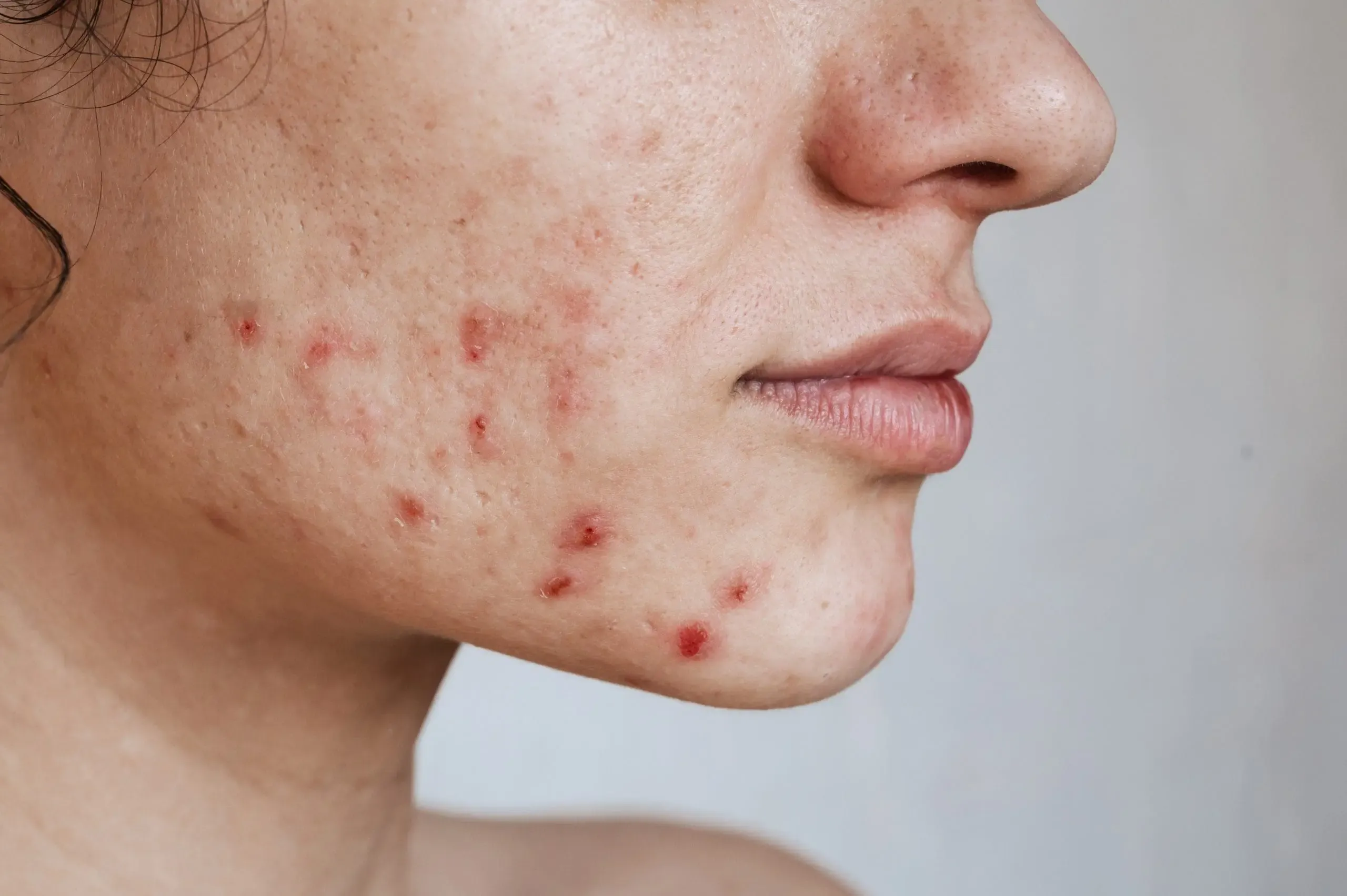
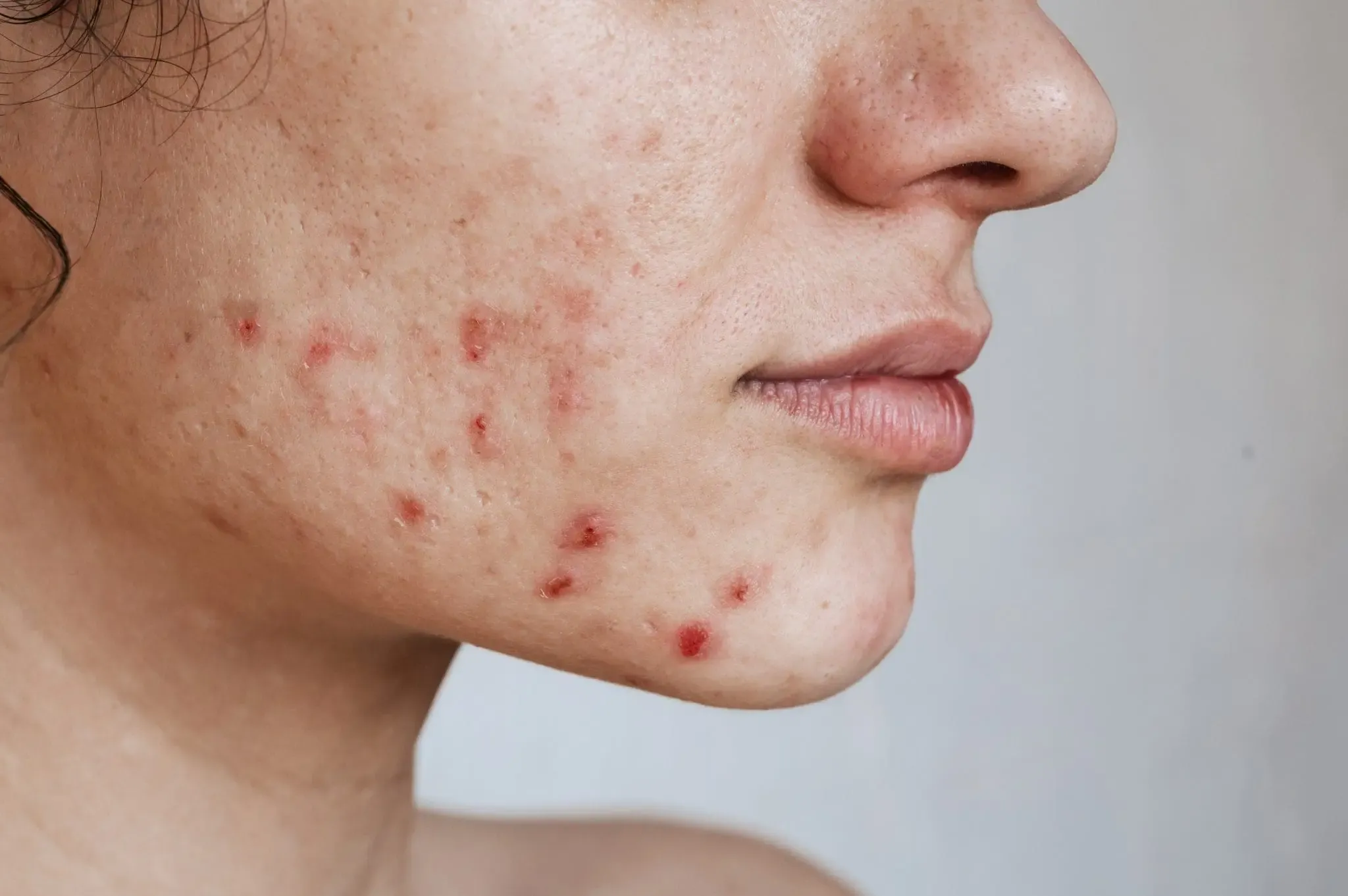
At this stage, acne becomes a visible inflammation due to the presence of bacteria, which trigger an immune reaction. These lesions can commonly be found on the cheeks, jaw, and back, and may worsen if manipulated.
- Papules:reddish, raised lesions without pus. They may be tender to the touch and indicate active inflammation.
- Pustules:they are similar to papules but contain pus at their center. They appear due to an accumulation of white blood cells (leukocytes) in response to infection.
The recommended treatment includes cleansing twice a day, topical antibiotics (such as clindamycin), benzoyl peroxide, combined retinoids, and medical supervision by specialists.
Stage 3: moderate and severe acne
This is one of the most delicate and painful stages. The lesions are deep, extensive, and carry a higher risk of leaving permanent scars.
- Nodules:they are hard masses beneath the skin, highly inflamed and sensitive. They do not contain pus on the surface, but cause pain and internal tension.
- Cysts:they are pus-filled sacs that can rupture beneath the skin, causing tissue damage and a greater risk of atrophic or hypertrophic scarring.
The recommended treatment requires personalized care for each case. It may include oral medications, drainage, systemic antibiotics, hormonal therapy in the case of some women, and more detailed and frequent follow-up by specialists.
At MDE Care we understand that the most advanced stages of acne not only affect skin health, but also the self-esteem and emotional well-being of those who suffer from it. That is why we offerdermatological treatmentstailored to each patient, designed according to the type of acne, its degree of severity, and the particular needs of each patient. Our medical team combines advanced technology with a comprehensive approach to help you control breakouts, prevent scarring, and restore your confidence in your skin.
Stage 4: spots and scars
Once the breakout has resolved, the skin may be left with visible after-effects that affect its texture and tone:
- Post-inflammatory spots:Hyperpigmentation or residual redness following inflammation. They can last weeks or months.
- Scars:Sunken, raised, or keloid marks, depending on the tissue's response during healing.
Dealing with acne scars requires time, consistency, and the guidance of a specialist. At MDE Care we have a dermatology team that offers advanced treatments to improve the appearance of the skin and reduce visible marks. Depending on the type of scar, our professionals can recommend laser therapies, microneedling, chemical peels, or depigmenting formulas with active ingredients such as salicylic acid, retinoids, or vitamin C. All of our treatments are focused on progressively, safely, and individually restoring the health, texture, and even tone of your skin.
It is essential not to self-medicate or change treatments without supervision, as every skin responds differently.
How long does acne last?
The duration of each stage of acne can vary considerably from person to person. Factors such as skin type, the origin of the acne (hormonal, bacterial, inflammatory), genetics, daily habits and, above all, adherence to treatment all influence how long each phase lasts.
- The comedones can last weeks or months if not properly treated. Many people remain in this phase without progressing to severe breakouts if they adopt an effective skincare routine from the start.
- The duration of papules and pustules can be more fluctuating, with breakouts that appear and disappear in cycles of 2 to 6 weeks. If not controlled, it can progress to deeper lesions.
- The nodules and cysts have a longer and more complex duration, which can last several months or even years if appropriate medical treatment is not applied. The appearance of scars is common.
- The marks and scars can persist for months, especially on sensitive skin or without treatment. Some spots disappear on their own over time, but scars require dermatological intervention.
To know which stage you are in, the most important thing is to observe the type of lesions you have (comedones, inflamed pimples, deep lesions or spots) and how your skin responds to treatments.
When should you consult a dermatologist?
Not all breakouts require an immediate consultation, but you should see a specialist if:
- The acne does not improve after 2-3 months with conventional products.
- The lesions are painful, deep or recurring.
- Spots or scars are beginning to appear.
- The breakout is affecting your self-esteem or your social life.
- You want a comprehensive, personalized and safe dermatological plan.
At MDE Care, we offer acne treatments provided by a clinical dermatology team that can help you reduce the appearance of new breakouts and prevent the formation of new lesions.
How to prevent acne?
Preventing acne is not always 100% possible, especially when hormonal or genetic factors are involved. However, it is possible to significantly reduce its occurrence and severity by adopting appropriate habits from an early age:
- Daily facial hygiene: Wash your face twice a day with a gentle cleanser. Avoid harsh soaps or excessive exfoliation.
- Hydration and sun protection: Even oily skin needs hydration. Use oil-free creams and non-comedogenic sunscreen every day.
- Balanced diet: Maintain a diet rich in fruits, vegetables and water. Limit excessive consumption of refined sugars and dairy products if you notice a connection with breakouts.
- Avoid touching your skin: Do not touch, scratch or pop pimples or blackheads, as you can worsen inflammation and cause scarring.
- Choose your cosmetic products wisely: Make sure that everything you apply to your face is non-comedogenic and free of heavy oils.
- Consult a dermatologist: At the first signs of persistent acne, the best thing to do is see a specialist. At MDE Care you can find preventive support that will help you maintain healthy skin and avoid long-term complications.
Most common myths about acne
In the world of skincare, acne is one of the topics surrounded by the most myths and misinformation. Mistaken beliefs not only hinder effective treatment, but can also worsen the condition or generate frustration in those who suffer from it.
- "Acne only affects teenagers":False. Acne can continue into adulthood, especially in women due to hormonal fluctuations.
- "Washing your face frequently eliminates acne":False. Excessive cleansing can disrupt the skin barrier and trigger greater sebum production, worsening the condition.
- "Popping pimples makes them disappear faster":False. Manipulating lesions can cause infections and leave permanent scars.
- "Eating chocolate causes acne":There is no direct relationship, although a diet high in simple sugars can influence the appearance of breakouts.
- "Natural products are always better":Some natural ingredients can irritate the skin or be comedogenic. The ideal approach is to follow a routine recommended by a dermatologist.
Getting informed through reliable sources and consulting with professionals is the best way to treat acne from a safe, realistic, and effective approach.
Understanding the stages of acne is the first step toward making informed decisions about your skin care. Acting in time can make the difference between a temporary breakout and a prolonged condition with emotional and physical impact.
At MDE Care, we accompany you at every stage withdermatological treatmentsbased on science, personalization, and comprehensive care. If you are dealing with persistent acne or want to prevent complications, we are here to help you restore balance, health, and confidence in your skin.