
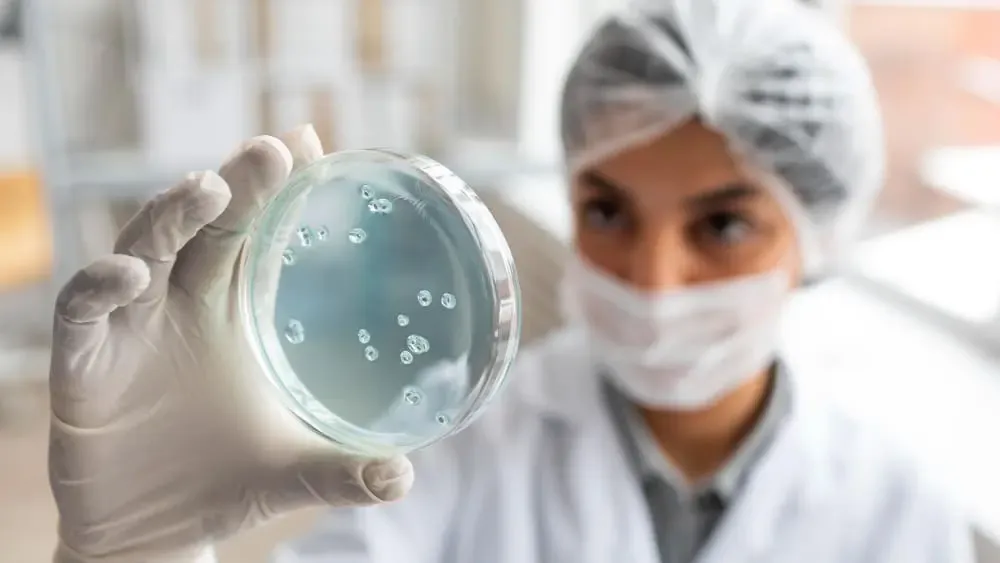
Stem cells have revolutionized modern medicine due to their ability to regenerate tissues and treat various diseases. These special cells can divide and differentiate into different cell types, making them essential in treatments for conditions such as cancer, degenerative diseases, and serious injuries.
But what exactly are stem cells used for, and what are their most important applications?
What are stem cells?
Stem cells are special cells that have the ability to become different cell types in the body. They play an important role in tissue growth and repair. In medicine, these cells are used to treat various diseases and conditions. Their applications include treatments for cancer, tissue regeneration, and neurodegenerative diseases, among others.
Essential properties of stem cells
Stem cells have distinctive characteristics that set them apart from other cell types. These properties are crucial for their function in the body.
- Self-renewal: This ability allows stem cells to multiply and maintain a stable population, ensuring that stem cells are always available for regeneration and development.
- Differentiation: This refers to the capacity to transform into specialized cells, such as muscle, neural, or blood cells. This property allows a single type of stem cell to contribute to the formation of various tissues.
Importance in developmental biology
Stem cells are essential for embryonic development and the maintenance of tissues in adult organisms.
- During the early stages of development, these cells play a vital role in the formation of all cell types in the body.
- In adults, their ability to regenerate tissues is fundamental for wound healing, injury recovery, and organ growth.
Their study has opened doors to a better understanding of both normal development and the pathologies associated with failures in cell differentiation and maintenance.
Types of stem cells
Stem cells are classified into different types according to their origin and capacity for differentiation. Each type has unique characteristics and potential applications in medicine.
Stem cells are specialized cells with the ability to divide and become other cell types. There are different types:
- Embryonic stem cells: They are found in embryos in their earliest stages of development and can transform into any type of cell in the body.
- Adult stem cells: They are found in tissues such as bone marrow or umbilical cord blood. Their differentiation capacity is more limited than that of embryonic stem cells.
- Induced pluripotent stem cells (iPS): These are adult cells reprogrammed to behave like embryonic stem cells.
Medical applications of stem cells
Stem cells have a wide range of medical applications that make them key elements in innovative treatments. Their ability to differentiate into various cell types allows them to address different diseases and promote the regeneration of damaged tissues.
The use of stem cells in medicine has enabled advances in the treatment of various pathologies. Below, we explore their main applications:
Cancer treatments
Hematological cancers, including leukemia and lymphomas, require therapeutic approaches that take advantage of the properties of stem cells.
Therapies for leukemia and lymphoma
Therapies for leukemia, which include intensive chemotherapy regimens, aim to eradicate cancer cells in the bone marrow. Subsequently, stem cell treatments are performed to restore the blood system. This approach has proven to be effective, improving survival rates in patients with these conditions.
Bone marrow transplants
Bone marrow transplants are another crucial use of stem cells. They can be obtained from compatible donors or from the patient themselves. These transplants are a vital option for those who have undergone aggressive cancer treatments, as they help rebuild blood cells, which is essential for recovery.
Tissue regeneration
Tissue regeneration is one of the most promising areas in regenerative medicine. Stem cells can help repair various types of tissues that have been damaged.
Cardiac tissue repair
In the case of heart disease, research focuses on the use of stem cells to regenerate damaged muscle tissue. This not only has the potential to improve cardiac function, but could also change the way conditions such as myocardial infarction are treated, thereby reducing the need for invasive surgical procedures.
Skin injury recovery
Stem cells are also being explored for skin regeneration, especially in injuries caused by burns or trauma. Techniques are being developed to create new skin in the laboratory that can be used in grafts. This is essential for helping patients recover the function and appearance of affected skin.
Treatment of neurodegenerative diseases
Neurodegenerative diseases, such as Alzheimer's and Parkinson's, represent a significant challenge in modern medicine. The regenerative capacity of stem cells is being investigated as a potential solution for these devastating conditions.
Research in Alzheimer's and Parkinson's
Scientists are exploring how stem cells can be used to regenerate lost neuronal cells. This research is crucial, as it seeks to restore affected brain functions, with the goal of improving patients' quality of life.
Neuronal regeneration
The idea of regenerating neural tissue offers hope for future treatments. As research advances, therapies are expected to be developed that allow damaged neurons to be repaired or replaced, which could revolutionize the treatment of diseases that, to date, have no effective cure.
Regenerative medicine in orthopedics
Stem cell therapies have been used to treat cartilage, tendon, and bone injuries, offering alternatives for patients with arthritis, sports injuries, and complex fractures.
Autoimmune diseases
Stem cells can help modulate the immune system and reduce inflammation in patients with diseases such as rheumatoid arthritis and lupus.
Stem cells and medical tourism in Colombia
In recent years, many people have chosen to travel to other countries in search of innovative stem cell treatments. Colombia has become a key destination for medical tourism, as it offers:
- Advanced stem cell procedures
- Competitive prices
- Highly trained professionals
If you are interested in this type of therapy, working with a medical tourism agency can facilitate access to the best specialists and ensure a safe and effective experience.
Risks and considerations
Although stem cell therapies have great potential, they also carry some risks and limitations, such as:
- Immune rejection in certain treatments.
- Lack of regulation in some countries.
- Experimental procedures with efficacy still under investigation.
It is essential to be well informed before undergoing a stem cell treatment and to consult with accredited healthcare professionals.
Stem cells represent one of the greatest promises in modern medicine, with applications ranging from cancer treatment to the regeneration of tissues and organs.
As science advances, new therapies are likely to emerge that improve the quality of life of millions of people.
If you are considering a stem cell treatment, a medical tourism agency can help you access the best options available in Colombia and other countries.