Dehydration is a condition in which the body loses more fluids than it takes in, affecting its normal functioning. Recognizing the symptoms and applying effective treatments to prevent complications makes a difference, which is why we are going to explain everything about dehydration and what you can do to recover quickly when you experience it.
What is dehydration?
Dehydration occurs when you do not consume enough water or lose more fluid than necessary, affecting the body's electrolyte balance, such as sodium and potassium.
Cause of dehydration
Description
Excessive sweating
Occurs during exercise or in very hot environments.
Diarrhea or vomiting
They cause a significant loss of fluids and electrolytes.
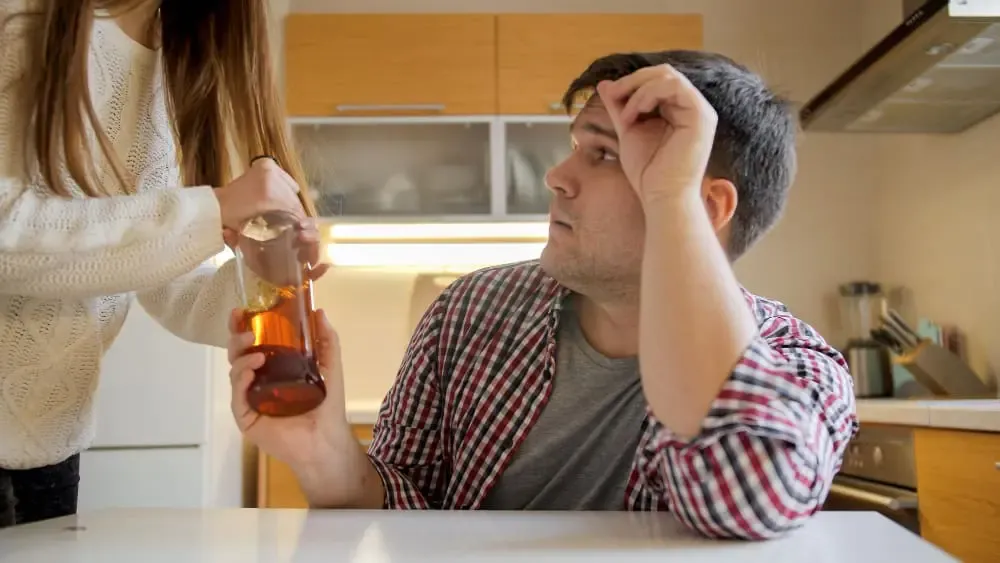
Alcohol consumption
Acts as a diuretic, increasing urine excretion.
Insufficient water intake
Not drinking enough water throughout the day is a common cause of dehydration.
Explanation of the dehydration process
The human body is composed of 60% water, and every cell, tissue, and organ depends on it to function. When the water level drops, the body prioritizes the functioning of vital organs, which can lead to the initial problems of dehydration, such as dry skin, fatigue, and headache.
Factors that contribute to dehydration
- Hot climates: increase sweating and fluid loss.
- Intense exercise: physical activity increases the demand for fluids.
- Alcohol consumption: it acts as a diuretic, increasing urine production.
Fun fact: alcohol dehydrates because it inhibits the release of vasopressin, a hormone that helps the kidneys retain water. Without vasopressin, the kidneys eliminate more water than normal.
Symptoms of dehydration
Symptoms can range from mild to severe, depending on how much water the body has lost.
Signs of mild dehydration
- Persistent thirst
- Dry mouth
- Dark-colored urine
- Mild fatigue
Symptoms of severe dehydration
- Mental confusion or dizziness
- Tachycardia
- Loss of consciousness
- Very dark urine or absence of it
Tip: If you notice that your urine is a dark yellow color, it is an indicator that you need to increase your fluid intake.
So, how do you recover from dehydration?
The way to treat dehydration will depend on its severity. The goal is to replenish fluids and restore electrolyte balance.
Treatment for mild dehydration
Recovering from a mild dehydration episode requires simple steps that, when followed, allow the body to replenish lost nutrients. The ideal approach is:
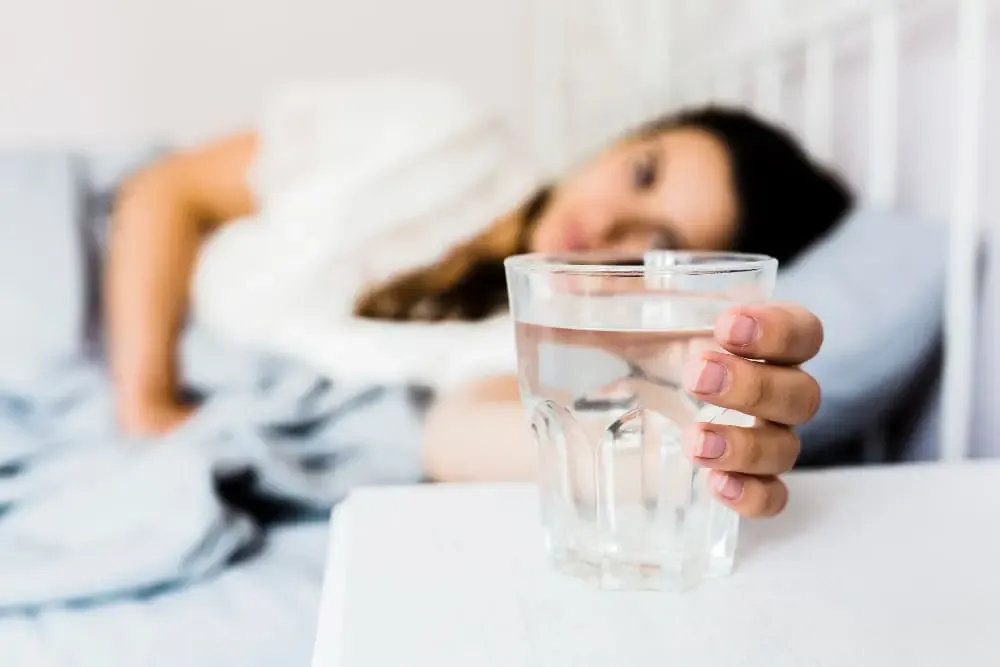
- Drink water in small sips to avoid gastrointestinal discomfort.
- Include foods rich in water such as fruits (watermelon, cantaloupe) and vegetables (cucumber, celery).
Treatment for moderate dehydration
If dehydration persists and has progressed to a moderate level, a different set of recommendations should be followed.
- Drink electrolyte beverages, homemade oral rehydration solutions, or those available at any pharmacy.
- If the dehydration is caused by heat or excessive exercise, try to rest in a cool place.
Treatment for severe dehydration
When dehydration becomes a serious medical issue, you should seek specialized medical support and care.
- Seek immediate medical attention:you may need to receive fluids intravenously(fluid therapy), typically starting with saline solutions to allow an immediate response in the body
- Medical monitoring: especially important for people with chronic conditions or vulnerable groups such as children and the elderly. This is because, if left untreated, it can progress into more severe medical complications.
Recommended drinks for combating dehydration
There have always been beverages, beyond water, that help rehydrate the body, especially in cases of moderate or severe dehydration. The most common and recommended ones are:
Electrolyte drinks
There are beverages on the market known as electrolyte drinks, which allow the body to recover lost nutrients much more quickly and thereby avoid going through a dehydration process.
- Sports drinks, available at any store or retail establishment
- oral rehydration solutions, available at pharmacies and some now so widely commercialized that they are even sold as remedies for dehydration caused by alcohol consumption.
- Coconut water, which you no longer have to go to the seaside to find - it is now available in some stores and supermarkets and is very effective thanks to its high potassium levels.
Natural drinks that help with hydration
Natural beverages have always existed that, due to their properties, help rehydrate the body. Among the best known are:
- Fruit-based waters such as coconut water
- herbal tea made with ginger or chamomile
- Fresh fruit pulp juice prepared with water.
Common mistakes when treating dehydration

Self-medication can often be the worst remedy in many situations, which is why it is important to consult specialized or medical sources for treatment. Additionally, a lack of knowledge or accurate information can sometimes make the problem worse.
Consuming non-recommended beverages
Sugary drinks and coffee do not rebalance the body or restore lost nutrients, which means they can turn mild dehydration into moderate or even severe dehydration.
Ignoring the initial symptoms of dehydration
We often overlook symptoms such as constant thirst or mild fatigue, which are usually the beginning of a dehydration process. This is why you should always stay alert and support your body starting with the most basic steps, such as drinking water or seeking shade in areas with excessive sun exposure, all the way to consuming electrolyte drinks or the natural beverages we have already mentioned.
Tip: Keep a water bottle with you throughout the day to remind yourself to drink consistently.
Prevention of dehydration
Prevention is the best measure against any risky situation. Therefore, to avoid going through dehydration, we suggest:
Adequate hydration throughout the day
- Drink at least 8 glasses of water a day, or more if you engage in intense exercise - of course, at regulated intervals, in appropriate amounts, and without neglecting your diet.
- In your daily diet, consume fruits and vegetables that are high in water content. This will not only help prevent dehydration but will also provide many benefits for your body.
Hydration in special situations
During exercise:Drink small amounts of water every 15-20 minutes. You can also consume one of the recommended beverages.
In hot climates:Increase your intake of water and electrolyte drinks. Also remember to rest and avoid prolonged exposure to the sun.
When to seek medical help

There are times when, no matter how careful you have been, dehydration can progress and cause serious health problems, making medical attention the best solution.
Warning signs of severe dehydration
There are several warning signs, but the most concerning are:
- Dizziness, confusion, persistent nausea.
- Inability to urinate
Recommendations to prevent future severe dehydration
Following the tips outlined in this article can help prevent dehydration. Self-care and informed decisions - if you follow all the advice we have given you throughout this article, you can prevent dehydration. Informed self-care is the best medicine, but there will be cases that require special treatment. If you recognize the symptoms and see a doctor in time, you will be fine.
the best medicines, but if symptoms persist, seek medical advice promptly for effective treatment.