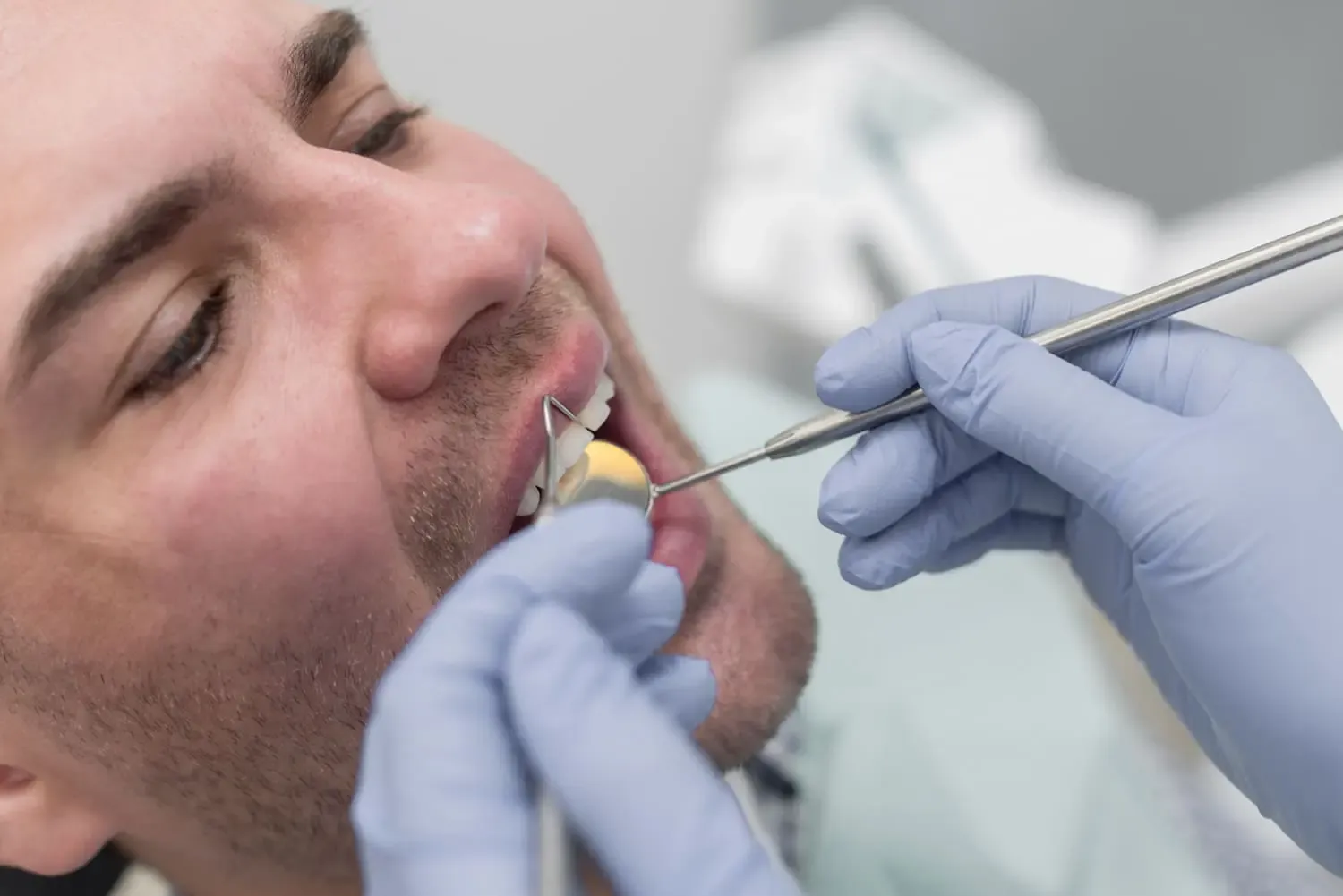
The extraction of wisdom teeth represents a crucial surgical procedure to prevent unnecessary pain and future complications in oral health. This procedure, carried out by professionals, is performed under anesthesia to ensure patient comfort throughout the entire process, which can last up to 60 minutes, depending on the complexity of the case.
Once the extraction is complete, the recovery period plays a fundamental role in the success of the procedure. Following the specialist's postoperative instructions to the letter is vital to avoid infections and facilitate a prompt recovery, allowing the patient to return to their daily routine normally and without additional complications.
Medical reasons behind wisdom tooth extraction
Wisdom teeth, or third molars, are often extracted for various medical reasons, focused on preserving the patient's oral health. This surgical procedure is recommended when the teeth do not have enough space to grow properly, which could cause pain, infections, and negatively affect the alignment of the other teeth. The extraction of wisdom teeth prevents future complications, thereby maintaining the integrity of the oral cavity and preventing deterioration of adjacent teeth.
Why do wisdom teeth cause problems?
Third molars, commonly known as wisdom teeth, tend to grow at an age when most permanent teeth are already in position, which can result in insufficient space for their proper growth. This can cause wisdom teeth to become impacted, meaning trapped in the gum tissue or bone, putting pressure on nearby teeth and potentially damaging oral function. Wisdom tooth extraction prevents these problems, protecting the health of the teeth and gums.
Benefits of extraction for oral health
The extraction of wisdom teeth offers multiple benefits for oral health, such as preventing the buildup of bacteria that can cause infections. After the extraction, it is recommended to perform mouth rinses with a teaspoon of salt in a glass of warm salted water for 20 minutes to promote healing and reduce the risk of infection. This simple postoperative care facilitates a healthy recovery and protects the rest of your teeth.
Details of the extraction procedure
Our oral surgeons are highly trained to perform wisdom tooth extractions using minimally invasive techniques, ensuring patient well-being and preserving the remaining teeth. Wisdom teeth tend to grow in positions that can become problematic; when impacted, they can damage the dental cavity and the surrounding teeth. If you suspect your wisdom teeth may be causing problems, do not hesitate to contact us to schedule an appointment with our doctors.
Preparations before surgery
Before surgery, it is important to prepare adequately to ensure a smooth procedure and recovery. We recommend starting mouth rinses with warm salted water, using a teaspoon of salt in a glass, for 20 minutes, to reduce the risk of infections. If you have questions about how to prepare for your wisdom tooth extraction or need more information, contact our office; we are here to help you every step of the way.
- Rest: It is important that you get enough rest and do not eat heavy meals the night before.
- Avoid alcohol: Many people overlook the effects of alcohol and anesthesia. Avoiding alcohol at least two days before the procedure will help with blood clotting. Additionally, there are studies confirming that alcohol has a negative influence on these procedures.
- Come with a companion: Depending on the case, it may be necessary for you to attend the procedure with a companion, in the event that a large amount of anesthesia is needed, which may affect your ability to drive or get around.
- Antibiotics: Sometimes it may be necessary to prescribe antibiotics a few days before the procedure. Do not forget to follow the instructions and take the medications.
Initial consultation and X-ray analysis
During your first visit, the oral surgeon will evaluate the development of your wisdom teeth through detailed X-ray analysis. This allows us to understand your specific situation and develop a personalized treatment plan tailored to your needs. Understanding the position and growth of your wisdom teeth is essential to prevent future problems and keep your oral health in optimal condition.
Anesthesia and extraction techniques
The oral surgeon will discuss the available anesthesia options with you, including IV sedation, to ensure that your experience during the extraction is as comfortable as possible. With a variety of sedation options, patients undergo the procedure in a state of deep relaxation, free from anxiety and pain. The choice of intravenous sedation is a crucial part of the process, allowing for a discomfort-free extraction.
Use of sedation for a pain-free experience
Intravenous sedation is an effective method to ensure a pain-free experience during wisdom tooth extraction. This type of sedation allows patients to undergo the procedure in a state of total relaxation, without experiencing anxiety or discomfort. Our team is highly qualified to administer this sedation safely, ensuring your well-being throughout the entire procedure.
Essential postoperative care
After the extraction, it is crucial to carefully follow the postoperative instructions to ensure a successful recovery. Applying ice packs to the wound area helps manage swelling and promotes healing. In addition, it is important to protect the blood clot that forms at the extraction site, as it plays a vital role in the healing process.
Instructions for a successful recovery
For a successful recovery after the extraction procedure, it is essential to follow a series of specific instructions. Keeping ice packs on the affected area for the first 2 to 3 hours helps reduce swelling. It is normal to experience some excessive bleeding, but placing a tea bag over the wisdom tooth socket and biting down gently for 30 minutes can help stabilize the situation. In addition, you should avoid rinsing your mouth too forcefully so as not to dislodge the blood clot, which is crucial to the healing process. Patients may resume brushing their teeth the following day, being careful not to disturb the extraction site.
Pain relief and swelling management
To relieve pain and manage swelling after the extraction, it is recommended to perform mouth rinses with warm salted water, using a teaspoon of salt in a glass, for 20 minutes. This simple yet effective method not only helps reduce swelling, but also promotes healing of the affected area, contributing to a faster and complication-free recovery.
Recommended diet and oral hygiene after extraction
After wisdom tooth extraction, it is important to follow a soft diet and avoid foods that could irritate or infect the wound area. Following your specialist's recommendations regarding oral hygiene and care of the impacted teeth can prevent complications and promote healthy healing, thereby protecting the blood clot essential for recovery.
Importance of antibiotics and infection control
Controlling infection in the back of the mouth, especially after wisdom tooth extraction, is crucial for a complication-free recovery. Antibiotics may be prescribed by your dentist or surgeon to prevent infection, ensuring that the healing process develops optimally and without interruption.
Common complications and how to manage them
Although wisdom tooth extraction is a common and generally safe procedure, complications such as excessive bleeding, sore throat, or infections may arise. It is important to contact your dentist or oral surgeon if you experience any of these symptoms after the extraction. They can provide you with the advice and treatment necessary to manage these complications effectively and ensure a healthy recovery.
Managing bleeding and skin discoloration
It is normal to experience bleeding during the first 24 hours after wisdom tooth extraction, but this can be controlled by gently biting down on a gauze pad over the wound area for approximately 20 minutes. In the case of skin discoloration, such as bruising, which can occur due to the pressure applied during the extraction, applying an ice pack to the affected area can help reduce inflammation and improve skin color. It is important to follow your dentist's or surgeon's instructions to minimize these side effects.
Recovery and Healing Time
Complete recovery after wisdom tooth extraction (third molar removal) can vary from person to person, but it generally takes around 2 weeks. During the first few days, it is crucial to follow a soft food diet and avoid hard, hot, or spicy foods that may irritate the wound area. In addition, keeping your head elevated and applying ice for the first 15 to 30 minutes after the dental surgery and then every 1 to 2 hours can help reduce swelling and relieve pain. Gently rinsing your mouth with salt water after the first 24 hours can also promote the healing process.
How long does it take to fully recover from wisdom tooth extraction?
Full recovery from wisdom tooth extraction can take up to 2 weeks, although most patients begin to feel better after 1 week. During this time, you may experience pain in the back of the mouth where the tooth was removed, but you can take pain relievers as recommended by your doctor or dentist to relieve the pain. Following postoperative care instructions, such as eating soft foods and avoiding hard, hot, or spicy foods, is essential for a complication-free recovery.
Tips to speed up the healing process
To speed up the healing process after the wisdom tooth extraction procedure, it is important to follow your oral surgeon's recommendations. This includes resting adequately, avoiding vigorous mouth rinsing or the use of straws that could dislodge the blood clot formed in the wound area, and maintaining thorough but gentle oral hygiene. In addition, applying ice packs as directed and eating soft foods during the first few days can significantly reduce swelling and improve comfort. By following these guidelines, your recovery can progress more quickly and without setbacks.