Oral health is a critical component of overall well-being. This article delves into why maintaining good oral hygiene is vital and provides practical tips and insights to keep your mouth healthy. Understanding the importance of oral health can motivate you to take better care of your teeth and gums, ultimately leading to a healthier life.
What is oral health and why should you care about it?
Oral health refers to the condition of the mouth, teeth, and gums. It is a fundamental aspect of our overall health that should not be overlooked. Good oral health allows us to eat, speak, and socialize without discomfort, pain, or embarrassment. Conversely, poor oral health can lead to various serious health problems, such as infections, heart disease, diabetes, and even respiratory issues. These conditions arise because the mouth serves as a gateway to the body, and harmful bacteria from oral infections can enter the bloodstream, affecting other parts of the body. Therefore, maintaining good oral hygiene is not just about having a bright smile - it is about preserving overall health (Sanz, et al., 2020).
Exceptional service in an unforgettable city
Discover first-class medical care in the vibrant city of Medellín.
Key strategies for maintaining good oral health
Maintaining good oral health involves a combination of regular dental care, healthy habits, and preventive measures. Here are some essential strategies that everyone should follow to ensure their oral health remains in the best possible condition:
Dental prevention: Your first line of defense
Preventive care is crucial to avoiding dental problems before they start. Regular dental check-ups and cleanings are essential components of this approach. These visits allow dentists to identify and treat problems such as cavities, gum disease, and oral cancer at an early stage. Regular cleanings help remove plaque and tartar that cannot be eliminated by brushing and flossing alone. In addition, dental professionals can provide personalized advice on maintaining oral hygiene and recommend treatments such as fluoride applications and sealants to further protect your teeth (American Dental Association, 2021).
The role of nutrition in your oral health
What you eat significantly influences your oral health. A balanced diet rich in vitamins and minerals is essential for strong teeth and healthy gums. Foods high in calcium, such as dairy products, leafy green vegetables, and nuts, help strengthen tooth enamel. Phosphorus, found in meat, eggs, and fish, also contributes to enamel health. Vitamin C, found in citrus fruits and vegetables, is vital for gum health. On the other hand, sugary foods and beverages can cause tooth decay. Bacteria in the mouth feed on sugar, producing acids that erode tooth enamel. Therefore, limiting sugar intake and maintaining a nutritious diet is crucial for oral health (Moynihan and Kelly, 2014).
Effective brushing techniques for a healthy mouth
Proper brushing techniques ensure a thorough cleaning of the teeth. This includes using a fluoride toothpaste, brushing for at least two minutes twice a day, and making sure to reach all areas of the mouth, including the back teeth and along the gum line. It is important to use a soft-bristled toothbrush and replace it every three to four months, or sooner if the bristles are frayed. Brushing should be complemented by flossing to remove food particles and plaque from between the teeth and below the gum line, where the toothbrush cannot reach. Additionally, using an antimicrobial mouthwash can help reduce plaque and prevent gingivitis (Marinho, et al., 2013).
The connection between oral health and overall health
Your oral health is interconnected with your overall health in ways that many people do not realize. Here is how:
Understanding how oral diseases affect the rest of the body
Oral diseases such as periodontitis can have serious consequences for your overall health. Periodontitis is a severe gum infection that damages the soft tissue and, if left untreated, can destroy the bone that supports the teeth. This condition has been linked to a number of systemic health problems, including heart disease, diabetes, and stroke. The inflammation caused by periodontitis can increase inflammatory markers in the bloodstream, which may contribute to the development of these conditions. Therefore, managing oral diseases is crucial not only for maintaining oral health but also for preserving overall health (Sanz, et al., 2020).
Managing stress and its influence on oral health
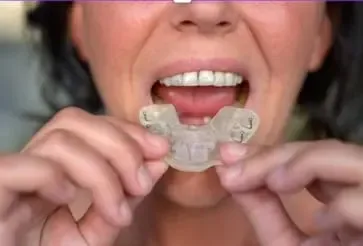
Stress can negatively affect your oral health by triggering habits such as teeth grinding (bruxism) or neglecting oral hygiene. Chronic stress can also reduce your immune system's ability to fight infections, making you more susceptible to oral health problems such as gum disease. Additionally, stress-related behaviors such as smoking, alcohol consumption, and poor diet can further harm your oral health. Therefore, managing stress through healthy coping mechanisms, such as exercise, meditation, and adequate sleep, is crucial for maintaining a healthy mouth and overall well-being (Ng and Keung Leung, 2006).
Innovations in dental care
The field of dental care is continuously evolving with new technologies and materials that improve the quality and effectiveness of dental treatments. Here are some recent advances:
Technological advances in dental treatments
Modern dental technology, such as digital X-rays, laser treatments, and CAD/CAM systems (computer-aided design and computer-aided manufacturing), has made dental treatment more efficient and less invasive. Digital X-rays reduce radiation exposure and provide clearer images for better diagnosis. Laser treatments can be used for various dental procedures, such as reducing tooth sensitivity, treating gum disease, and whitening teeth, often with less pain and faster recovery times. CAD/CAM technology allows precise dental restorations, such as crowns and bridges, to be created in a single visit, increasing patient convenience and comfort (Joda & Brägger, 2016).
The evolution of dental restorative materials
New materials used in dental restorations are more durable and aesthetically pleasing, offering better outcomes for patients. Composite resins, porcelain, and zirconia are popular materials that mimic the natural appearance of teeth while providing strength and longevity. These materials are used in fillings, crowns, veneers, and bridges, allowing dentists to restore both the function and appearance of damaged teeth. Advances in adhesive technology also ensure that restorations bond more effectively to the tooth structure, reducing the risk of failure and extending the lifespan of the restoration (Ferracane, 2011).
Oral health at different stages of life
Oral care needs vary at different stages of life. Understanding these variations can help ensure that you receive the appropriate care at every age. Here is what you need to know:
The importance of oral health in childhood
Good oral habits should start early to lay the foundation for a lifetime of healthy teeth and gums. Regular dental visits and proper brushing and flossing are essential for children to prevent early childhood tooth decay, cavities, and other problems. Teaching children the importance of oral hygiene and making dental care a positive experience can help them develop lifelong habits. In addition, preventive treatments such as fluoride applications and dental sealants can protect young teeth from decay (American Academy of Pediatric Dentistry, 2020).
Specific dental care for older adults
As we age, our oral health needs change. Older adults should focus on preventing tooth loss, managing conditions such as dry mouth and gum disease, and addressing any issues with existing dental work. Regular dental visits are essential to monitor these changes and provide necessary treatments. Older adults may also need adjustments to their oral hygiene routine to accommodate physical limitations or medical conditions. Maintaining good nutrition and staying hydrated are also important for oral health in older age (Lamster and Mallonee, 2019).
Addressing common oral health problems
Common oral health problems can be effectively managed with the right approach. Here is how:
How to effectively combat tooth decay
Preventing tooth decay involves good oral hygiene practices, regular dental visits, and a diet low in sugary foods. Brushing teeth twice a day with fluoride toothpaste, flossing daily, and rinsing the mouth can help remove plaque and prevent cavities. Regular dental check-ups allow for early detection and treatment of decay before it progresses. Additionally, limiting the intake of sugary and acidic foods and beverages can reduce the risk of cavities (Moynihan and Kelly, 2014).
Modern solutions for gingivitis and periodontitis
Gingivitis and periodontitis require prompt treatment to avoid serious complications. Gingivitis, the early stage of gum disease, can be reversed with proper oral hygiene and professional cleanings. If left untreated, it can progress to periodontitis, which may require more intensive treatments, such as scaling and root planing (deep cleaning), medications to control the infection, and, in severe cases, surgical procedures. Maintaining regular dental visits and following the dentist's recommendations for home care are essential for managing these conditions (Sanz, et al., 2020).
Dental aesthetics and their impact on self-esteem
The appearance of your teeth can significantly affect your confidence and self-esteem. Here is how dental aesthetics can influence this:
Aesthetic options to improve your smile
Cosmetic dentistry offers various solutions to improve the appearance of your smile. These include teeth whitening, veneers, bonding, and orthodontics. Teeth whitening can remove stains and discoloration, giving you a brighter smile. Veneers and bonding can correct minor imperfections such as chips, cracks, and gaps.Orthodontic treatmentssuch as braces or clear aligners, can straighten crooked teeth and improve your bite. Consulting a cosmetic dentist can help you determine the best options for achieving the smile you desire (Spear, et al., 2007).
The psychology of a healthy smile
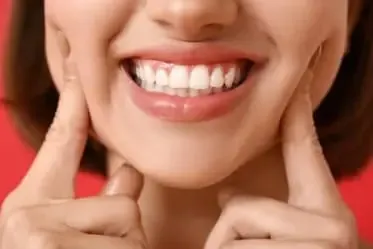
A healthy smile can boost your self-esteem and positively influence social interactions and mental health. People with healthy, attractive smiles are often perceived as more confident, approachable, and successful. This perception can lead to improved personal and professional relationships. In addition, feeling good about your smile can enhance your overall sense of well-being and contribute to a positive self-image. Therefore, taking care of your oral health is not only important for physical health, but also for psychological and social well-being (Newton, 2012).
Oral health professionals: Your allies in well-being
Dental professionals play a fundamental role in maintaining your oral health. Here is how they can help:
The role of the dentist in preventing oral diseases
Regular dental visits are essential for the early detection and prevention of oral diseases. Dentists can identify problems before they worsen and offer treatments to prevent further damage. They also provide professional cleanings that remove plaque and tartar, which cannot be eliminated through regular brushing and flossing. In addition, dentists can provide education and guidance on proper oral hygiene practices and recommend products that can help maintain your oral health (American Dental Association, 2021).
Specialized Dental Services: Orthodontics, Endodontics, and More
Specialized services address specific dental problems, ensuring comprehensive care for your oral health needs. Orthodontists specialize in correcting misaligned teeth and jaws using braces, aligners, and other devices. Endodontists focus on treating the interior of the tooth, particularly problems related to the dental pulp and root canals. Periodontists treat gum disease and other conditions affecting the supporting structures of the teeth. Prosthodontists specialize in restoring and replacing teeth with dentures, bridges, and implants. Consulting these specialists ensures that you receive the most appropriate and effective treatments for your dental needs (American Dental Association, 2021).
Daily actions to promote oral health at home
Daily habits are crucial for maintaining good oral health. Here is what you can do at home to keep your mouth healthy:
Oral hygiene products recommended by professionals
Using the right products can make a significant difference in your oral health. Dentists recommend fluoride toothpastes to strengthen enamel and prevent cavities. Antibacterial mouthwashes can help reduce plaque and gingivitis. Electric toothbrushes are generally more effective at removing plaque than manual ones. Dental floss or interdental brushes should be used daily to clean between teeth. In addition, tongue scrapers can help remove bacteria and freshen breath. Consulting with your dentist can help you choose the best products for your specific needs (Marinho, et al., 2013).
Fluoride and dental sealants: Are they really necessary?
Fluoride and sealants play a crucial role in preventing cavities, especially in children and individuals at higher risk of tooth decay. Fluoride helps strengthen tooth enamel, making it more resistant to acid attacks from plaque bacteria and sugars. It can be found in toothpastes, mouthwashes, and professional treatments. Dental sealants are thin coatings applied to the chewing surfaces of the back teeth, where most cavities in children occur. They provide a physical barrier that protects enamel from plaque and acids. Both fluoride and sealants are effective preventive measures that can significantly reduce the risk of tooth decay (American Dental Association, 2021).
Debunking myths about dental care
There are many misconceptions about dental care. Let us clarify the facts to make sure you have the correct information:
Truths and myths about oral health that you should know
Understanding the facts can help you make informed decisions about your oral health care. Common myths include the belief that brushing harder cleans better, that only sugary foods cause cavities, and that you only need to visit the dentist when you have a problem. In reality, gentle brushing is more effective and less harmful to the gums, all types of carbohydrates can contribute to the development of cavities, and regular dental visits are crucial for preventive care (Moynihan and Kelly, 2014).
Can natural remedies improve your oral health?
Although some natural remedies may support oral health, they should complement, not replace, traditional dental care. For example, oil pulling with coconut oil may reduce bacteria, and green tea has antibacterial properties that benefit oral health. However, these remedies should be used alongside regular brushing, flossing, and professional dental care. It is important to consult with your dentist before trying new remedies to ensure they are safe and effective for your specific needs (Spear, et al., 2007).
Maintaining good oral health is essential for your overall well-being. By understanding its importance and applying effective strategies, you can ensure a healthy and beautiful smile that lasts a lifetime. Regular dental visits, a balanced diet, proper oral hygiene practices, and staying informed about new advances in dental care can help you achieve and maintain optimal oral health. Investing in your oral health today can lead you to a healthier and happier future.
References
American Academy of Pediatric Dentistry. (2020).Guidelines for Pediatric Dental Care. Chicago: AAPD.
American Dental Association. (2021).Oral Health Topics. Retrieved from https://www.ada.org/en/member-center/oral-health-topics
Ferracane, J. L. (2011). Resin composite: State of the art.Dental Materials, 27(1), 29-38. https://doi.org/10.1016/j.dental.2010.10.020
Joda, T., and Brägger, U. (2016). Digital versus conventional implant prosthodontic workflows: A cost/time analysis.Clinical Oral Implants Research, 27(11), 1401-1406. https://doi.org/10.1111/clr.1272
Moynihan, P., and Kelly, S. (2014). Effect of restricting sugars intake on dental caries: a systematic review to inform WHO guidelines. Journal of Dental Research, 93(1), 8-18. https://doi.org/10.1177/0022034513508954