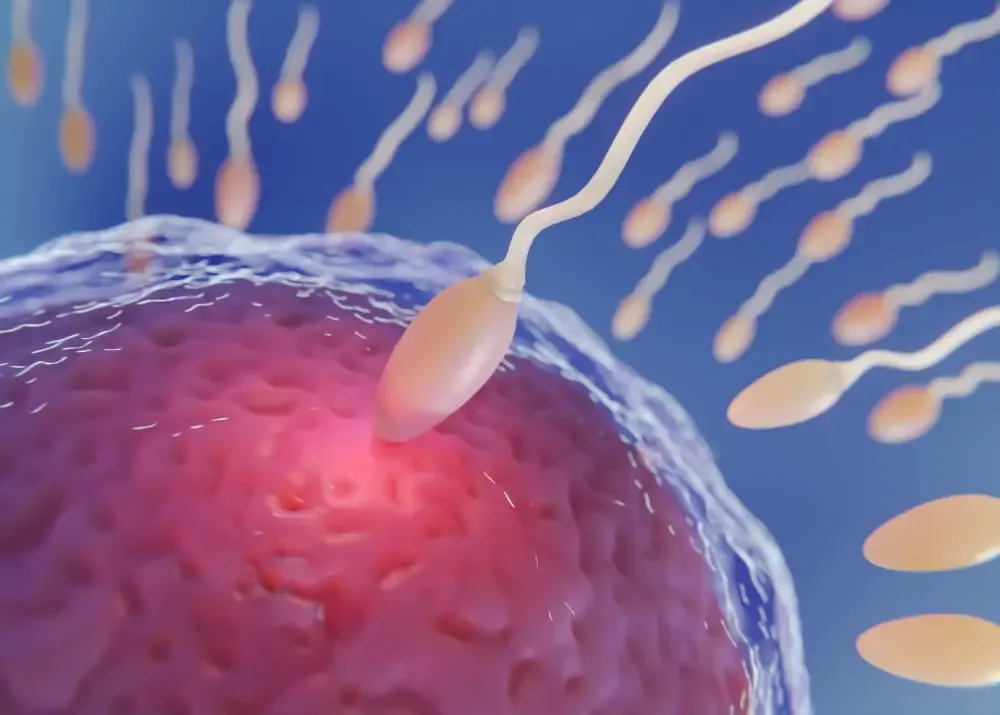
In vitro fertilization (IVF) is a highly complex medical procedure designed to help people who have difficulty conceiving. This process involves the fertilization of an egg by a sperm cell outside the woman's body, in a controlled laboratory environment, followed by the transfer of the resulting embryo to the uterus to initiate a pregnancy.
What are the steps of in vitro fertilization? How does IVF work?
IVF involves several meticulous steps that begin with ovarian stimulation and end with the transfer of the embryo to the uterus.
Step 1: Stimulation, also called superovulation
The first step in the IVF process is ovarian stimulation, in which hormonal medications are administered to the woman to stimulate her ovaries to produce multiple mature eggs, rather than just one, as occurs in a normal menstrual cycle. This step is crucial for increasing the chances of success.
Step 2: Egg retrieval
Once the eggs are mature, they are extracted through a minor surgical procedure called follicular aspiration. This is performed under anesthesia and guided by ultrasound, ensuring precision in the collection of the eggs.
Step 3: Insemination and fertilization
In the laboratory, the collected eggs are combined with sperm from the donor or partner. Fertilization can occur naturally in a Petri dish (a basic laboratory element used for microscope observation) or through intracytoplasmic sperm injection (ICSI), which involves injecting a single sperm directly into each egg.
Step 4: Embryo culture
After fertilization, the embryos are cultured in the laboratory for several days while specialists monitor their development. This process allows the selection of embryos with the greatest potential for success before transfer.
Step 5: Embryo transfer
Finally, one or more selected embryos are transferred to the woman's uterus. This is a simple and generally painless procedure. If the embryo successfully implants in the lining of the uterus, a pregnancy begins.
Fertility has new possibilities
Schedule your consultation with experts who care for you in Medellín
In vitro fertilization: advantages and disadvantages
IVF offers several advantages, such as the possibility of having a biological child when other methods have failed, and the option of pre-implantation genetic selection to prevent hereditary diseases. However, it also has disadvantages, including high cost, emotional stress, and possible side effects from ovarian stimulation.
Are there risks in the in vitro fertilization process?
As with any medical procedure, IVF carries certain risks. These include ovarian hyperstimulation syndrome, multiple pregnancies, and, in rare cases, infectious complications or adverse reactions to medications.
What is the difference between artificial insemination and in vitro fertilization?
Although both are treatments for infertility, the main difference lies in where fertilization takes place.In artificial insemination, sperm is placed directly into the uterus during ovulation, with the hope that fertilization will occur naturally inside the body. In IVF, fertilization takes place outside the body, in a laboratory.
Does IVF work for everyone?
IVF is not effective in all cases. Its success depends on factors such as the woman's age, the quality of the eggs and sperm, and the cause of infertility. A comprehensive medical evaluation is essential to determine whether IVF is appropriate in each case.
Preparation for the procedure
Preparing for IVF involves a series of medical evaluations, lifestyle adjustments, and sometimes psychological support. It is essential to follow medical instructions to the letter in order to maximize the chances of success.
At MDE Care, we offer comprehensive support to international patients seeking fertility treatments in Medellín. From the initial consultation through postoperative recovery, we provide personalized services to ensure a comfortable and satisfying experience on your journey to parenthood.