An ectopic pregnancy is a complex situation in which a fertilized egg implants and grows outside the uterus, most commonly in the fallopian tubes. This condition prevents the normal development of the pregnancy, making it impossible for it to progress as a normal pregnancy would. Proper care is crucial to avoid serious complications.
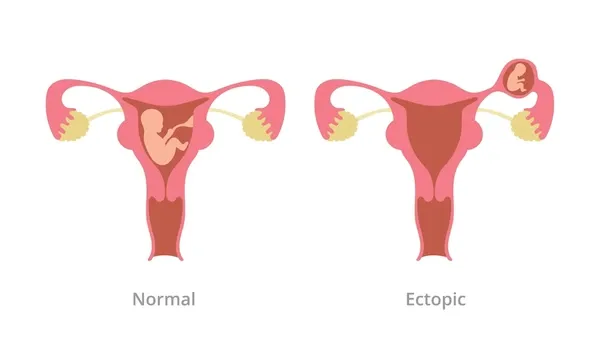
If an ectopic pregnancy is left undiagnosed and untreated, it can cause internal bleeding, putting the mother's life at risk. This is because the cervix and fallopian tubes are not designed to accommodate the growth of an embryo, which can eventually lead to rupture, causing severe pain and bleeding.
Medical solutions within your reach
Discover how to take better care of yourself with our treatments in Medellín
Symptoms of an ectopic pregnancy
The symptoms of an ectopic pregnancy can vary, but they generally include pelvic pain, breast tenderness, and vaginal bleeding. These symptoms are not exclusive to this condition, but when combined with other signs, they may indicate its presence. It is vital to pay attention to these symptoms, especially if you have had previous problems with your fallopian tubes or difficulty getting pregnant. If you experience sharp pain in the lower abdomen or any other symptom of an ectopic pregnancy, it is essential to contact your doctor as soon as possible to ensure your health and well-being.
Emergency symptoms
If you experience symptoms such as sudden, sharp abdominal pain, extreme dizziness, or fainting, it could indicate a ruptured fallopian tube, a potentially life-threatening situation that requires immediate medical attention. These emergency signs are an indication that the ectopic pregnancy has progressed without the necessary treatment, which could result in serious complications.
Risk factors associated with ectopic pregnancy
Certain conditions and prior situations related to your fallopian tubes can increase the risk of developing an ectopic pregnancy. These include a history of infections in your tubes, previous surgeries in the pelvic or abdominal area, and fertility treatments. Understanding these risk factors is crucial for the prevention and early diagnosis of this condition.
Why does an ectopic pregnancy occur?: main causes
An ectopic pregnancy occurs when the fertilized egg fails to travel properly to the uterus and implants outside of it, often in the fallopian tubes. This situation can result from inflammation of the tubes, scarring due to a previous infection or surgery, pelvic inflammatory disease, and the use of fertility treatments. Sexually transmitted infections, such as chlamydia, can also cause inflammation and scarring in the fallopian tubes, increasing the risk of an ectopic pregnancy.
Factors that increase the likelihood of an ectopic pregnancy
Women with a history of surgeries on their fallopian tubes, fertility treatments, or medical conditions that affect the health of their tubes are at greater risk of experiencing an ectopic pregnancy. Being aware of these factors and consulting your doctor regularly can help identify and mitigate the associated risks.
Diagnosis: How do I know if I have an ectopic pregnancy?
At first, an ectopic pregnancy may resemble a normal pregnancy, with symptoms such as a missed period, breast tenderness, and nausea. However, there are specific signs that may indicate an ectopic pregnancy:
- Feeling of weakness, dizziness, or fainting: These symptoms may indicate that the ectopic pregnancy has caused a rupture of the fallopian tube, resulting in internal bleeding, which can be a medical emergency.
- Abdominal or pelvic pain: One of the first symptoms of an ectopic pregnancy is a sharp or stabbing pain in the abdomen or pelvis, usually on one side. This pain may come and go or be continuous and worsen over time.
- Abnormal vaginal bleeding: Although it does not always occur, vaginal bleeding is common in an ectopic pregnancy. It may be lighter or darker than normal menstrual flow, and is sometimes mistaken for an irregular period.
- Shoulder pain: Shoulder pain, especially when lying down, can be a sign that the ectopic pregnancy has caused internal bleeding that irritates the nerves leading to the shoulder.
If you have symptoms that could suggest an ectopic pregnancy, it is important to seek medical attention immediately. The diagnosis generally includes:
- Physical examination: Your doctor will evaluate your symptoms and perform a physical examination to identify signs of pain or tenderness in the abdomen.
- Transvaginal ultrasound: This is the most common and effective test for diagnosing an ectopic pregnancy. A transducer is inserted into the vagina to obtain detailed images of the reproductive organs. If the pregnancy is located outside the uterus, usually in a fallopian tube, it can be visualized on the ultrasound.
- Blood test to measure hCG levels: Human chorionic gonadotropin (hCG) is a hormone produced during pregnancy. In a normal pregnancy, hCG levels rise rapidly. If hCG levels are lower than expected or do not increase as they should, this may be an indication of an ectopic pregnancy or an abnormal pregnancy.
- Laparoscopy: In some cases, if the diagnosis is not clear with non-invasive tests, the doctor may recommend a laparoscopy. This surgical procedure allows direct visualization of the reproductive organs using a small camera inserted through an incision in the abdomen. If an ectopic pregnancy is confirmed, the doctor can treat it during the same surgery.
Ultrasound and transvaginal ultrasound in diagnosis
Transvaginal ultrasound is an essential diagnostic tool for identifying an ectopic pregnancy, providing a detailed view of the fallopian tubes and uterus to detect the exact location of the embryo. This technique is particularly useful for confirming early diagnosis and preventing the possibility of internal hemorrhage.
Your health deserves immediate attention
Manage complications such as ectopic pregnancy with the guidance of our specialists
How many weeks can an ectopic pregnancy progress?
An ectopic pregnancy is generally detected and diagnosed between 6 and 10 weeks of gestation, although this can vary. However, an ectopic pregnancy rarely progresses beyond 10-12 weeks, as the embryo grows in a location not designed to support a pregnancy, such as a fallopian tube.
As the embryo grows, it can cause the fallopian tube to rupture, which is a medical emergency requiring immediate attention. For this reason, it is crucial to identify and treat an ectopic pregnancy as soon as possible to avoid serious complications.
If I have an ectopic pregnancy, can the test come back negative?
Although it is rare, it is possible to get a negative result on a pregnancy test if you have an ectopic pregnancy, especially if the test is performed very early. This is because hormone levels can vary significantly when the pregnancy develops outside the uterus. If you suspect an ectopic pregnancy due to symptoms or prior issues, it is important to seek medical advice even if the pregnancy test is negative.
After an ectopic pregnancy, can I get pregnant again?
Yes, it is possible to become pregnant again after an ectopic pregnancy. However, the risk of having another ectopic pregnancy may be higher, especially if there is damage to the fallopian tubes or if other risk factors are present.
It is important to speak with a fertility specialist to evaluate your individual situation, discuss possible treatments or procedures that may improve your chances of having a healthy pregnancy, and determine the best time to try to conceive again. With proper care and, if necessary, fertility treatments, many women can achieve a successful pregnancy after an ectopic pregnancy.
Is it possible to avoid or prevent an ectopic pregnancy?
It is not always possible to prevent an ectopic pregnancy, but there are measures that can be taken to reduce the risk:
- Treatment of infections: Pelvic infections, such as pelvic inflammatory disease (PID), can damage the fallopian tubes. Treating these infections in a timely manner can help reduce the risk of ectopic pregnancy.
- Avoiding smoking: Smoking is associated with a higher risk of ectopic pregnancy, as it can affect the function of the fallopian tubes. Quitting smoking can reduce this risk.
- Managing risk factors: If you have had a previous ectopic pregnancy, surgeries on the fallopian tubes, or medical conditions that may affect the anatomy of the tubes, it is important to remain in close contact with a healthcare professional when trying to become pregnant again.
- Early monitoring: If you are at risk of an ectopic pregnancy, your doctor may recommend early monitoring during pregnancy, such as ultrasounds and blood tests, to ensure that the pregnancy is located in the uterus.
Although it cannot be completely prevented, being aware of risk factors and taking steps to maintain good reproductive health can help reduce the chances of an ectopic pregnancy.