Participating in sports activities - whether on school teams, clubs, or recreational leagues - is an excellent way for children and adolescents to stay active, build confidence, and learn teamwork. But before any young athlete gets into action, there is a fundamental step that should not be skipped: the sports physical exam.
At MDE Care, we help families and international patients schedule their sports physical exams with trusted doctors in Colombia, ensuring that young people are healthy and ready to perform at their best.
In this article, we explain what a sports physical exam is, who needs one, what to expect during the appointment, and why it is so important for your child's health and athletic success.
What is a sports physical exam?
A sports physical exam, also known as a preparticipation physical evaluation (PPE), is a medical review designed to determine whether a child or adolescent is fit to safely participate in a sport.
The goal is to detect possible health problems or risk factorsthat could affect their performance or cause injuries during physical activity.
Why are sports physical exams important?
It is not just a formality. Sports physical exams serve a key role in:
- Detecting hidden health problems, such as asthma or cardiac conditions.
- Preventing injuries through musculoskeletal evaluation.
- Verifying that existing medical conditions are under control.
- Obtaining the medical clearance required by many schools or sports leagues.
- Reviewing vaccinations and overall health status.
Even if your child appears to be healthy, this type of exam can help identify risks early and give you peace of mind before the season begins.
Who needs a sports physical exam?
Generally, this exam is required for:
- Children and adolescents who participate in school sports.
- Student athletes who join competitive clubs or leagues.
- Anyone beginning a new physical activity program.
Many institutions require a form signed by a healthcare professional before allowing participation.
Tip: Even if it is not mandatory, having this exam done every year is a good practice for monitoring your child's growth and physical condition.
What to expect during a sports physical exam?
A typical sports physical exam is quick and non-invasive. It usually includes two parts:
1. Medical history review
At this point, the doctor will ask about:
- Previous illnesses and surgeries.
- Chronic conditions (asthma, diabetes, epilepsy).
- Allergies
- Previous episodes of fainting, chest pain, or difficulty breathing during exercise.
- Family history of heart problems or sudden death.
- Medications or supplements the patient is taking.
This part is usually completed with the help of a parent or guardian, especially if the patient is a young child.
2. Physical examination
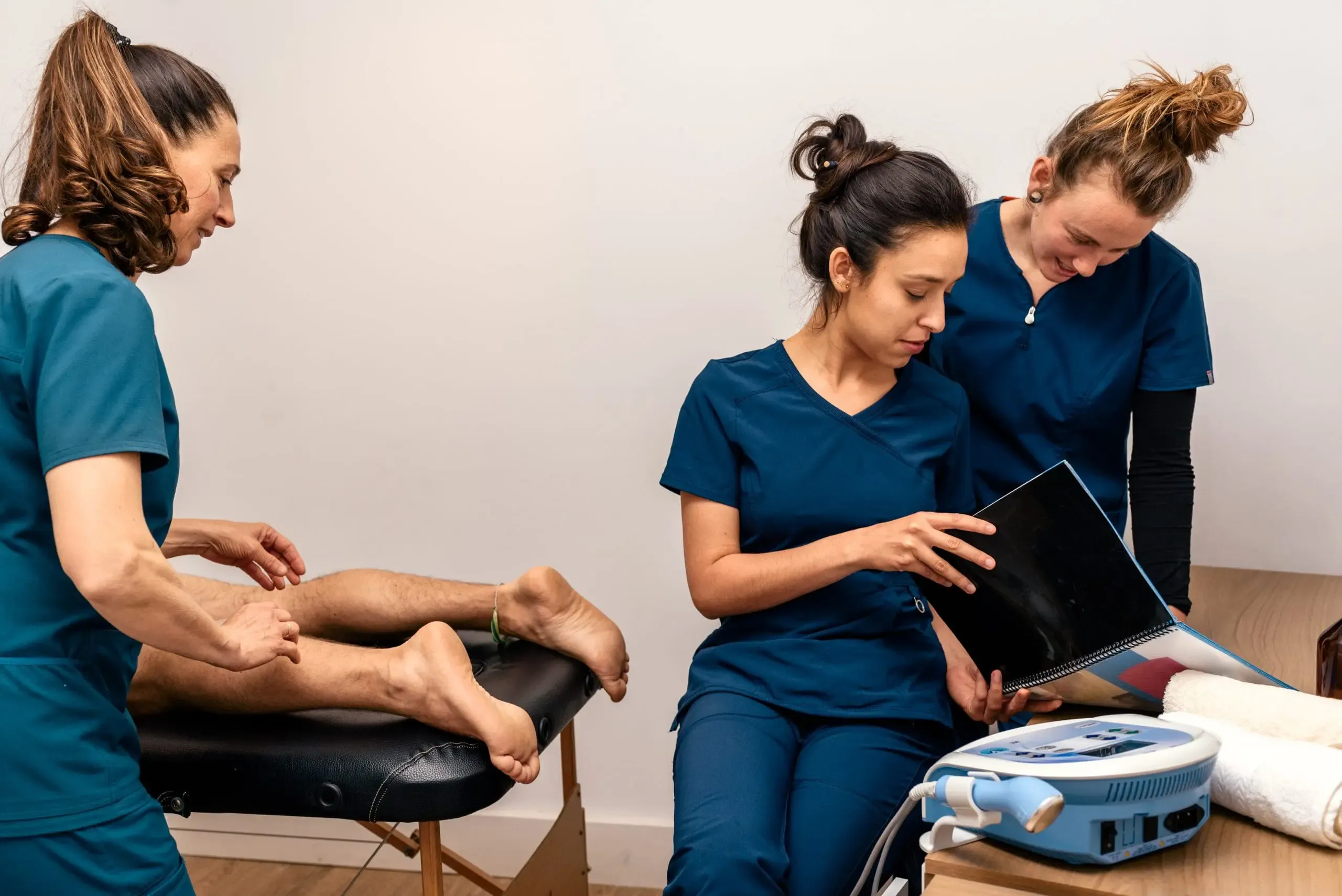
The physical checkup includes:
- Height and weight measurement.
- Blood pressure and heart rate review.
- Auscultation of the heart and lungs.
- Abdominal examination.
- Vision test.
- Assessment of joints, strength, flexibility, and posture.
In some cases, if warning signs are detected, additional tests such as an electrocardiogram (ECG) or a referral to a specialist may be recommended.
How does a sports physical differ from an annual medical checkup?
Although both are important, they serve different purposes:
Sports physical
Annual medical checkup
Evaluates fitness to participate in sports
Evaluates overall health and development
Includes musculoskeletal and cardiac evaluation
Reviews vaccinations, growth, and long-term health
Required before the sports season
Recommended every year as preventive care
Recommended every year as preventive care
Typically includes more comprehensive lab work and tests
For maximum benefit, consider combining both exams in a single visit. At MDE Care, we can help you coordinate a comprehensive evaluation tailored to your child's needs.
When should you schedule a sports physical?
Ideally, it should be done 6 to 8 weeks before the sports season begins. This allows time to:
- Complete additional tests if necessary.
- Address any issues that are found.
- Submit forms on time.
At MDE Care, we offer flexible scheduling, short wait times, and English-speaking staff to make the process easy, both for local families and medical tourists.
What should you bring to the sports physical?
Before the appointment, make sure to bring:
- Forms required by the school or league.
- The child's medical history.
- List of current medications or supplements.
- Vaccination record.
- Comfortable clothing for mobility tests.
We will make sure everything is completed, signed, and ready to submit.
Sports physicals with MDE Care: Why choose us?
At MDE Care, we work with the best pediatricians and sports medicine physicians in Colombia to provide high-quality sports physicals in a safe and reliable setting. Whether you live in the country or are visiting, we take care of every detail for you.
Why do families choose MDE Care?
- Easy and fast scheduling.
- English-speaking doctors and staff.
- Up-to-date forms for international schools and leagues.
- Affordable rates for private or international patients.
- Coordinated care at the best private medical centers in Medellín.
Frequently asked questions about sports physicals
How long does a sports physical take?
They usually last between 20 and 30 minutes. If follow-up tests are needed, they may take longer.
Can authorization to play sports be denied?
If a potential health risk is detected, the doctor may recommend additional tests or treatments before giving the go-ahead.
Can I use a form from another country?
MDE Care ensures that the forms comply with local and international standards. Please let us know in advance about the requirements of your destination or league.
Keep your athlete safe and ready to compete with MDE Care
Sports are a great opportunity for children and teenagers to grow, push their limits, and have fun. But their health must always be the priority. A sports physical exam ensures that your child is ready to play with confidence and safety.
At MDE Care we are here to support you every step of the way, offering accessible and reliable medical care in Colombia, from the first exam to follow-up with specialists.