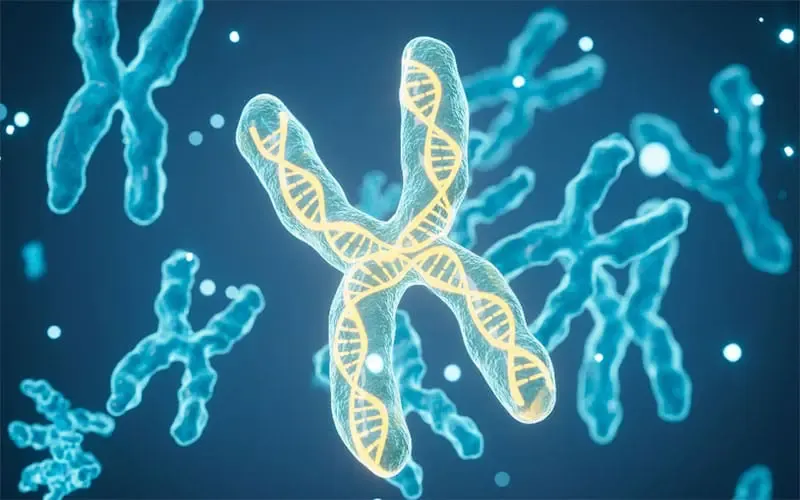
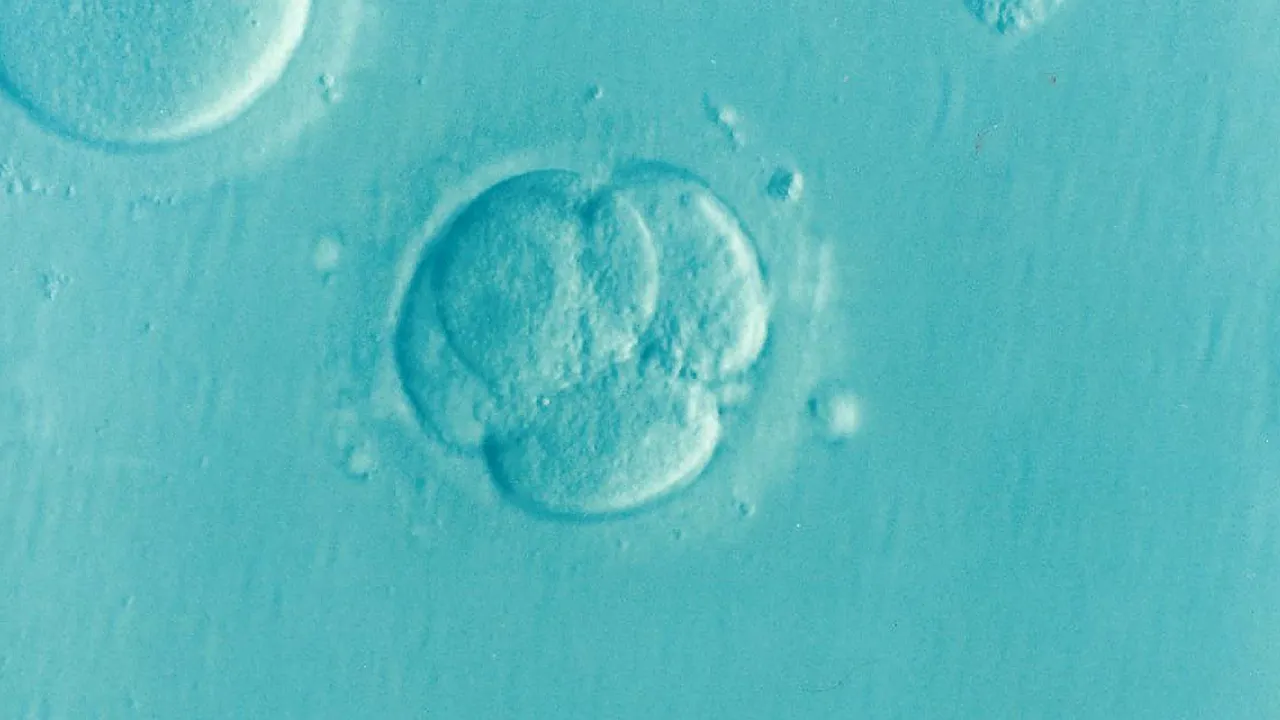
The embryonic development is a fascinating process that marks the beginning of life. During this process, a fertilized egg evolves into a fully developed organism. Through several well-defined stages, the embryo undergoes crucial transformations that lay the foundation for the development of the body's organs and systems.
What is embryonic development?
Embryonic development is the series of biological changes that occur from fertilization to birth. This process begins when a sperm fertilizes an egg, forming a cell called a zygote. From there, the zygote divides and differentiates into more complex structures, ultimately forming a multicellular organism. It is a vital process that ensures all species reproduce effectively.
What are the stages of embryonic development?
Embryonic development is divided into several key stages, each with specific characteristics and functions. These stages include fertilization, the zygote, the morula, the blastocyst, organogenesis, and finally, fetal development.
Fertilization

Fertilization is the first step in embryonic development, in which the sperm penetrates the egg, giving rise to a new cell called a zygote. This crucial event establishes the genetic material of the new individual.
Zygote

The zygote is the first cell of the new being. After fertilization, the zygote begins to divide by mitosis, forming a cluster of cells that will later become an embryo.
Morula
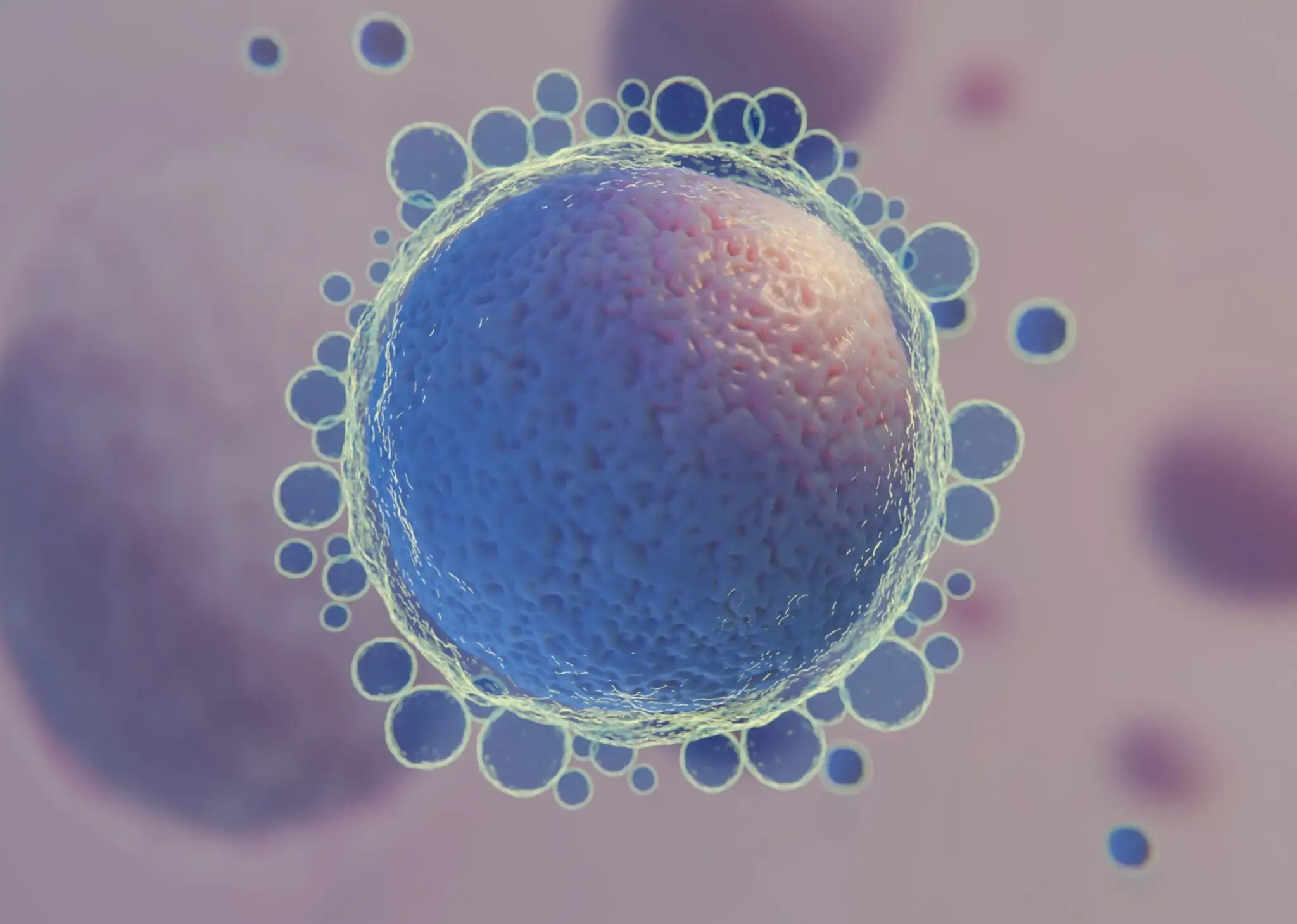
The morula is an early stage of embryonic development, characterized by a solid ball of cells. This stage is fundamental, as the morula will transform into a blastocyst, which will implant in the uterus.
Blastocyst
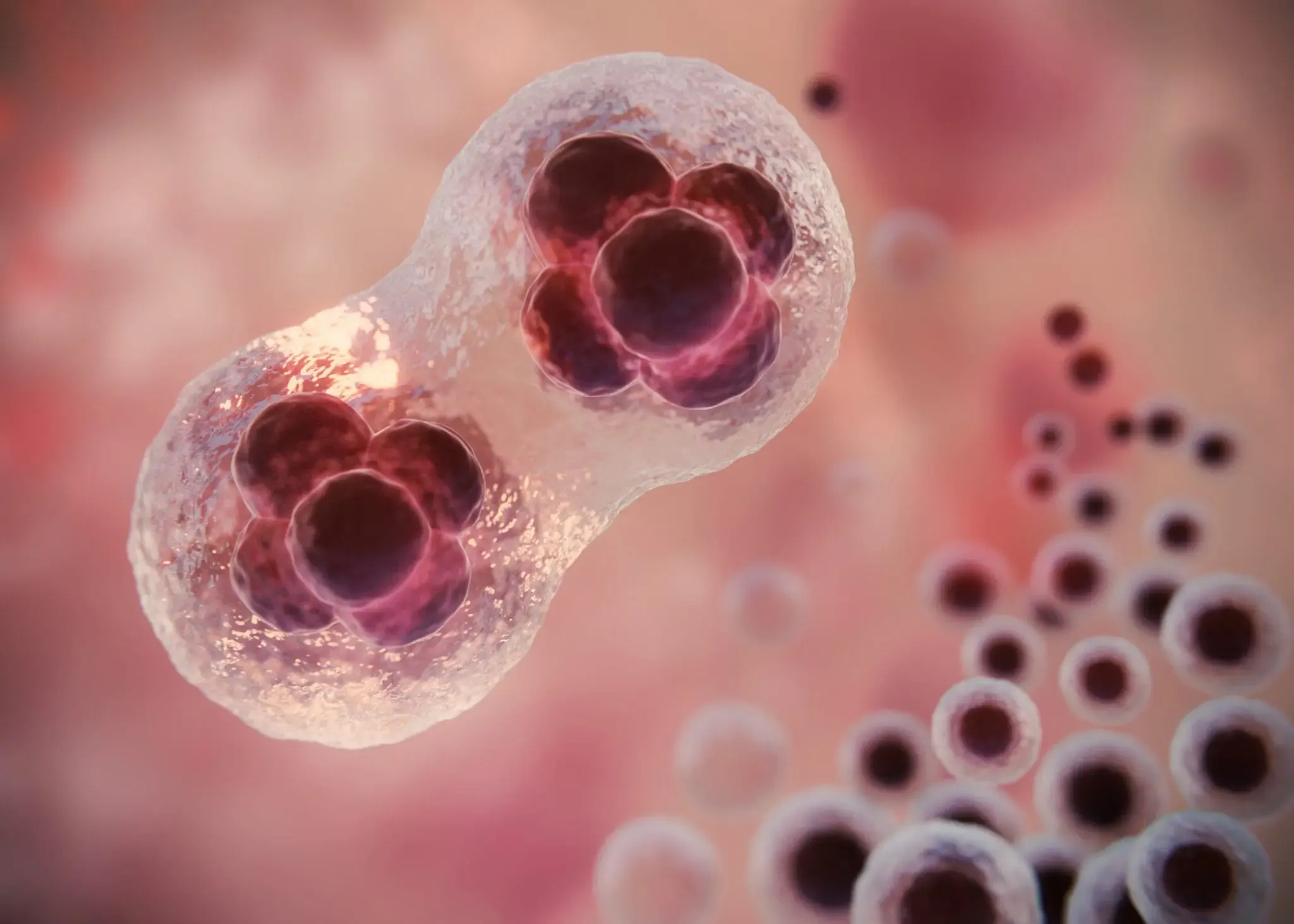
The blastocyst is a structure formed by an outer layer of cells and a fluid-filled cavity. It will implant in the uterine lining, where it will begin to develop as an embryo.
Organogenesis
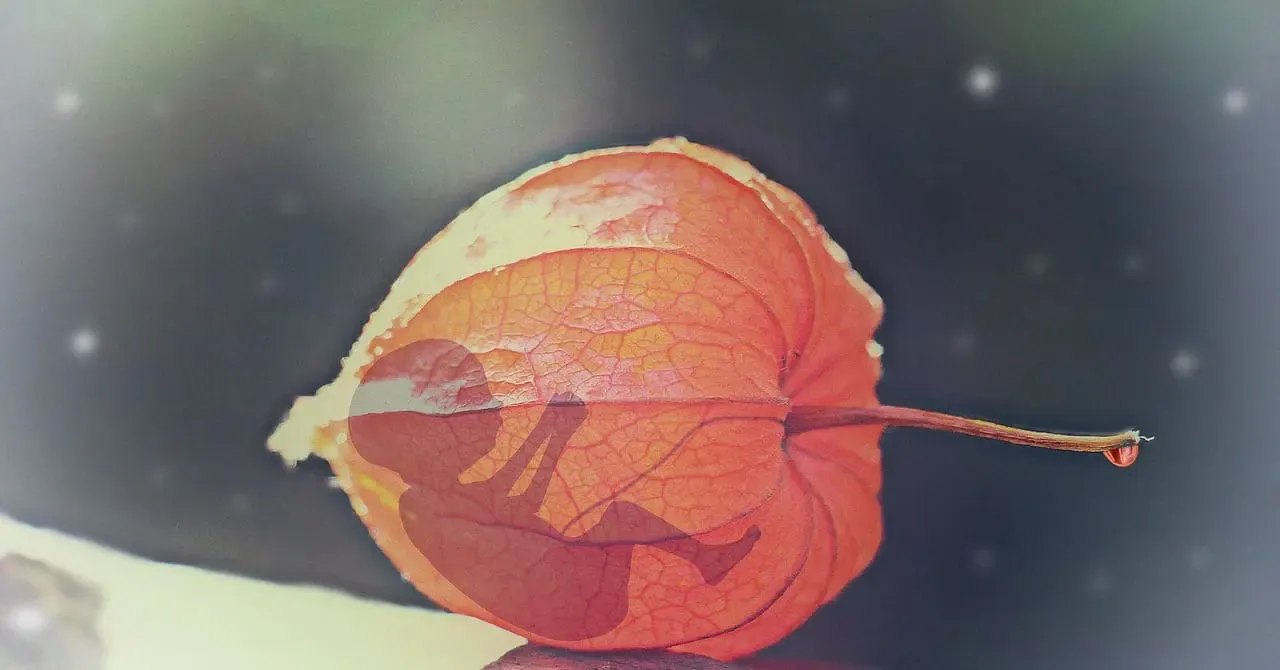
Organogenesis is the phase in which the main organs of the body are formed. During this stage, the cell layers differentiate to form the heart, lungs, brain, and other vital organs.
Fetal development

Fetal development is the final phase, in which the embryo becomes a fetus and the organs begin to mature. Throughout this phase, the fetus grows and prepares for birth.
What are the types of embryonic development?
There are two main types of embryonic development: direct and indirect, each with its own characteristics and evolutionary adaptations.
Direct embryonic development
In direct development, the embryo transforms into a juvenile form that closely resembles the adult. It is common in animals such as mammals.
Indirect embryonic development
Indirect development involves metamorphosis, in which the embryo passes through one or more larval stages before reaching the adult form. This type of development is typical in species such as amphibians and insects.
Importance of embryonic development
Embryonic development is crucial because it determines the correct formation of all body systems. Any disruption in this process can have significant consequences for the health of the organism.
Factors affecting embryonic development
Various factors can influence embryonic development, from genetics to the environment. It is vital that the embryo develops in an optimal environment to prevent malformations or complications.
Tests during embryonic development
Tests during embryonic development are essential to ensure a healthy pregnancy. These check-ups allow fetal development to be monitored and any abnormalities to be detected early.
Frequency of medical consultations
The frequency of medical consultations varies depending on the risk level of the pregnancy, but periodic check-ups are generally recommended to ensure proper development. MDE Care, specialized in medical tourism in Medellín, offers comprehensive support throughout the entire pregnancy process, facilitating access tofertilization processes, high-quality tests and consultations.