In the complex world of hormones, understanding what progesterone is is fundamental, as it stands out as one of the most important hormones, especially in women's health. Although it is primarily known for its role in the menstrual cycle and pregnancy, knowing what it is and what its functions are is key to understanding its influence on the human body. Its impact extends to various areas of health, including immune system regulation, weight control, bone health, and mental well-being. For example, knowing what progesterone is and how it helps balance the effects of estrogen is crucial for preventing conditions such as endometrial cancer. In addition, this hormone can influence mood and sleep quality, playing a role in the prevention of disorders such as anxiety and depression.
What Is Progesterone?
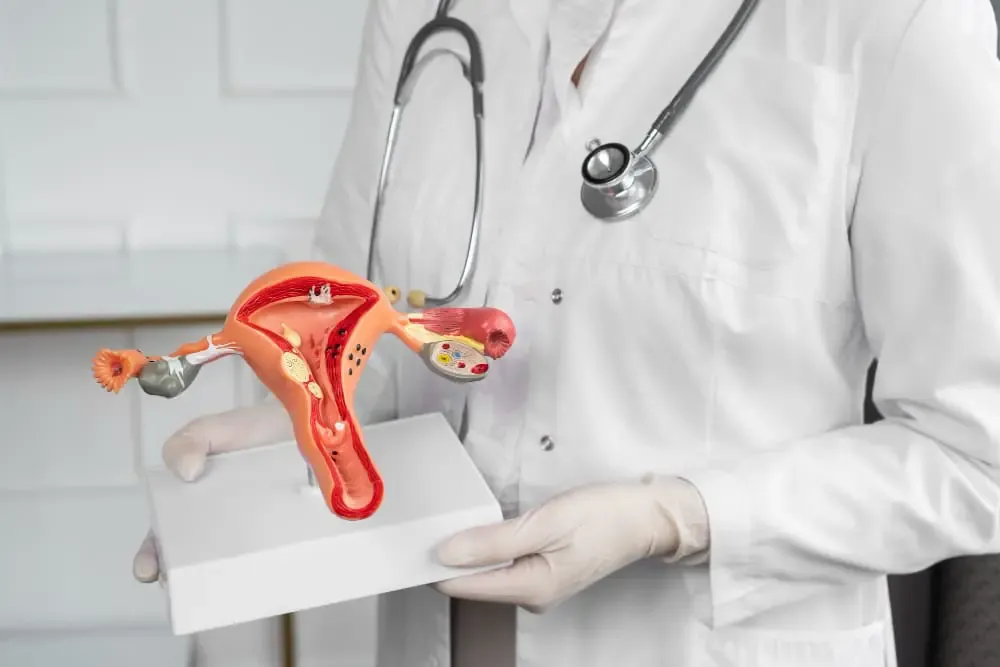
Progesterone is a steroid hormone produced mainly in the ovaries after ovulation. It is also produced in smaller amounts in the adrenal glands and, during pregnancy, in the placenta. Its primary function is to prepare the body for a possible pregnancy after ovulation, but its impact extends to various areas of health.
Main Functions of Progesterone
Progesterone plays a crucial role in several biological functions:
- Regulation of the menstrual cycle: After ovulation, progesterone levels rise to prepare the lining of the uterus (endometrium) for the possible implantation of a fertilized egg. If pregnancy does not occur, progesterone levels drop, leading to menstruation.
- Support of pregnancy: During pregnancy, progesterone keeps the uterine lining healthy, preventing early uterine contractions and helping to sustain the pregnancy.
- Other effects on the body: Progesterone also affects the immune system, mood, fluid retention, and plays a role in the health of the skin and hair.
Progesterone in Assisted Reproduction
In fertility treatments, progesterone is commonly used to prepare the uterus and support early pregnancy. It is administered in various forms, such as suppositories, injections, or vaginal gels, depending on the patient's needs. Its administration is crucial to increasing the chances of success in procedures like in vitro fertilization (IVF).
Hormonal Imbalances Related to Progesterone
Low Progesterone:
- Symptoms: Irregular periods, difficulty conceiving, weight gain, depression, and changes in libido.
- Causes: It can be caused by polycystic ovary syndrome (PCOS), perimenopause, chronic stress, or a poor diet.
- Symptoms: Irregular periods, difficulty conceiving, weight gain, depression, and changes in libido.
- Causes: It can be caused by polycystic ovary syndrome (PCOS), perimenopause, chronic stress, or a poor diet.
- Treatment:
- Hormonal supplements: These may include bioidentical progesterone, available in the form of capsules, creams, or vaginal suppositories. These supplements help balance hormone levels.
- Dietary changes: It is recommended to increase consumption of foods rich in vitamin B6 (bananas, spinach), zinc (lean meat, legumes), and magnesium (nuts, seeds). In addition, reducing caffeine and refined sugar intake can be beneficial.
- Stress reduction: Techniques such as meditation, yoga, regular exercise, and good sleep hygiene are crucial for maintaining balanced hormone levels. Chronic stress can lower progesterone levels, so it is important to manage stress effectively.
High Progesterone:
- Symptoms: Fatigue, drowsiness, bloating, and breast tenderness.
- Causes: Although rare, it can result from excessive supplementation or certain medical conditions.
- Treatment:
- Adjustment of hormone levels under medical supervision: This process includes reducing or adjusting the dose of progesterone supplements under the guidance of an endocrinologist or gynecologist. It may also involve reviewing other medications the patient is taking, as some may interact with progesterone.
Tests to Detect Progesterone Problems
To diagnose hormonal problems related to progesterone, there are several tests:
- Blood test: This is the most common method and is non-invasive. It is generally performed in the second half of the menstrual cycle, when progesterone levels should be at their highest. This test can diagnose problems such as luteal insufficiency, which is a common cause of infertility.
- Transvaginal ultrasound: Although more invasive, it is used to evaluate the health of the endometrium and ovulation. This test can help diagnose conditions such as polycystic ovary syndrome (PCOS), a condition in which the ovaries produce an abnormally high amount of androgens, which can affect ovulation and progesterone levels.
- Endometrial biopsy: This procedure is invasive and is used in specific cases to evaluate the uterine lining and determine the cause of hormonal problems, such as the presence of endometrial hyperplasia or endometrial cancer.
Who can perform these tests?
These tests can be requested and performed by gynecologists, endocrinologists, and/or physicians specializing in reproductive health. The results can diagnose everything from ovulation problems to more serious conditions such as PCOS (Polycystic Ovary Syndrome), a condition in which the ovaries have multiple small cysts, which can affect progesterone production and other hormonal processes.
Diet that benefits progesterone production
Some foods can help improve progesterone production naturally:
- Nuts and seeds: Rich in vitamin E, which supports hormonal health.
- Zinc-rich foods: Such as lean meats, legumes, and seeds, they help regulate hormonal functions.
- Vitamin B6: Found in bananas, spinach, and potatoes, it is essential for progesterone production.
- Essential fatty acids: Found in fish, avocados, and walnuts, they help maintain a healthy hormonal balance.
- Magnesium-rich foods: Such as almonds, spinach, and dark chocolate, also play a key role in hormonal regulation.
Frequently Asked Questions about Progesterone
How does progesterone affect mood?
Progesterone can influence mood, as it affects the production of neurotransmitters such as serotonin.
Can I increase my progesterone levels naturally?
Yes, through diet, exercise, and stress reduction, you can support the natural production of progesterone.
What happens if I have low progesterone during pregnancy?
It can increase the risk of miscarriage, so medical supervision is recommended and, in some cases, supplementation.