
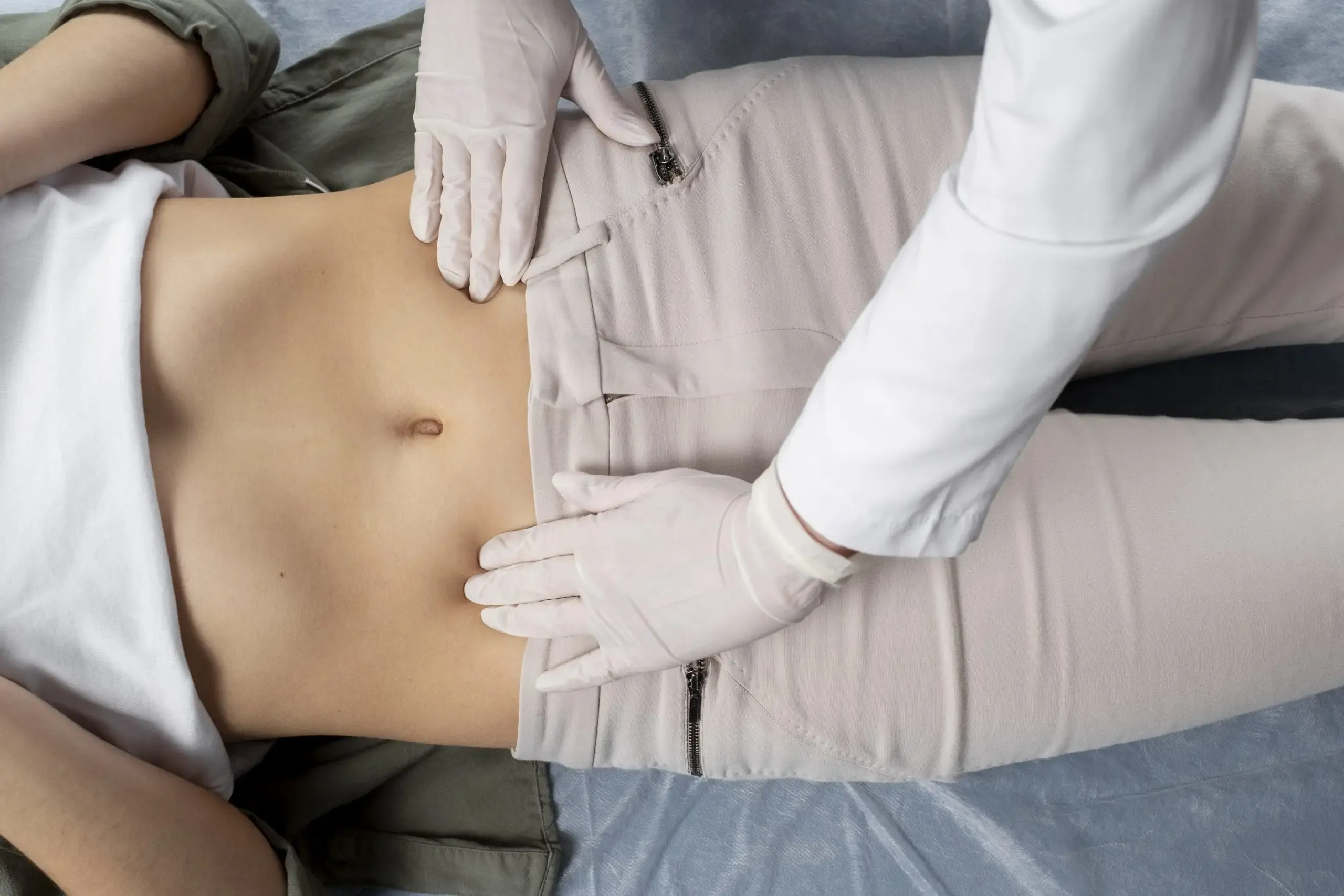
Coloproctology is the medical field that focuses on the diagnosis and treatment of diseases of the colon, rectum and anus. The word itself explains its scope: «colo» refers to the colon, «procto» to the rectum, and «-logy» means the study of, so coloproctology is the science of the lower digestive tract. It is also commonly called colorectal surgery or proctology. Although it can feel like an uncomfortable subject, these areas of the body carry out essential functions in digestion, waste elimination and overall quality of life, which is why timely care matters. We understand the sensitivity of these consultations, and our colorectal specialists offer compassionate, private and professional care backed by experienced general surgery in Medellín.
What does a coloproctologist do?
A coloproctologist, also known as a colorectal surgeon, diagnoses and treats conditions affecting the colon, rectum and anus using both clinical and surgical approaches. Their work ranges from managing common problems like hemorrhoids and anal fissures to performing complex surgeries for colon cancer. Because the digestive tract is interconnected, this specialty works closely with gastroenterology in Medellín for the non-surgical treatment of digestive diseases, with oncology in cases of colorectal or anal cancer, with radiology for diagnostic studies such as colonoscopy and endoanal ultrasound, with clinical nutrition for conditions like chronic constipation, and with pelvic floor physiotherapy for muscle weakness or postoperative rehabilitation.
What diseases does coloproctology treat?
Several conditions fall within this specialty, and recognizing them helps you understand when a coloproctologist is the right doctor to see.
Hemorrhoids
Hemorrhoids are inflamed veins in the anus or lower rectum that may bleed or cause pain. Treatment ranges from dietary changes to outpatient procedures, depending on severity. They are one of the most common reasons people consult a specialist.
Anal fissures
Anal fissures are small tears that appear when straining during bowel movements and cause sharp pain. They are often treated with creams or sitz baths, and surgery is reserved for severe cases that do not heal on their own.
Anal fistulas
Anal fistulas are abnormal connections between the rectum and the nearby skin, usually originating from a poorly healed infection. Treatment normally requires surgery to close the tract while protecting normal function.
Perianal abscesses
A perianal abscess is an accumulation of pus caused by an infected gland, producing pain and swelling. It is typically treated with outpatient drainage that provides quick relief.
Fecal incontinence
Fecal incontinence is a loss of sphincter control that can result from childbirth, previous surgery or neurological disorders. Management ranges from physiotherapy to surgery depending on the underlying cause.
Chronic constipation
Chronic constipation involves frequent difficulty or incomplete bowel movements. It requires a comprehensive evaluation that may include nutrition, intestinal transit studies and a personalized treatment plan rather than a single quick fix.
Crohn's disease and ulcerative colitis
These inflammatory bowel disorders can affect the rectum and colon. The coloproctologist works alongside the gastroenterologist to manage them, stepping in for surgical treatment when it becomes necessary.
Colon, rectal or anal cancer
For colorectal and anal cancers, early detection, biopsy sampling, oncological surgery and postoperative follow-up are essential. Working with an experienced oncology team improves outcomes and is one of the most important reasons not to delay an evaluation when warning signs appear.
Coloproctologist vs proctologist: what is the difference?
Many people use the terms coloproctologist and proctologist interchangeably, but there is an important distinction. A proctologist focuses on conditions of the anus and rectum, while a colorectal surgeon, the more complete term used in modern medicine, also treats diseases of the colon, performs complex digestive surgeries and coordinates care with oncology and gastroenterology. In practice, the term coloproctologist or colorectal surgeon reflects a broader, more comprehensive view of the digestive system.
Common procedures in coloproctology
Depending on the patient's condition, several procedures may be performed. Anoscopy and rectoscopy allow the specialist to visualize the anal canal and rectum, are done in the office and are quick and well tolerated. Hemorrhoid ligation places elastic bands to cut off blood flow to the hemorrhoids and is a nearly painless outpatient procedure, while a hemorrhoidectomy surgically removes hemorrhoids under anesthesia with a short recovery. Abscess drainage uses a small incision to remove infection and brings immediate relief. Fistula surgery uses an open or closed technique depending on complexity, always preserving sphincter function. When a suspicious lesion is found, a biopsy is collected to confirm or rule out more serious conditions.
Are coloproctology exams or procedures painful?
One of the most common concerns is whether exams in this area hurt. The reality is that most evaluations are quick, careful and well tolerated. For more invasive procedures, the appropriate anesthesia is used according to the type of intervention and its complexity. Our specialists use techniques that minimize discomfort as much as possible, explain each step beforehand and pay close attention to the patient's emotional comfort throughout.
When should you see a coloproctologist?
A coloproctology visit can be for prevention, monitoring or treatment, and a timely consultation helps prevent complications or get the right treatment in time. You should consider scheduling an appointment if you notice bleeding during bowel movements, pain or burning in the anus, persistent discharge, itching or anal moisture, a sensation of a lump or pressure in the anal area, prolonged constipation or difficulty with bowel movements, incontinence or loss of sphincter control, changes in bowel habits without an apparent cause, persistent digestive discomfort, or if you have a family history of colorectal cancer. When symptoms are vague, an internal medicine evaluation can help decide which specialist you need.
What is an appointment with a coloproctologist like?
Many people avoid scheduling out of fear, embarrassment or lack of information, but an appointment is usually simple, brief and can make a real difference through timely diagnosis. Sometimes an anorectal cleansing is needed beforehand to make inspection easier. Depending on what is being assessed, the evaluation may move through several stages: a clinical assessment to learn about your symptoms, history and previous treatments; an external observation of the perianal area; gentle palpation of the skin around the anus to detect sensitivity or abnormalities; a rectal examination in which the physician uses a lubricated finger to check the muscles and detect internal lesions; and an anoscopy or rectoscopy using small sterilized instruments to examine the anal canal and rectum, with a biopsy taken at this stage if necessary. After the evaluation, complementary tests may be ordered or an appropriate treatment plan started.
Coloproctology and medical tourism in Colombia
For international patients, addressing a colorectal problem abroad can be both effective and affordable. Through medical tourism in Medellín you gain access to experienced colorectal specialists, modern facilities and fast scheduling, with full trip coordination. If you want to understand how the process works end to end, our guide to what medical tourism is explains it clearly, and combining a colorectal consultation with a broader set of routine medical exams is a practical way to make the most of a single visit.
Need medical guidance?
There is no reason to live with discomfort or to put off a consultation out of embarrassment. Our team of specialists in Medellín takes care of your health without taboos, with privacy and empathy at every step. Reach out through MDE Care to schedule an evaluation, and if surgical treatment turns out to be necessary, you will be in the hands of an experienced general surgery team.