
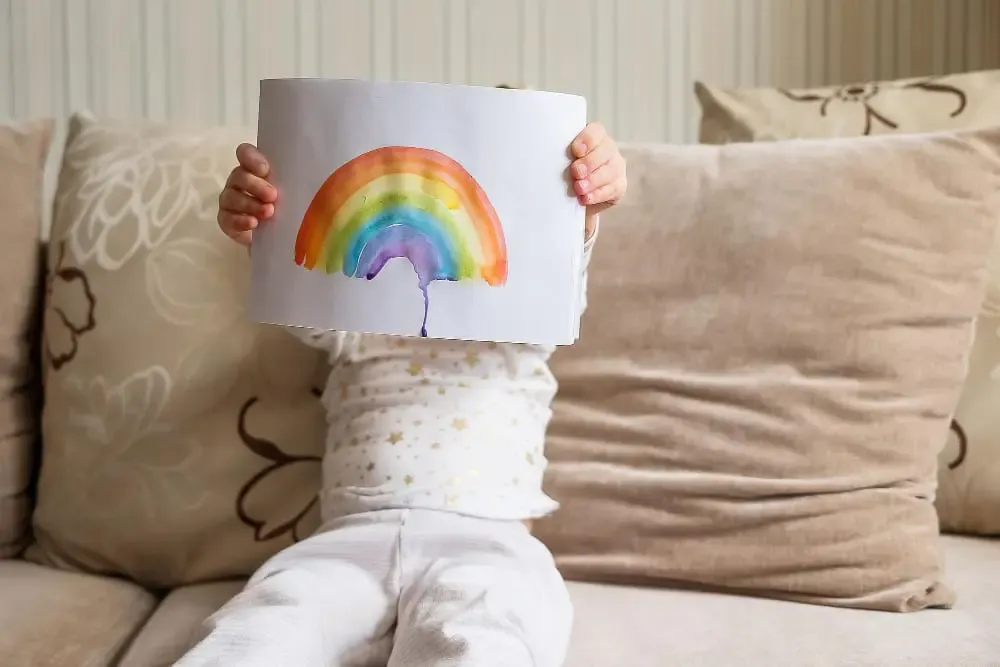
The arrival of a baby is always a cause for joy; however, when a baby is born after a gestational or infant loss, their birth takes on an even deeper meaning. These children are called "rainbow babies", and their name symbolizes the light and hope they bring after an emotional storm. A rainbow baby is one who comes into the world after the devastating loss of a pregnancy, fetal death, neonatal death, or infant death, bringing with them the promise of new beginnings and the overcoming of pain.
What is a rainbow baby and why are they called that?
The term "rainbow baby" originated as an emotional metaphor representing comfort after the storm, referring to the rainbow that appears after a heavy storm. The storm in this context is the devastating loss experienced by the parents, and the rainbow baby symbolizes the light and the rebirth of hope. It is a powerful symbol of the parents' capacity to move forward, heal, and find joy again after having gone through such a profound loss.
The meaning of a rainbow baby in the family
For a family that has suffered a loss, the birth of a rainbow baby has an immense emotional and psychological impact. It not only represents the end of a dark period, but also a mixture of emotions. Parents may feel joy, but also fear or anxiety, since the experience of loss is never forgotten. The rainbow baby can bring emotional healing, but can also generate complex feelings, such as the sense of not wanting to "replace" the baby who was lost. However, this child does not replace the one who is gone, but rather fills their own space in the family's heart, allowing a new cycle of love to be lived.
How to support your partner?
The emotional support is essential for parents expecting a rainbow baby. This process can be emotionally challenging and often filled with anxiety. Empathy and respect for the couple's feelings are crucial. Some ways to offer support that can work very well include:
- Listen without judgment: Allow them to express their fears, doubts, and joys.
- Validate their emotions: Acknowledge that it is normal to feel a mixture of emotions, from joy to fear or sadness.
- Accompany them through milestones: Be present during the pregnancy and birth without pressure, respecting the couple's emotional space.
- Emotional therapy: Sometimes, parents need professional support to process their emotions and prepare for the new baby.
Care and prevention during the new pregnancy
The pregnancy of a rainbow baby can be a period of great anxiety. It is essential to have adequate prenatal care and a medical team that understands the couple's emotional context. Some key measures include:
- Ongoing medical care: Regular check-ups to monitor the baby's development and ensure that everything is going well.
- Emotional care: Participating in therapies or support groups for parents who have experienced losses.
- Healthy lifestyle: Maintaining a good diet, moderate exercise, and avoiding stress.
- Open communication: Speaking with the doctor about any fears or concerns, and always maintaining clear communication about the progress of the pregnancy.
Furthermore, when it comes to pregnancy, some couples may need counseling or specialized fertility treatments, especially if they have gone through previous complications that affect their ability to conceive or carry a pregnancy to term.
Babies born after a family loss
The impact of welcoming a rainbow baby depends on the circumstances of the previous loss. The grieving process and the way in which the new baby is welcomed vary, but there are certain common elements, such as the mixture of hope and fear, the desire for protection, and the expectation that this baby will bring the long-awaited light.
Types of rainbow babies
There are different circumstances in which a rainbow baby can be born, and each one involves its own emotional and physical process:
Rainbow baby after a miscarriage
A miscarriage occurs when the pregnancy ends naturally before 20 weeks of gestation. The loss of a pregnancy, even in the early weeks, can be devastating for parents. The rainbow baby that arrives after a miscarriage is a symbol of renewed hope and the end of a grief that, in many cases, is carried in silence.
Rainbow baby after an ectopic pregnancy
An ectopic pregnancy occurs when the embryo implants outside the uterus, making it nonviable. This type of loss, in addition to being emotionally painful, can be physically dangerous for the mother. The rainbow baby that arrives after an ectopic pregnancy represents a new opportunity for motherhood, and is generally accompanied by rigorous medical care to ensure a healthy pregnancy.
Rainbow baby after a fetal death
Fetal death occurs when the baby dies in the uterus after 20 weeks of gestation. This loss is especially painful, as it occurs at an advanced stage of pregnancy. The rainbow baby born after a fetal death is a symbol of recovery and resilience for the parents, although the fear that something similar could happen again is often present.
Rainbow baby after neonatal death
Neonatal death is the loss of a baby within the first 28 days after birth. This loss is particularly difficult, as the parents have met their baby and have begun to build memories. The rainbow baby that arrives after a neonatal death symbolizes new hope and the beginning of an emotionally renewed chapter for the family.
Rainbow baby after an infant death
Infant death occurs after the baby's first month of life and is an extremely devastating experience. Often, parents need time to process the loss and heal before considering a new pregnancy. The rainbow baby that arrives after an infant death is a symbol of hope, but can also bring with it intense and complex emotions due to the memories and deep emotional connection they had with the baby they lost.
Frequently asked questions
How can I prepare emotionally for a rainbow baby?
Here are some recommendations for navigating the process of having a rainbow baby in the best way possible:
- Acknowledge your emotions: It is normal to feel a mix of joy, fear, anxiety, and sadness. Allow yourself to feel whatever you need without judging yourself. Write your thoughts and emotions in a journal to process what you are feeling.
- Seek support: Connect with others who have had similar experiences, whether through online or in-person support groups. Sharing your feelings with those who understand your story can be very comforting.
- Talk about the past: Do not be afraid to share the story of your loss with your partner or loved ones. Talking about the baby you lost can help you honor their memory and integrate that experience into your life as you prepare for the new baby.
- Set expectations: Reflect on how you feel about the new pregnancy and what you hope for. Expectations can be overwhelming, so remember that there is no "right" way to feel.
- Practice self-care: Make sure to take care of yourself during this time. This includes adequate rest, healthy eating, gentle exercise, and moments of relaxation. Being physically well can support your emotional well-being.
What are the signs that I need professional support during this process?
Some signs that you may need professional support during this process include:
- Persistent feelings of sadness: If you feel constantly sad or hopeless, and these feelings do not seem to improve over time, it may be helpful to seek professional help.
- Intense anxiety: If you experience anxiety that interferes with your daily life or prevents you from enjoying the pregnancy, it is important to speak with a professional.
- Isolation: If you feel increasingly isolated and distant from your loved ones, a therapist can help you reconnect and process your emotions.
- Difficulty managing the duality: If you find it difficult to balance the joy of the new baby with the pain of the previous loss, seeking support can be essential.
- Changes in behavior: Significant changes in your daily routine, sleep patterns, or appetite can be signs that you need help.
How can I explain the loss and the rainbow baby to my other children?
- Be honest and open: Adapt the conversation to your children's age. Use simple, honest language to explain what happened. It is important that they understand it is okay to feel sadness, and that their brother or sister will always be remembered.
- Use analogies: You can use the rainbow metaphor to help them understand that the new baby is a symbol of hope that comes after a storm. This can help them associate the new pregnancy with something positive without forgetting the loss.
- Encourage them to express their emotions: Foster sharing how they feel. They may have questions or even feel jealous. Listen to their concerns and validate them.
- Involve them in the process: If appropriate, allow them to participate in preparing for the arrival of the new baby. This can help them feel part of the experience and understand the meaning of having a 'rainbow baby'.
- Create a space for remembrance: You can create a family tradition where each year you remember the baby you lost, which can help keep their memory alive while celebrating the arrival of the new baby.