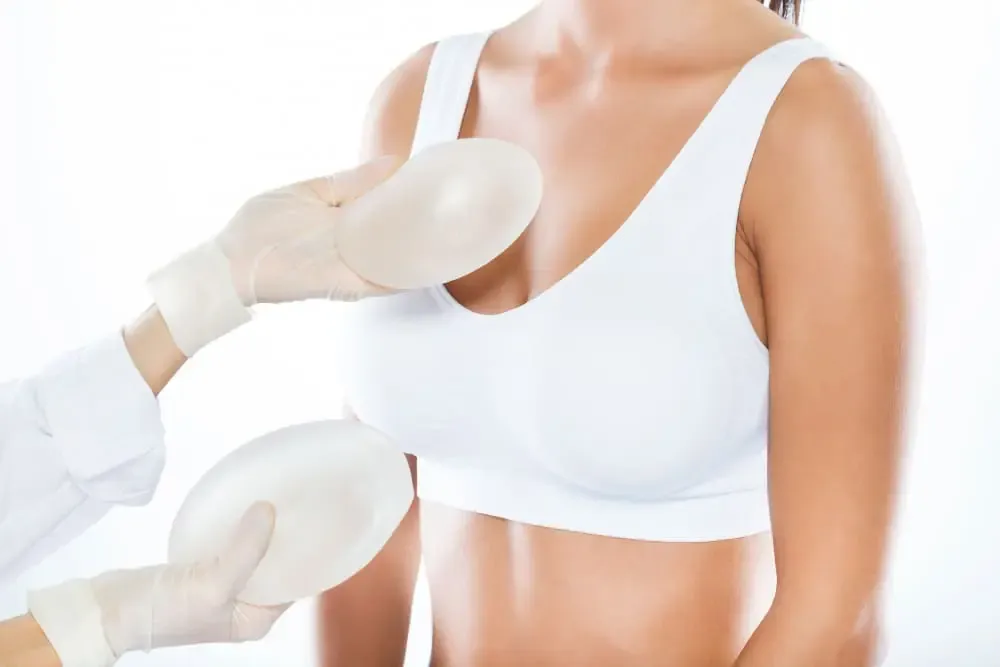
Breast augmentation is one of the most popular cosmetic procedures in the world. Although this plastic surgery itself is relatively straightforward, the recovery process is key to achieving the best results. Understanding what to expect during recovery will help you prepare physically and emotionally, ensuring optimal healing.
In this guide, we explain the different stages of breast augmentation recovery, tips for a smoother recovery, and how to manage discomfort effectively.
Breast Augmentation Recovery Timeline
Your recovery will take place in several stages. Knowing what to expect at each phase will help reduce anxiety and keep you better prepared.
First 24-48 Hours: Immediate Post-Surgical Care
The first few hours after surgery are often the most challenging. It is normal to experience:
- Swelling and bruising in the breasts
- A feeling of pain or pressure in the chest
- Drowsiness due to the effects of anesthesia
- Mild drainage at the incision sites (if applicable)
Key recommendations:
- Ask someone to drive you home and stay with you for at least 24 hours.
- Take your prescribed pain medications as directed.
- Avoid raising your arms above shoulder level.
- Rest with your torso elevated to reduce swelling.
First Week: Managing Discomfort and Inflammation
During the first week, the main focus is minimizing discomfort and preventing complications.
Possible symptoms:
- Moderate pain, manageable with medication
- Swelling and mild bruising
- Limited mobility, especially in the arms
- Use of a post-surgical bra or compression garment
Tips for faster healing:
- Apply cold compresses (as recommended by your surgeon) to reduce inflammation.
- Wear your post-surgical bra as directed.
- Sleep on your back with pillows to elevate the upper body.
- Avoid strenuous activities and lifting heavy objects.
Weeks 2 to 4: Progressive Recovery
Many patients begin to feel better and can resume light activities starting in the second week.
Expected changes:
- Decrease in pain and swelling
- Greater mobility
- Mild itching or tingling sensation at the incisions
- The breasts begin to settle into a more natural position
Important care tips:
- Avoid high-impact exercise and sudden movements of the torso.
- Continue wearing your post-surgical bra as directed.
- Attend your post-operative follow-up appointments with your surgeon.
Weeks 4 to 6: Gradual Return to Normalcy
During this phase, most patients already feel almost like their usual selves, but full recovery is still in progress.
- What happens in the body?
- Significant reduction in swelling
- Scars begin to fade (their evolution continues for several months)
- The breasts continue to settle and soften
What you should and should not do:
- Resume gentle exercises such as walking and stretching.
- Do not rush back to intense workouts or weightlifting.
- Moisturize the scars with products recommended by your surgeon.
- Do not expose the incisions to the sun to avoid dark scarring.
Long-Term Recovery: 3 to 6 Months and Beyond
Breast implants take several months to fully settle. During this time, you will notice:
- Greater softness and natural movement of the implants
- Progressive fading of the scars
- Final results visible around 6 months
Tips for maintaining long-term results:
- Maintain a healthy lifestyle to promote skin elasticity.
- Attend your regular check-ups with the surgeon.
- Perform breast self-exams to detect any changes.
Common recovery issues and how to address them
Pain and discomfort
It is normal to feel pressure and tightness during the first few weeks. Use pain relievers as recommended by your doctor and stay hydrated.
Swelling and bruising
Wearing a compression garment, staying hydrated, and avoiding excessive salt intake can help reduce swelling more quickly.
- Wear compression garments and reduce your salt intake.
- Sleep with the upper part of your body elevated.
Scars
Use silicone gels or sheets to improve their appearance. Avoid sun exposure to prevent hyperpigmentation and massage the area (when it is safe to do so).
Asymmetry or differences in recovery
It is common for one breast to heal faster than the other. Final symmetry may take up to six months to become apparent.
Essential tips for a successful recovery
Follow your surgeon's instructions
Follow all postoperative guidelines to achieve the best results.
Prioritize rest and sleep
- Sleep on your back with pillows to elevate your torso.
- Avoid sleeping on your side or face down for at least 6 weeks.
Stay hydrated and eat a balanced diet
- Drink plenty of water and consume protein to promote healing.
- Avoid excess salt to reduce inflammation.
Wear appropriate support garments
- Post-surgical bras help reduce swelling and maintain the shape of your breasts.
- Avoid underwire bras until your surgeon gives you the go-ahead.
Resume physical activity gradually
- Walking is recommended, but avoid lifting heavy objects.
- Wait for your surgeon's approval before doing high-impact exercises.
When should you call your surgeon?
Seek immediate attention if you experience:
- Excessive redness, swelling, or warmth around the incision area
- Intense pain that does not improve with pain relievers
- Unusual discharge or pus from the wound
- Fever above 38°C
- Sudden changes in the size or shape of your breasts
If you experience any of the symptoms above, contact your surgeon immediately.
Recovering from a breast augmentation surgery is a gradual process, but following your doctor's recommendations and taking care of your body will help you achieve the best results. Patience and dedication are key to enjoying a successful recovery and beautiful breasts for a long time!