Infertility is a condition that affects millions of couples worldwide, preventing them from conceiving naturally. Although there are multiple factors that can contribute to this problem, genetic alterations play a crucial role in many cases. This article aims to explore how genetic alterations can cause infertility and what infertility treatments are available for those affected by these conditions.
What are genetic alterations?
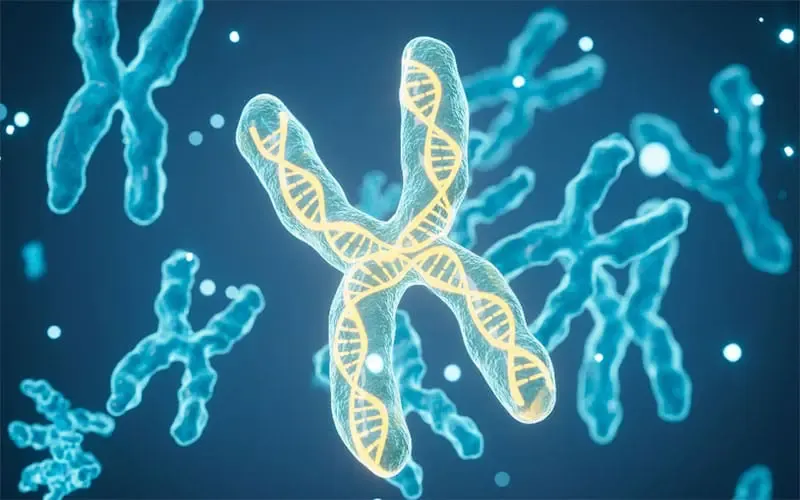
Genetic alterations are changes in the genetic material of an organism, which can affect both DNA and RNA. These changes can be hereditary or acquired, and can manifest in different forms, such as point mutations, deletions, duplications, translocations, or inversions of chromosomal segments.
Genetic alterations can play a significant role in infertility. These alterations can affect both men and women, causing infertility or subfertility.
For example, mutations in the CFTR gene, which causes cystic fibrosis, can result in the absence of the vas deferens, preventing the transport of sperm.
The impact of genetic mutations on fertility remains an active field of study, with the goal of developing better diagnostics and treatments for those affected by these conditions.
Male genetic infertility
Male infertility is a condition that affects many men worldwide and can have various causes, one of which is genetic. Genetic alterations can significantly impact a man's ability to produce sperm; the most common causes include:
Klinefelter syndrome
Klinefelter syndrome is one of the most common genetic causes of male infertility. It occurs when a man has an extra X chromosome, resulting in an XXY chromosomal composition instead of XY.
The alteration affects testicular development, leading to reduced testosterone levels, insufficient sperm production, and in many cases, infertility. Men with this syndrome may present symptoms such as small testicles, low muscle mass, and gynecomastia.
Kallmann syndrome
Kallmann syndrome is a genetic condition that causes male infertility due to a deficiency of gonadotropin-releasing hormone (GnRH), which is important for the onset of puberty and sperm production.
Men with this syndrome do not experience normal sexual development during puberty and have low testosterone levels. In addition, it is associated with anosmia, an inability to perceive smells.
Y chromosome microdeletions
Y chromosome microdeletions are small losses of genetic material on the Y chromosome that affect genes crucial for sperm production.
Men with this condition may present a low sperm count or even azoospermia, which is the complete absence of sperm in the semen. Microdeletions are usually detected through specific genetic tests, although this condition has no cure.
CFTR gene mutation
The CFTR gene mutation, associated with cystic fibrosis, can cause male genetic infertility. The gene regulates the transport of chlorine and sodium in cells, and its mutation causes thick secretions in various organs, including the vas deferens, which transport sperm.
In men with this mutation, the vas deferens may be absent or blocked, preventing the release of sperm.
Genetic alterations in sperm
These alterations include mutations in sperm DNA, such as chromosomal abnormalities or genetic damage due to environmental factors.
They affect sperm quality, reducing its ability to fertilize an egg or increasing the risk of miscarriages and developmental problems during pregnancy. Diagnostic techniques, such as sperm DNA fragmentation analysis, can identify these problems.
Female genetic infertility
Female genetic infertility is a complex condition that can result from various alterations in a woman's genetic material and affect a woman's ability to conceive, carry a pregnancy to term, or both. Understanding the causes, diagnostic methods, and treatment options is crucial to addressing this condition.
Turner syndrome
The Turner syndrome is a genetic alteration that affects women, characterized by the partial or total absence of one of the X chromosomes, and can cause a series of health problems, including fertility problems.
Women with Turner syndrome have non-functional ovaries, which prevents the production of eggs and sex hormones, resulting in infertility. In addition, they may present delayed sexual development and heart problems.
Polycystic Ovary Syndrome (PCOS)
Polycystic ovary syndrome (PCOS) is characterized by the presence of multiple cysts in the ovaries, hormonal imbalance, and alterations in the menstrual cycle. Women with PCOS experience irregularities in ovulation, which makes conception more difficult.
PCOS is associated with insulin resistance, obesity, and acne, and although it can be an obstacle to fertility, medical treatments such as medications to induce ovulation, lifestyle changes, and assisted reproductive techniques can help improve the chances of pregnancy.
Hereditary thrombophilias
Hereditary thrombophilias are genetic disorders that increase the predisposition to blood clot formation, affecting female fertility. Conditions such as the Factor V Leiden gene mutation or protein C deficiency can lead to complications during pregnancy, such as recurrent miscarriages, preeclampsia, or premature birth.
Women with hereditary thrombophilias experience difficulty maintaining a pregnancy due to altered blood flow and clot formation in the placenta.
Low ovarian reserve
Low ovarian reserve is a condition in which the quantity and quality of eggs in a woman's ovaries is insufficient to achieve pregnancy, caused by genetic factors, premature aging, or autoimmune diseases.
Women with low ovarian reserve often face difficulties conceiving naturally due to the smaller number of eggs available for fertilization.
Genetic abnormalities in the embryo
Although a couple's eggs and sperm may appear normal and show no visible genetic abnormalities, there is a possibility that the embryos resulting from fertilization may not be viable.
During the fertilization process, the nucleus of the egg must fuse correctly with the nucleus of the sperm to establish a new chromosomal makeup in the embryo. Any error in this process can lead to the formation of aneuploid embryos, which may be unable to implant in the uterus.
If implantation does occur, the embryos may result in miscarriages or in the birth of a baby with health problems. The main cause is related to egg quality, which can be affected by advanced maternal age, thereby reducing the viability of the embryos.
Diagnosis of Genetic Abnormalities in Infertility
In most cases, genetic infertility is only diagnosed through specific fertility tests. Standard examinations such as a semen analysis, an ultrasound, or a hormonal panel are not sufficient to detect abnormalities at the genetic level.
To identify underlying genetic problems that may be affecting fertility, more detailed and specialized tests are required, which thoroughly analyze the genetic material of both men and women. The diagnosis involves:
Karyotype
The karyotype consists of an analysis that examines the number and structure of chromosomes in the patient's cells, providing a detailed image of the complete set of chromosomes.
The study identifies chromosomal abnormalities, such as trisomies or monosomies, that can affect fertility. By evaluating the karyotype, physicians can detect genetic alterations that may be responsible for reproductive problems, allowing a better understanding of the origin of infertility and guiding toward possible appropriate treatments or interventions.
Preimplantation Genetic Diagnosis (PGD)
Preimplantation Genetic Diagnosis (PGD) is an advanced technique used to identify genetic abnormalities in embryos before their transfer to the uterus during an in vitro fertilization (IVF) cycle.
It involves performing a biopsy of embryo cells to analyze their genetic material and detect possible chromosomal or genetic abnormalities. PGD allows the selection of embryos with a normal genetic profile, reducing the risk of transmitting hereditary diseases and increasing the chances of a successful pregnancy.
DNA Sequencing
DNA sequencing allows the complete sequence of nucleotides in an individual's DNA to be analyzed, identifying specific mutations and genetic variations that may be influencing fertility.
Unlike more general methods, DNA sequencing provides a detailed and precise analysis of genes, revealing alterations at the molecular level that may not be detected by more traditional tests.
Possible treatments
Although genetic abnormalities can present significant challenges, several infertility treatment options are available:
Assisted Reproductive Technologies (ART)
Assisted Reproductive Technologies (ART) offer advanced solutions for treating infertility caused by genetic abnormalities and increase the chances of conception, as well as helping to prevent the transmission of inherited genetic conditions to offspring. Among these techniques are: These techniques include:
In Vitro Fertilization (IVF)
In Vitro Fertilization (IVF) is an assisted reproductive technique that involves the fertilization of eggs with sperm outside the body, in a laboratory setting. Once the eggs are fertilized and develop into embryos, the most viable ones are selected for transfer to the woman's uterus.
This technique is useful in cases of genetic infertility, as it allows preimplantation genetic diagnosis (PGD) to be performed to identify and avoid the transfer of embryos with genetic abnormalities.
ICSI (Intracytoplasmic Sperm Injection)
Intracytoplasmic Sperm Injection (ICSI) is an advanced assisted reproductive technique designed to overcome severe male fertility problems.
In this procedure, a single sperm is injected directly into the cytoplasm of an egg using a microneedle, which is useful when sperm have low motility or quality.
After fertilization, the resulting embryos are cultured and, if viable, transferred to the woman's uterus. ICSI not only improves fertilization rates in cases of severe male infertility, but also allows genetic studies to be performed on the embryos to prevent the transmission of genetic abnormalities.
Artificial insemination
This procedure is performed by inserting sperm directly into the uterus or cervix during the ovulation period, increasing the chances of conception.
It is a common option for couples with fertility problems, such as low sperm quality or cervical problems. Artificial insemination can use sperm from the partner or a donor, and can be combined with hormonal treatments to improve ovulation and the success of the procedure.
Gene therapy
Through advanced techniques, such as gene editing or the transfer of therapeutic genes, this therapy aims to modify the genetic material of reproductive cells or embryos to prevent the transmission of genetic abnormalities to offspring.
Although still in experimental stages for infertility, gene therapy offers significant potential for treating specific genetic disorders and improving success rates in assisted reproductive treatments.
Gamete donation
When a couple's eggs or sperm have genetic abnormalities that affect fertility, gamete donation allows the use of healthy eggs or sperm from donors.
This technique helps prevent the transmission of genetic disorders to offspring and increases the chances of success in assisted reproductive treatments. The donated gametes are subjected to rigorous genetic testing to ensure their quality, providing couples with a viable alternative for conceiving a healthy child.
Embryo adoption
Embryo adoption involves the transfer of previously fertilized and frozen embryos, donated by other couples who have completed their fertility treatments.
By adopting embryos, couples can avoid genetic problems, since the embryos have been selected and analyzed to ensure their viability and health.
Frequently asked questions about genetic disorders and infertility
How does genetic infertility impact the chances of success with in vitro fertilization (IVF)?
Genetic infertility can reduce the chances of success with in vitro fertilization (IVF) by affecting the quality of eggs or sperm, causing chromosomal abnormalities in embryos, or increasing the risk of implantation failure. However, techniques such as preimplantation genetic diagnosis (PGD) can improve the odds by selecting embryos free of abnormalities.
Can infertility be treated with conventional medical therapies?
Yes, infertility can be treated with conventional medical therapies in many cases, depending on the underlying cause. Treatments may include medications to stimulate ovulation, hormonal therapies, or surgical procedures. However, if the problems are more complex, such as certain genetic disorders, more advanced treatments may be required, such as in vitro fertilization (IVF) or other techniques.
What type of surgery can treat infertility?
Surgery to treat infertility depends on the cause. In women, it may include correcting blockages in the fallopian tubes, removing fibroids or endometriosis, or repairing uterine malformations. In men, surgeries such as varicocele repair or vasectomy reversal can improve fertility by restoring proper sperm flow.
What is surrogacy?
Surrogacy surrogacy is a process in which a woman carries and gives birth to a baby for another person or couple, who will become the child's parents. This practice is used by those who cannot conceive or carry a pregnancy, allowing them to fulfill their desire to have children.