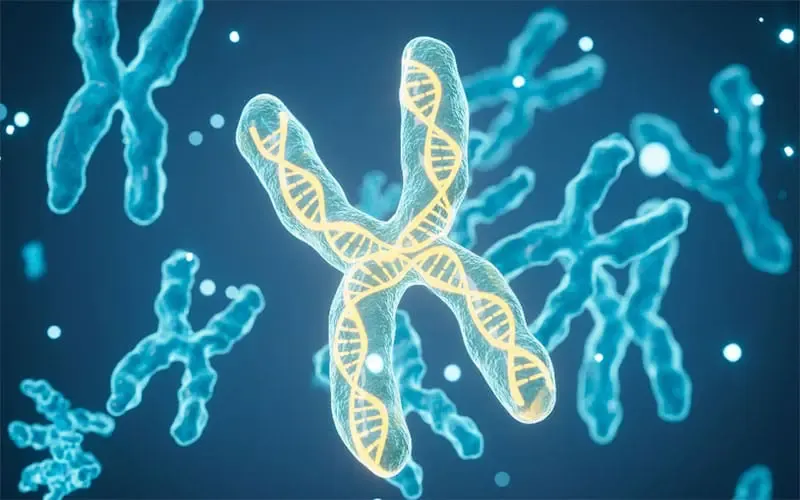
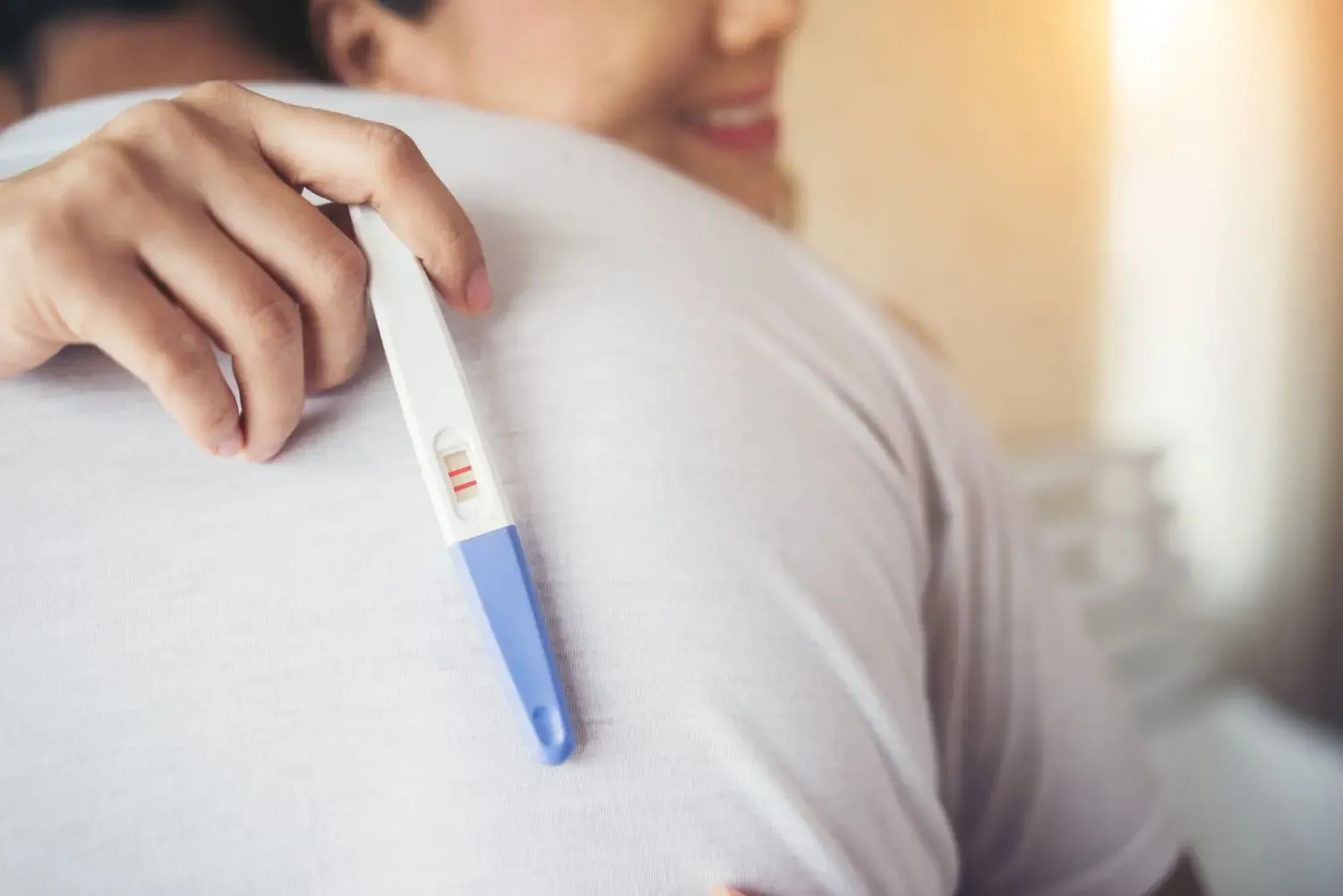
A woman's fertile years refer to the period during which her reproductive capacity reaches its optimal point, allowing conception and the development of pregnancy naturally. This span begins with puberty, marked by the arrival of the first menstrual period, and extends until menopause, the moment at which menstrual cycles cease permanently. During this stage, a woman's fertility fluctuates, peaking in the twenties and early thirties, before gradually declining.
Motherhood, a desire and life goal for many women, is intrinsically linked to an understanding of female fertility. Factors such as general health, lifestyle, and personal decisions play a crucial role in reproductive capacity. Therefore, it is essential that women be informed about how their age affects their chances of conceiving, as well as about the options available to preserve their fertility, in order to consciously plan the right time to start a family.
Understanding female reproductive capacity
Motherhood and a woman's fertility are deeply influenced by a woman's fertile years, a period spanning from puberty to menopause. Understanding this process is essential for any woman who aspires to motherhood.
What does it mean to be fertile?
Being fertile implies the ability to reproduce. In women, this translates into the possibility of ovulating, having a sperm cell fertilize the egg, and having that egg implant in the uterus to develop. Female fertility can be affected by various reasons, including medical conditions, environmental factors, and age.
The crucial role of ovarian reserve
Ovarian reserve is fundamental to female reproduction. Composed of a woman's eggs, their quantity and quality largely determine reproductive capacity. Anti-Mullerian hormone is a key indicator of this reserve, providing valuable information for assisted reproduction techniques.
How is ovarian reserve measured and why does it matter?
Ovarian reserve is measured through blood tests that determine Anti-Mullerian hormone levels and ultrasounds that assess antral follicle count. These methods provide an estimate of the quantity and quality of a woman's eggs, information that is crucial for planningfertility treatmentsand for assisted reproduction techniques, allowing ovarian stimulation protocols to be personalized.
The influence of age on a woman's fertility
A woman's fertility declines with age due to the natural decrease in the quantity and quality of eggs. From the onset of puberty, women become fertile, reaching peak fertility between the ages of twenty and thirty. As age advances, the probability of becoming pregnant decreases, falling below 5% per cycle after age 40. This phenomenon underscores the importance of considering biological age in reproductive planning.
Risks and considerations for pregnancies at advanced ages
In today's society, many women choose to delay motherhood for various reasons, which involves an increased risk of complications associated with pregnancies at advanced ages. These risks include higher rates of complications such as gestational diabetes and the need to resort to assisted reproduction techniques such asin vitro fertilization. Fertility preservation through egg freezing presents itself as an option for those who wish to delay motherhood, offering an opportunity for a more controlled and planned path forward.
Are you looking for a solution for your health?
Discover how our specialists can help you
Factors that affect female fertility
Female fertility can be impacted by various reasons, from hormonal imbalances to specific medical conditions. Factors such as lifestyle, tobacco and alcohol consumption, and body weight also play a significant role. Understanding these factors is crucial for making informed decisions about reproductive health and exploring treatment options if necessary.
The impact of age on the possibility of becoming pregnant
A woman's ability to conceive decreases with age, becoming more noticeable after age 35. For example, while a healthy, fertile 30-year-old woman has approximately a 20% chance of becoming pregnant per cycle, this probability decreases significantly as age advances. Around 5 out of every 100 women aged 40 will manage to conceive naturally, which underscores how fertility changes over time.
Male fertility: How is it affected over time?
Although male fertility also declines with age, the earlier decline in female fertility is more pronounced. This does not mean that male fertility is not a concern, but rather that its effects manifest differently and generally at a more advanced age.
A comparison of female and male fertility
Infertility can affect both men and women, although the causes and risk factors vary between the sexes. In women, irregular menstrual periods or their absence can be an indicator of fertility problems. In comparison, sperm quality and quantity gradually decrease in men, affecting their reproductive potential. Understanding these differences is crucial for adequately addressing infertility in couples.
Options for preserving fertility
Faced with the challenge of infertility, there are several options for preserving fertility, especially for those who face medical treatments that could affect it or who simply wish to postpone motherhood. These options includeegg freezing, sperm and ovarian tissue freezing, as well as assisted reproduction treatments tailored to individual risk factors.
Advanced assisted reproduction techniques
Today's society has access to advanced assisted reproduction techniques that offer hope to many people facing fertility challenges. Among these techniques, in vitro fertilization (IVF) stands out as one of the most effective, allowing many women to delay motherhood without giving up the dream of having children. The recovery and preservation of fertility are fundamental pillars in this process.
In Vitro Fertilization (IVF): Hope for many
In Vitro Fertilization(IVF) represents a crucial technique for overcoming various fertility problems. This procedure involves ovarian stimulation to obtain multiple eggs, which are then fertilized in the laboratory before being transferred to the uterus. IVF has given many couples the possibility of conceiving, becoming a beacon of hope on their path to parenthood.
Fertility preservation: When and why to consider it
Fertility preservation is an important consideration for both men and women who wish to have children in the future. Factors such as treatment for serious illness or the desire to postpone motherhood for personal or professional reasons may make egg or sperm freezing a viable option. IVF plays a crucial role in this process, offering an effective strategy for those seeking to preserve their fertility for future use.
When to consider it:
- Cancer Diagnosis: Many cancer treatments, such as chemotherapy or radiation therapy, can damage fertility. In these cases, fertility preservation before starting treatment can be crucial.
- Chronic or Genetic Diseases: Some diseases, such as endometriosis or genetic conditions, can affect the ability to conceive. Preserving fertility can be a preventive option.
- Advanced Age: Women are born with a finite number of eggs, and the quality and quantity of these decreases with age. Women who wish to delay motherhood for personal or professional reasons may choose to preserve their fertility.
- Reproductive Surgeries: Certain surgeries on the reproductive organs can affect fertility. In these cases, preservation before the surgical procedure could be considered.
Why consider it:
Protection Against Medical Treatments: Preserving fertility allows individuals to undergo necessary medical treatments without giving up the possibility of having biological children in the future.
Option to Delay Motherhood/Fatherhood: This option is attractive for those who wish to focus on their career, education, or other priorities before having children.
Preventing Fertility Loss: For those at risk of losing their fertility due to illness or treatments, preservation offers future security.
Preservation methods:
- Egg Freezing: This involves extracting eggs from the woman, which are frozen for future use.
- Embryo Freezing: Similar to egg freezing, but in this case, the eggs are fertilized with sperm before being frozen.
- Ovarian Tissue Freezing: A portion of the ovarian tissue is removed and frozen to be reimplanted later.
- Sperm Freezing: Sperm is collected and frozen for future use.
The decision to preserve fertility is very personal and depends on several factors, including the health status, age, and future desires of the individual or couple. It is important to consult with a fertility specialist to discuss the available options and make an informed decision.
Ovarian stimulation as a key preparatory step
Ovarian stimulation is an essential process in the field of assisted reproduction, designed to increase the number of eggs available for fertilization. Through the administration of hormones, the goal is to optimize the woman's menstrual cycle, promoting the maturation of multiple eggs rather than just one, as occurs naturally. This method is crucial for increasing the chances of success in treatments such as In Vitro Fertilization (IVF).
Procedures and effectiveness of ovarian stimulation
Ovarian stimulation procedures involve the use of medications containing hormones, such as FSH and LH, to stimulate the ovaries. This treatment is personalized according to individual needs, and its effectiveness is evaluated through ultrasounds and blood tests to monitor follicular development. The effectiveness of this technique is significant, increasing the chances of obtaining viable eggs for use in assisted reproduction techniques.
Every stage of life deserves special care
Discover how to optimize your fertility with personalized medical guidance
Challenges and solutions in the pursuit of pregnancy
Finding effective solutions to fertility challenges requires a comprehensive understanding of the available options. Assisted reproduction offers hope to many couples, adapting to their specific needs and overcoming obstacles such as age or specific infertility conditions.
Age and Fertility: Finding the optimal moment
Female fertility declines with age, especially after 35, which complicates natural conception. However, through the evaluation of ovarian reserve and the use of assisted reproduction techniques, it is possible to identify the optimal moment to attempt pregnancy. Anticipation and planning play a crucial role in this process, allowing women to make informed decisions about their fertility.
Fertility treatments after 35: A hopeful outlook
Assisted reproduction presents the opportunity to overcome fertility challenges in women over 35. With options such as IVF, egg donation, and ovarian stimulation, the possibilities of conceiving remain hopeful, even when natural fertility has declined.
Success of treatments according to age: A reality to consider
The success of fertility treatments varies significantly with the woman's age. The younger she is, the greater the chances of success, especially with techniques such as IVF. However, technology and advances in the field of assisted reproduction continue to improve success rates for women of all ages, offering personalized solutions for each case.
Egg donation: A viable alternative
Egg donation has become a valuable alternative for women with low ovarian reserve or ovarian quality issues. By receiving eggs from a younger donor, recipients significantly increase their chances of achieving a successful pregnancy, thus overcoming one of the greatest age-related challenges in fertility.
Fertility preservation: An act of planning and hope
The fertility preservation, through techniques such as egg freezing, represents an act of autonomy and planning for the reproductive future. This option allows women to decide the best time for motherhood, without the pressure imposed by the biological clock.
Egg freezing: Its role in reproductive autonomy
The egg freezing offers women the opportunity to preserve their fertility, giving them autonomy over their reproductive future. This process allows women to plan their motherhood at a more convenient time in their lives, without compromising the quality of their eggs.
Where and how to undergo egg freezing
Egg freezing is performed at specialized fertility clinics, where healthcare professionals evaluate the woman's reproductive health before proceeding. The process includes ovarian stimulation, egg retrieval, and subsequent vitrification, a rapid freezing technique that preserves the integrity of the eggs for future use.
Success rates and factors to consider in fertility treatments
When undergoing IVF, the chances of pregnancy vary according to multiple factors, including the mother's age and egg quality. Vitrification has emerged as a crucial technique, improving the success rates of fertility treatments by preserving the quality of the retrieved eggs.
The importance of anticipation in fertility preservation
Anticipation plays a fundamental role in fertility preservation, allowing women to make proactive decisions regarding their reproductive future. Planning and the use of techniques such as IVF and egg freezing provide valuable options for those who wish to wait for the right time for motherhood, keeping their chances of conceiving open.
Navigating the fertility journey with information and support
The path to motherhood, especially with regard to female and male fertility, is a personal and unique journey that can present challenges. However, with the right information and the support of professionals in the field, women can navigate this journey with confidence, exploring the available options to make their dream of motherhood a reality.
A woman's fertile years: A personal and unique journey
Age and fertility are intrinsically connected, and every woman experiences this relationship in a unique way. With advances in the field of assisted reproduction, such as IVF, and access to private clinics, women and couples now have more resources than ever to face challenges such as pregnancy at an advanced age, chromosomal abnormalities, and the risk of complications, with hope and support.