
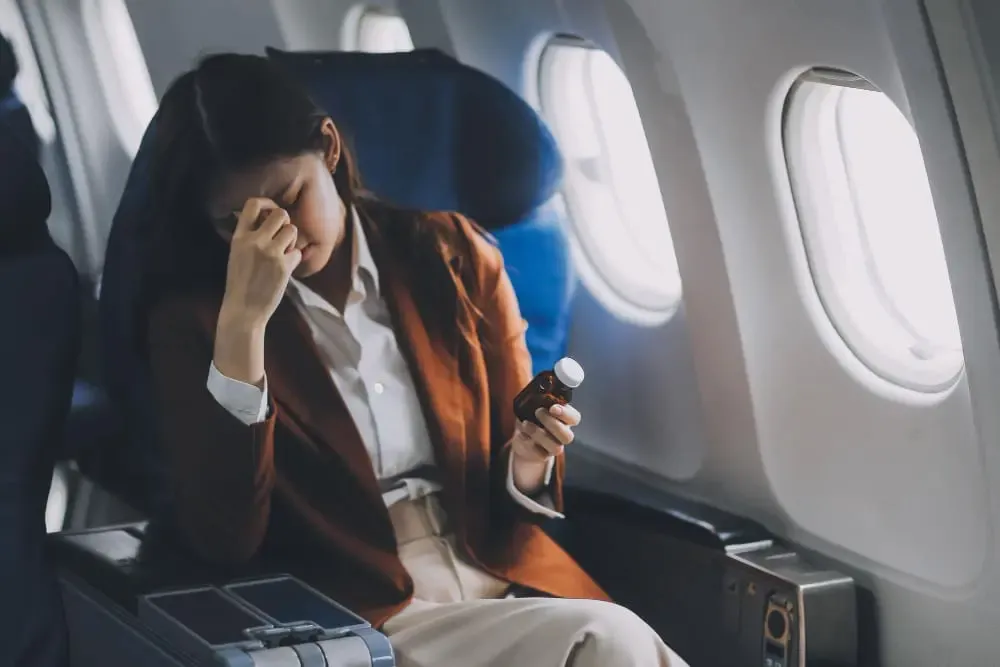
Traveling is exciting, but jet lag can ruin the first days of any adventure. That feeling of disorientation and exhaustion is real, but there are ways to overcome it quickly. With the help of practical tips, serum therapy and a few interesting tricks, you will learn to reduce the impact of jet lag and enjoy your trip from before you even get to the airport all the way through after arrival.
What Is Jet Lag and Why Does It Happen?
Jet lag is essentially a mismatch between your body's biological clock and the schedule of the new destination you are arriving at. If you travel across several time zones, your body still believes it is on the original schedule, which causes fatigue, sleep problems, and in many cases disorientation.
Jet Lag and Its Impact on the Body
Our bodies follow a natural 24-hour cycle, known as the circadian rhythm, which regulates when we feel tired, awake, or hungry. When we cross multiple time zones in a short period of time, that internal clock gets out of sync. Instead of sleeping when you should, you feel completely awake, and when you should be alert, all you want is a bed.
The Role of Circadian Rhythms in Jet Lag
Circadian rhythms are highly sensitive to light and darkness, which means that exposure to sunlight - or the lack of it - has a major impact on how your body feels. Jet lag is more severe when you travel east (where you lose hours) than west (where you gain them), since our bodies prefer to extend the day rather than shorten it. This time shift can leave you feeling tired, disoriented, and generally out of place.
Main Symptoms of Jet Lag: How to Identify It Quickly
Jet lag symptoms vary, but most people experience a mix of fatigue, difficulty concentrating, and in some cases an upset stomach, among others.
Physical Symptoms
Emotional and Mental Symptoms
Extreme fatigue
Irritability
Difficulty concentrating
Lack of motivation
Upset stomach
Anxiety and stress
Sleep disturbances
Anxiety and stress
Quick tip: If you travel more than 4 time zones, jet lag is likely to be more intense. For example, flying from New York to London exposes you to a 5-hour time change, which can result in a more pronounced time shift.
Emotional and Mental Symptoms
Jet lag does not only affect your body, but also your mind. You may feel more irritable than usual, with little patience for anything. Your ability to remember details or make decisions will also be affected, and sometimes you may have moments of confusion or feel as though the day simply does not make sense.
Preparation Before the Trip: Strategies to Minimize Jet Lag

It is important that you know how to cope with jet lag.
Adjusting Your Sleep Schedule Before the Trip
A smart trick is to start adjusting your sleep schedule before you fly. If you are traveling east, try going to sleep and waking up a little earlier for a few days before the trip. If you are heading west, do the opposite: go to bed and wake up later. By doing this, your body will begin to gradually adapt to the new schedule, making the transition easier when you arrive at your destination.
Fun fact: elite athletes adjust their sleep schedules several days before international competitions. In this way, they manage to adapt better to jet lag and optimize their performance.
Flight direction
Pre-trip sleep strategy
Eastbound travel
Go to sleep one hour earlier each day
Westbound travel
Go to sleep one hour later each day
Hydration and Nutrition Before the Flight
Staying hydrated is crucial. Airplane cabins have very dry air, which can worsen symptoms of fatigue and dehydration. Drink enough water before and during the flight, and opt for light meals. Avoid heavy or sugary foods that can leave you feeling even more exhausted.
Key tip:staying hydrated is not just about water. It also includes foods with a high water content, such as fruits, vegetables, and broths. Stay away from alcohol and salty foods.
Tips for Overcoming Jet Lag During Travel
Using Light and Darkness to Your Advantage
Natural light is your best ally for overcoming jet lag. If you arrive at your destination during the day, try to get as much sun exposure as possible. This helps your body adjust to the new schedule. On the other hand, if you are traveling east and arrive at night, try to avoid light and keep it dark to encourage sleep.
Type of Light
Recommended Timing Based on Destination
Natural Light
During the day at the destination to adjust the cycle
Darkness
Use a sleep mask on overnight flights
Staying Hydrated Throughout the Flight
No matter how many times you hear it, it is never enough: stay hydrated! Avoid alcoholic and caffeinated beverages during the flight, as they can worsen dehydration and make it harder to sleep when the time comes.
Tip for long flights:bring a reusable bottle and ask the flight attendants to refill it regularly. Staying hydrated helps combat cabin dryness, which worsens jet lag symptoms.
Adjust Your Watch and Your Mindset to the Destination's Time Zone
As soon as you board the plane, change your watch to the destination's time zone. This is not just a psychological trick - it also helps your mind begin to adapt to the new rhythm.
How to Reset Your Biological Clock Upon Arrival
Sun Exposure and Its Effect on the Body
When you arrive at your destination, one of the first steps to reducing jet lag is to go outside and soak up some sun. Sunlight is a powerful signal to your brain, telling it that it is time to be awake. If you arrive during the day, try to stay active until bedtime according to your new schedule.
Alternating Between Short Naps and Physical Activity
If you cannot avoid fatigue, take a short nap of 20 to 30 minutes. This can give you an energy boost without interfering with your nighttime sleep schedule. In addition, moderate exercise such as walking or stretching upon arrival can also speed up your adjustment.
Time of Day
Recommendation
Morning
Light physical activity (walking, yoga)
Afternoon
Short nap of 20-30 minutes
Evening
Full rest of 6 to 8 hours
Avoiding Heavy Meals and Alcohol Upon Arrival
Heavy meals or alcohol can make you feel more lethargic. Opt for a light, nutritious meal upon arrival, and make sure to stay hydrated.
Therapies and Effective Remedies for Combating Jet Lag
There are both medical and natural alternatives for combating jet lag
Using Melatonin and Supplements
Melatonin is a natural supplement that can help your body regulate its sleep cycle. If you are traveling east, taking melatonin a few hours before bedtime can help you fall asleep faster.
Interesting fact:taking a supplement of 1 to 3 mg of melatonin can be helpful if you have trouble falling asleep on the new schedule.
Light Therapy with Artificial Lamps
In places where there is not enough natural light, bright light lamps can be useful for stimulating your internal clock. These lamps emit light that mimics sunlight, helping your body adjust to the new time zone.
Sleep Medications: Pros and Cons
While some people opt for sleeping pills to sleep during the flight or on the first few nights, these medications should be used with caution. They can help you sleep, but they do not solve the jet lag problem. Natural options, such as melatonin, are usually a better alternative.
The Impact of Jet Lag on Your Health and How to Reduce It
Jet lag does not only affect how you feel, but also how your body functions. If you do not manage it properly, you could experience sleep disorders, digestive problems, and a weakened immune system.
Short- and Long-Term Effects of Untreated Jet Lag
Although jet lag is temporary, ignoring its symptoms can have consequences. From memory problems to irritability, the short-term effects are bothersome, but the long-term ones, such as chronic insomnia or accumulated fatigue, can seriously affect your well-being.
Strategies to Mitigate the Health Impact
- Adequate rest: try to sleep at least 6 hours per night to reduce stress on your body.
- Balanced diet: avoid heavy meals upon arrival. Choose foods rich in protein and fiber.
- Light exercise: keep moving, but avoid intense exercise during the first few days.
Tips and Technological Tools to Reduce Time Zone Lag

Technology is made to improve quality of life, and this is one of those cases
Mobile Apps That Help You Overcome Jet Lag
There are several apps that can help you minimize jet lag, such as Timeshifter or Jet Lag Rooster. These apps offer personalized advice on when to sleep, expose yourself to light, or avoid it, based on your flight data.
Did you know...? the Timeshifter app was developed in collaboration with NASA astronauts to optimize their sleep patterns during space missions. Now you can use this technology on your travels.
Smartwatches and Gadgets to Monitor Sleep
You can also use smartwatches and other gadgets to track your sleep pattern. These devices give you a clear idea of how your body is responding to the new schedule and when the best time to rest is.
How to Adapt More Quickly to New Time Zones
By following a few steps, you can achieve adaptation in less time
Adapting When Traveling East or West
When you travel east, you are moving your internal clock forward, which means you should try to go to bed earlier. However, when you travel west, you can allow yourself to go to bed later, as you are "extending" the day.
Mindfulness and Relaxation Techniques to Ease the Adjustment
Practicing mindfulness and deep breathing not only reduces travel stress, but also helps your body relax and adapt more easily to the new schedule.
Can Jet Lag Be Completely Avoided?
The short answer is No, but you can minimize its effects
Summary of Key Tips
- Pre-trip preparation: adjust your sleep schedule a few days before traveling.
- During the flight: stay hydrated and exposed to the appropriate light.
- Upon arrival: use sunlight to your advantage and maintain light physical activity
The Importance of Patience in Recovering from Jet Lag
Remember that, although all these tips help, full adaptation can take a few days. Do not get frustrated if you do not adjust right away. Give your body time and follow these steps to make the process easier. With patience, you will be completely adapted in no time!