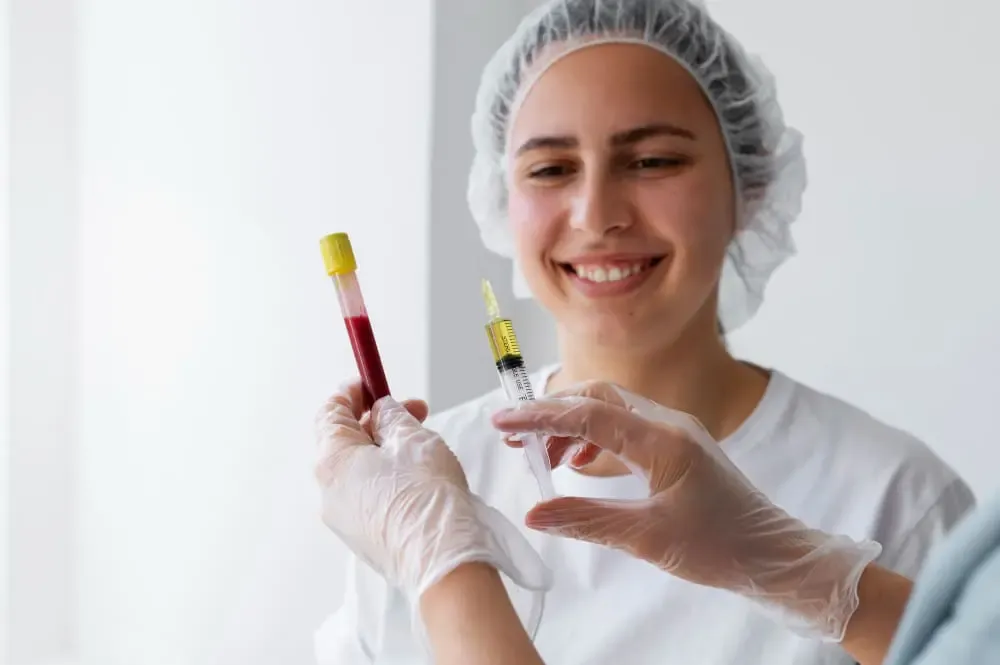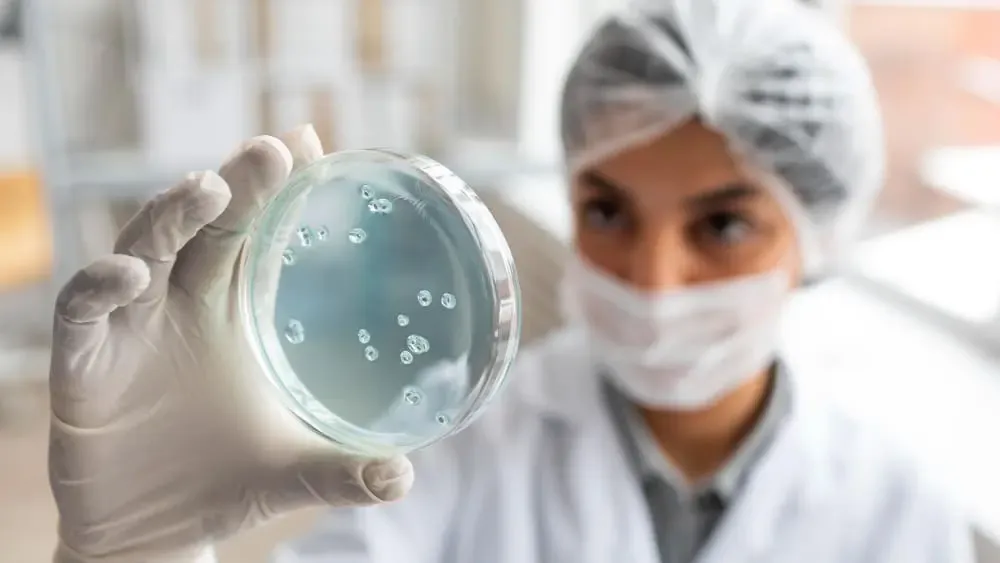
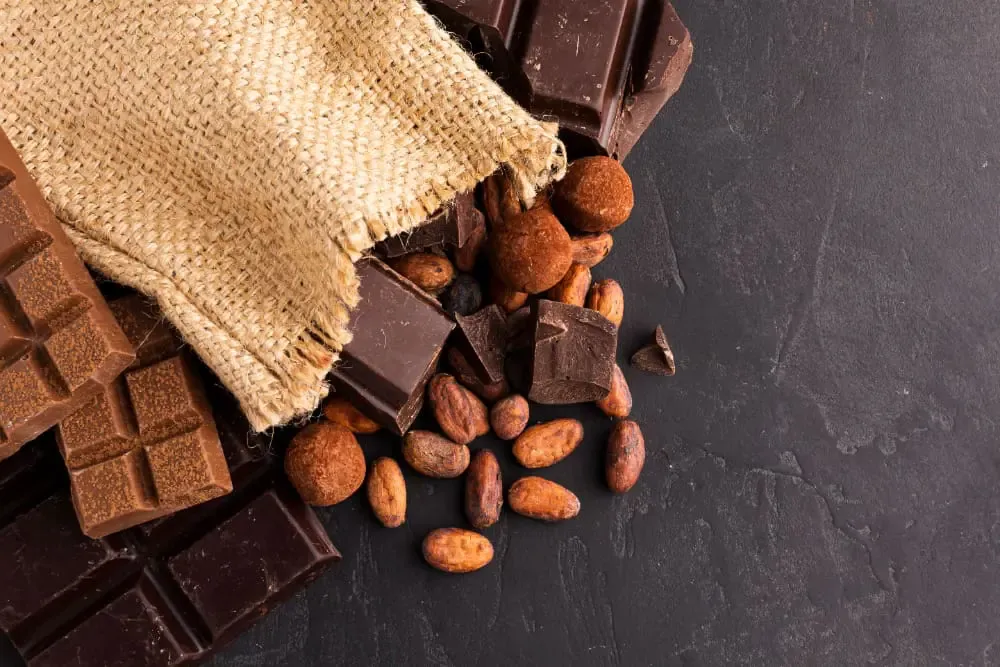
The idea that dark chocolate could increase stem cells sounds almost too good to be true, which is exactly why it deserves a careful look. Cocoa is rich in flavanols and polyphenols, compounds that research has linked to better circulation and vascular repair, and some studies suggest these may support the cells responsible for regenerating tissue. This article separates what the evidence actually shows from the hype, explains how cocoa flavanols may influence stem cell activity, and puts it in the context of real regenerative care. If you are exploring serious options, our stem cell and regenerative medicine team in Medellín can tell you what diet can and cannot do.
What are stem cells and why do they matter?
Stem cells are the body's natural repair system. They can differentiate into various cell types and drive tissue regeneration, playing a central role in wound healing, the repair of damaged organs and the maintenance of overall health. Because of this, enhancing stem cell activity has become a key goal in regenerative medicine, and researchers have studied how diet, exercise and lifestyle factors influence how well these cells function. A proactive preventive medicine approach that combines good nutrition with regular checkups is the everyday foundation, and it is what makes the dark chocolate question worth asking in the first place.
The nutritional power of dark chocolate
Dark chocolate with a high cocoa content of 70 percent or more is packed with bioactive compounds that offer real health benefits. Flavonoids act as antioxidants that combat oxidative stress and inflammation. Polyphenols are plant compounds that support cardiovascular and brain health. Theobromine is a natural stimulant that improves circulation and cognitive function. Magnesium is an essential mineral for muscle and nerve function. Together these explain why cocoa keeps appearing in nutrition research, and why the question of its effect on stem cells is more than wishful thinking.
How could dark chocolate influence stem cell production?
There are three plausible mechanisms that researchers point to when they explore the link between cocoa and stem cells, and each connects a known property of flavanols to a step in tissue regeneration.
Flavonoids and angiogenesis
Flavonoids, particularly epicatechin, have been shown to promote angiogenesis, the formation of new blood vessels. Better blood vessel formation improves the delivery of oxygen and nutrients, which could create a more favorable environment for stem cells to proliferate and differentiate. In other words, cocoa may help by improving the conditions around the cells rather than acting on them directly.
Reduced oxidative stress and inflammation
Chronic inflammation and oxidative stress can impair how stem cells work. The high concentration of antioxidants in dark chocolate helps neutralize free radicals and lower inflammation, creating conditions that favor stem cell activation and longevity. This is one of the better-supported ideas, since the antioxidant effect of cocoa is well documented.
Stimulation of circulating progenitor cells
Studies suggest that consuming flavanol-rich cocoa may increase levels of circulating progenitor cells, a type of stem cell responsible for repairing and maintaining blood vessels and tissues. This is the most direct link between cocoa flavanols and stem cells, and it is the finding that drives much of the interest in dark chocolate as a regenerative food.
What does the science say about cocoa flavanols and stem cells?
The research is promising but still developing. A study published in PubMed in 2018 found that cocoa flavanols improve endothelial function by increasing circulating angiogenic cells, which are key to vascular repair. Research in the European Journal of Nutrition suggests that regular consumption of flavonoid-rich dark chocolate improves cardiovascular health, indirectly supporting stem cell function. Other findings indicate that cocoa polyphenols may have regenerative properties that contribute to cellular repair and longevity. Taken together, the evidence supports cocoa as a helpful dietary factor, while stopping short of proving that chocolate alone can dramatically raise stem cell counts.
How much dark chocolate should you eat?
To get the potential benefits without the downsides, experts generally recommend consuming between 30 and 40 grams of high-quality dark chocolate per day, choosing chocolate with at least 70 percent cocoa to maximize flavonoid intake, and avoiding chocolates with added sugars and artificial additives, since these can counteract the health benefits. The goal is the flavanols, not the sugar, so the darker and less processed the chocolate, the better.
How many stem cells are needed to treat tissue damage?
While diet can support stem cell health, regenerative medicine usually requires a far more targeted approach. Clinical stem cell treatments involve the precise extraction, processing and application of stem cells for tissue repair, and the number of cells needed depends on the condition. Orthopedic injuries such as ligament tears, arthritis or cartilage damage may require 10 to 50 million stem cells per treatment, neurological conditions such as spinal cord injuries, Parkinson's disease or multiple sclerosis may need 50 to 100 million, and cardiovascular diseases may call for 100 to 200 million for optimal regeneration. Dietary sources help maintain cell function, but only clinical treatments deliver the concentrated cell counts needed for significant healing. For joint and ligament cases in particular, an orthopedics evaluation helps define the right plan, and athletes recovering from injury often combine it with a sports medicine assessment.
What is stem cell injection therapy?
Stem cell therapy is a field of regenerative medicine that uses the body's own cells to repair and regenerate damaged tissue. It typically involves extracting stem cells from bone marrow, adipose tissue or donated umbilical cord blood, processing them in a laboratory to purify and concentrate them, and then injecting or infusing them into the injured area or intravenously for systemic benefits. As a non-invasive alternative to surgery, it can accelerate healing by promoting tissue regeneration and reducing inflammation, minimize pain and recovery time, and offer potential for treating chronic conditions such as autoimmune disorders, neurodegenerative diseases and cardiovascular conditions.
Other foods that support stem cell health
Dark chocolate is not the only food worth including if cellular regeneration is your goal. Blueberries and pomegranates are rich in antioxidants that promote cellular health, turmeric contains curcumin recognized for its regenerative properties, green tea provides catechins that support stem cell function, and fatty fish supplies omega-3 fatty acids that reduce inflammation and support cellular repair. Building these into a balanced diet works best as part of a broader plan, which is where a functional medicine consultation can help you align nutrition with your specific health goals.
So, can dark chocolate boost stem cells?
More research is needed to confirm a direct link between dark chocolate and stem cell proliferation, but current studies suggest its high flavonoid and polyphenol content could contribute to cellular regeneration, especially in the cardiovascular system. Enjoying high-quality dark chocolate in moderation alongside other nutritious foods can be a genuinely beneficial strategy. Still, chocolate is only one piece of the larger regenerative medicine puzzle. For those who need advanced therapies, medical tourism in Medellín offers an accessible and effective way to access world-class treatment, and our guide to the difference between PRP and stem cells is a useful next read for understanding your options.
Need medical guidance?
Whether you want to improve your health through nutrition or are considering stem cell therapy for a specific condition, understanding the science is the foundation for good decisions. Our team of specialists in Medellín is ready to help you. Reach out through MDE Care to discuss regenerative options, and if you would like to learn more about how international patients access this care, see our overview of what medical tourism is.